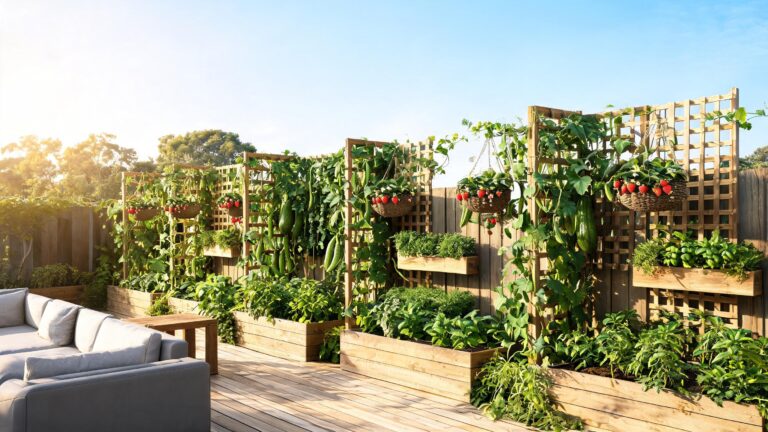
Best Compost for Winter Garden NZ: The Complete Guide
Choosing the best compost for winter garden NZ conditions can make the difference between a soggy, nutrient-starved patch and a thriving bed of brassicas, leafy greens, and root vegetables all season long. Winter in New Zealand brings cold soil temperatures, heavy rain, and slower microbial activity, which means the compost you choose needs to do more than just feed plants—it needs to improve drainage, insulate roots, and hold structure against months of wet weather. Whether you’re gardening in Auckland’s clay-heavy soils or Otago’s frosty ground, getting your compost right now sets the foundation for a strong spring.
The best compost for a New Zealand winter garden is a well-rotted, gypsum-enriched compost blended with organic matter like sheep pellets or blood and bone, dug in at 10–15cm depth to improve drainage and feed the soil through the cold, wet months. Look for composts specifically formulated for winter use, as these typically include added structure-builders to combat waterlogging.
Choose compost with gypsum or added structure amendments to break up clay and improve drainage over winter.
Combine compost with sheep pellets, poultry compost, or blood and bone for a nutrient boost during slow-growing months.
Apply a 12–15cm layer and mix it into the top spade-depth of soil before planting winter vegetables.
Keep compost slightly drier in winter than in summer, since NZ winters already bring plenty of rain.
Top up with fresh compost every 2–3 years to maintain long-term soil health and structure.
Why Compost Matters More in Winter
Winter compost isn’t just about feeding plants—it’s about survival for your soil structure. Cold, wet conditions slow down microbial breakdown, compact soil, and leach nutrients faster than in warmer months, especially in heavy clay areas common across the North Island.
Adding compost before winter plantings improves drainage so roots don’t sit in waterlogged ground, a leading cause of rot in winter brassicas and root crops. Gardeners often notice that beds prepared with compost in autumn hold their structure far better through July and August than those left untreated, resulting in healthier silverbeet, cabbage, and broccoli come spring.
What Makes a Compost “Winter-Ready” in NZ?
A winter-ready compost is a soil amendment blended to counteract cold, saturated soil conditions typical of the New Zealand cool season. It typically includes drainage-boosting ingredients and slow-release nutrients that support root vegetables and leafy greens through reduced daylight and lower soil temperatures.
Key Traits to Look For
Added gypsum – helps break up compacted clay soils and improves winter drainage.
Well-rotted, mature material – fresh, unfinished compost can rob nitrogen from plants during slow decomposition periods.
Balanced organic matter – a mix of manure-based and plant-based material feeds soil microbes even in cold conditions.
Fine, crumbly texture – integrates easily into heavy or wet soils without creating clumps.
Top Compost Types for Winter Gardens in NZ
Compost Type
Best For
Key Benefit
Ideal Application
Gypsum-enriched garden compost
Clay-heavy soils, Auckland & Waikato regions
Improves drainage, breaks up compaction
12–15cm layer, dug into top spade depth
Sheep pellet & compost blend
Vegetable beds, brassicas
Slow-release nitrogen, boosts leafy growth
3 handfuls per square metre, mixed into top 10cm
Homemade garden compost
General winter beds, cost-conscious gardeners
Free, customisable, improves soil biology
Apply as top dressing or dig in before planting
Blood and bone enriched compost
Root vegetables, garlic, onions
Phosphorus boost for root development
Mix in at planting, reapply every few months
Poultry compost
Hungry feeders like broccoli and cauliflower
High nutrient density, fast-acting
Use sparingly, combine with base compost
How to Prepare Your Soil for Winter Planting
Getting your winter vegetable garden ready starts with soil preparation well before the coldest months hit. Follow these steps for the best results.
Step-by-Step Soil Prep
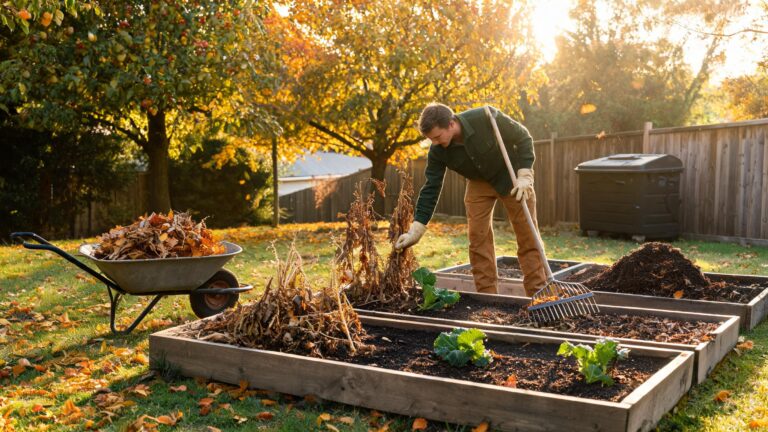
Clear old summer plants and remove weeds from the bed.
Dig the soil over to one spade depth, breaking up any large clumps.
Spread a 12–15cm layer of compost evenly across the bed.
Mix in sheep pellets or blood and bone as an activator and nutrient boost.
Check drainage—raise beds with sleepers or timber if your soil holds water.
Rake level and water in gently before planting seedlings.
This approach ensures adequate drainage to cope with New Zealand’s wet winter months while still delivering the nutrients hungry winter crops like broccoli, cauliflower, and cabbage need.
Sunlight, Soil pH, and Spacing for Winter Crops
Most winter vegetables in NZ, including beetroot, broccoli, brussels sprouts, cabbage, cauliflower, carrots, lettuce, onions, radish, silverbeet, spinach, swede, and turnips, prefer a slightly acidic to neutral soil pH of around 6.0–7.0.
Sunlight: Choose the sunniest available spot—winter days are shorter, so 5–6 hours of direct sun is ideal.
Soil pH: Test and adjust with dolomite lime if soil is too acidic, especially after heavy compost application.
Spacing: Stagger plantings of the same crop by 2–3 weeks to avoid a glut at harvest and maintain even soil nutrient use.
Watering and Fertilising Through Winter
Unlike summer, winter compost should be kept only lightly moist, not saturated, since New Zealand’s cool season already delivers frequent rainfall. Overwatering combined with wet compost increases the risk of root rot in slow-growing winter crops.
Reapply organic activators like horse or cow manure, blood and bone, or sheep pellets every few months to keep compost breakdown active even as cooler temperatures slow microbial activity. This keeps a steady, slow-release nutrient supply reaching plant roots throughout the cold months.
Regional Climate Variations Across NZ
New Zealand’s long, varied geography means winter compost strategy should adjust by region.
Cool regions (Otago, Southland, inland Canterbury): Use well-rotted compost applied earlier in autumn to allow settling before hard frosts, and mulch heavily to insulate roots.
Temperate regions (Wellington, Christchurch, Hawke’s Bay): A standard gypsum-enriched compost with sheep pellets works well; watch for waterlogging after heavy rain events.
Warm regions (Auckland, Northland, Bay of Plenty): Focus on drainage-boosting compost due to higher rainfall and humidity, and continue light successive plantings through winter.
Common Mistakes to Avoid
Using fresh, unfinished compost – this can tie up nitrogen and stunt winter crop growth.
Overwatering compost-amended beds – winter rain plus wet compost is a recipe for root rot.
Skipping drainage improvements – heavy clay soils need gypsum or raised beds, not just compost alone.
Ignoring soil pH – some composts can shift pH over time, affecting nutrient uptake for sensitive crops like garlic.
Not staggering plantings – planting an entire bed at once leads to a harvest glut and wasted produce.
Key Takeaways
Winter compost in NZ should prioritise drainage improvement alongside nutrient content.
Gypsum-enriched compost is ideal for clay-heavy regions like Auckland and Waikato.
Pair compost with organic activators like sheep pellets or blood and bone for steady winter feeding.
Adjust watering and application timing based on your specific NZ climate zone.
Fresh compost every 2–3 years keeps long-term soil health on track.
Frequently Asked Questions
What is the best compost for winter vegetables in NZ?
A gypsum-enriched, well-rotted compost combined with sheep pellets or blood and bone is best for winter vegetables in New Zealand. This blend improves soil drainage while providing slow-release nutrients that support brassicas, leafy greens, and root crops through the cold, wet season.
Can I use homemade compost for my winter garden?
Yes, homemade compost works well for winter gardens as long as it’s fully rotted and dark, crumbly in texture. Ensure it includes a mix of green and brown materials, and consider boosting it with sheep pellets or blood and bone for extra winter nutrients.
How much compost should I add before planting winter crops?
Apply a 12–15cm layer of compost across your bed and dig it into the top spade depth of existing soil. This ensures adequate nutrient enrichment and drainage improvement, especially important in heavy or clay-based New Zealand soils.
Should I water compost differently in winter than summer?
Yes, compost should be kept only lightly moist in winter, since New Zealand’s cool season already brings frequent rainfall. Overwatering combined with saturated compost increases the risk of root rot in slow-growing winter vegetables.
Is gypsum necessary in winter compost?
Gypsum is highly beneficial, especially for clay-heavy soils common in regions like Auckland and Waikato. It helps break up compaction and improves drainage, which is critical during New Zealand’s wet winter months.
How often should I add compost to my garden beds?
Renew garden beds with fresh compost every 2–3 years for long-term soil health, while topping up with lighter compost or organic activators like blood and bone every few months during active growing seasons.
What winter vegetables grow best in compost-enriched NZ soil?
Beetroot, broccoli, brussels sprouts, cabbage, cauliflower, carrots, lettuce, onions, radish, silverbeet, spinach, swede, and turnips all thrive in compost-enriched soil during New Zealand’s winter growing season.
Conclusion: Building a Resilient Winter Garden with Compost
Selecting the best compost for winter garden NZ conditions comes down to prioritising drainage, structure, and steady nutrition over the cold, wet months ahead. By combining gypsum-enriched compost with organic activators like sheep pellets or blood and bone, and following region-specific adjustments for your climate zone, you’ll set your winter vegetables up for a strong, healthy harvest. Start prepping your beds now, and your soil will reward you with vibrant brassicas, leafy greens, and root crops right through to spring.
We use cookies to improve your experience, analyze traffic, and display personalized ads.
By clicking "Accept", you consent to the use of cookies in accordance with our Privacy Policy.