Winter Gardening Guide: How to Grow, Protect and Plan a Thriving Garden
Winter doesn’t mean your garden has to hibernate. With the right winter gardening techniques, New Zealand gardeners from Auckland to Invercargill can keep beds productive, protect tender plants from frost, and set the stage for a spectacular spring. This winter gardening guide covers everything you need — from soil prep and cold-hardy crops to frost protection and common mistakes — so you can garden confidently right through the cold months.
Winter gardening focuses on protecting existing plants from frost, growing cold-tolerant crops like brassicas and leafy greens, and preparing soil for spring. Success comes down to good drainage, mulching, reduced watering, and timely frost protection.
Plant hardy vegetables such as broccoli, cabbage, silverbeet, spinach and broad beans
Improve soil drainage before the wet season sets in
Mulch garden beds to insulate roots and retain warmth
Protect frost-tender plants with frost cloth or by moving containers under cover
Reduce watering frequency but water in the morning, not overnight
Use winter downtime to clean, sharpen and store garden tools
Understanding New Zealand’s Winter Climate
Winter in New Zealand runs from June to August, with conditions varying significantly by region. Coastal and northern areas like Auckland experience mild, wet winters with occasional light frosts, while inland and southern regions (Otago, Canterbury, central North Island) face regular hard frosts and even snow.
Average winter daytime temperatures range from around 12°C to 16°C in the north, dropping to 5°C to 10°C or lower in southern and inland areas, with overnight temperatures frequently near or below 0°C in frost-prone zones. Understanding your local climate zone is the first step to successful winter gardening, as it determines which crops will thrive and how much frost protection your garden needs.
Winter Growing Conditions by New Zealand Region
Region
Typical Winter Temp Range
Frost Risk
Best Approach
Northland, Auckland, Bay of Plenty
10°C to 17°C
Low to occasional light frost
Continue growing most winter veges with minimal cover
Wellington, Manawatu, Taranaki
6°C to 13°C
Moderate
Frost cloth for seedlings, mulch heavily
Canterbury, Otago, inland North Island
-2°C to 10°C
High, hard frosts common
Cloches, cold frames, prioritise hardy crops
Southland, high country
-4°C to 8°C
Very high, possible snow
Grow in containers/greenhouses, heavy mulch and covers
Preparing Your Garden Soil for Winter
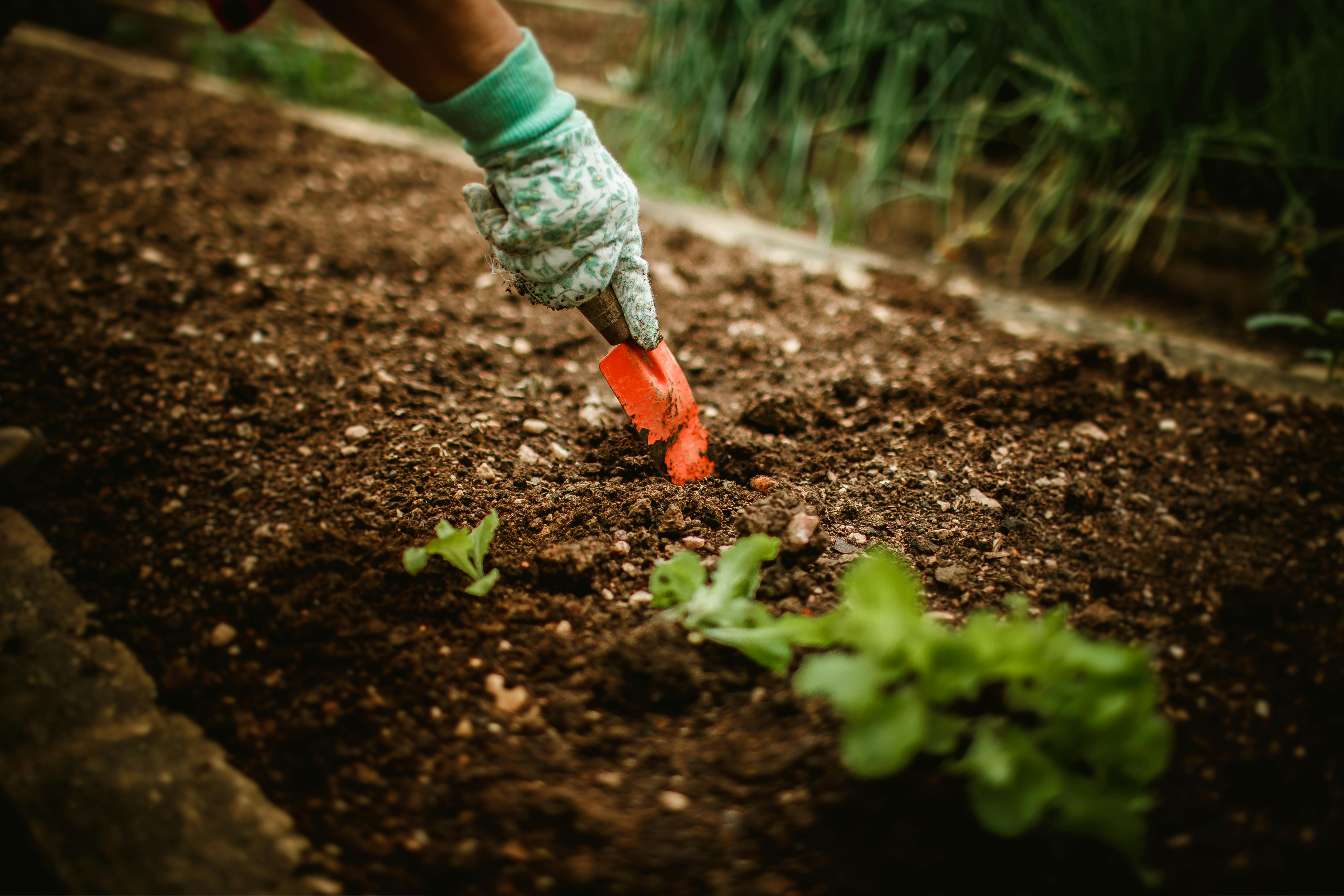
Healthy soil is the foundation of a productive winter garden. Cold, wet conditions can compact soil and drown roots if drainage isn’t sorted out before the rain sets in.
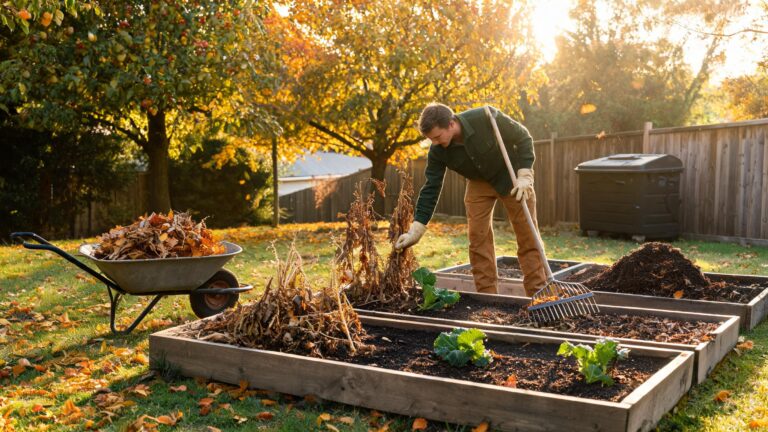
Remove spent summer plants, weeds and debris to prevent pests and disease overwintering
Dig in a 5cm layer of compost or well-rotted manure to boost organic matter
Use a garden fork to aerate compacted soil and improve drainage
Apply gypsum to heavy clay soils to help break them up
Consider raised beds in high-rainfall areas, as they drain more freely than flat ground
Sow a green crop such as lupin, mustard or peas on empty beds to add nitrogen before spring
Gardeners often notice that beds left uncovered over winter become waterlogged and slow to warm in spring, so addressing drainage now pays off later.
What to Plant in a Winter Garden
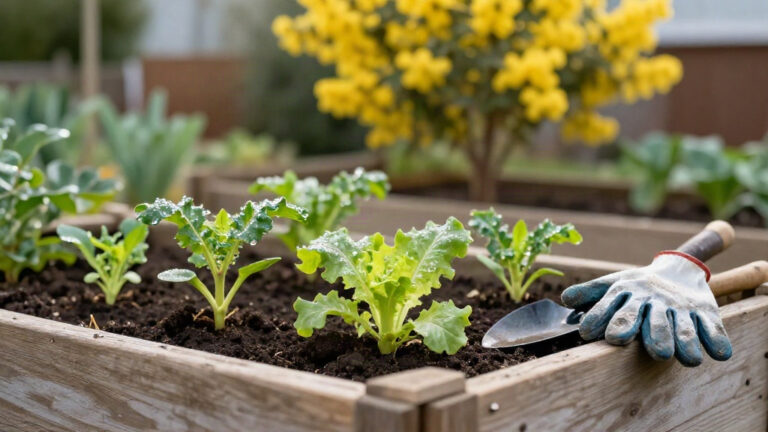
Winter is prime time for cool-season vegetables, hardy herbs and some flowering plants. Choosing seedlings rather than seed is usually smarter in winter, since cooler soil slows germination considerably.
Winter Vegetables
Brassicas: broccoli, cabbage, cauliflower and Brussels sprouts thrive in cold conditions
Leafy greens: silverbeet, spinach, kale, pak choi and miner’s lettuce
Root vegetables: carrots, beetroot, parsnips and celeriac, which actually sweeten in flavour when left in cold ground
Alliums: onions, garlic and leeks planted now for a summer harvest
Legumes: broad beans, a reliable winter crop that also fixes nitrogen in the soil
Quick crops: radish, rocket, mizuna and corn salad for fast winter harvests
Winter Herbs
Parsley, thyme, mint and coriander are among the hardiest herbs for cold weather, continuing to grow steadily even as other plants slow down.
Winter Flowers
Pansies, polyanthus, primula and forget-me-nots add colour to an otherwise dormant winter garden, brightening beds and containers through the coldest months.
Frost Protection Strategies That Work
Frost is the biggest threat to a winter garden, capable of killing tender seedlings overnight. A layered approach to frost protection keeps plants safe without excessive effort.
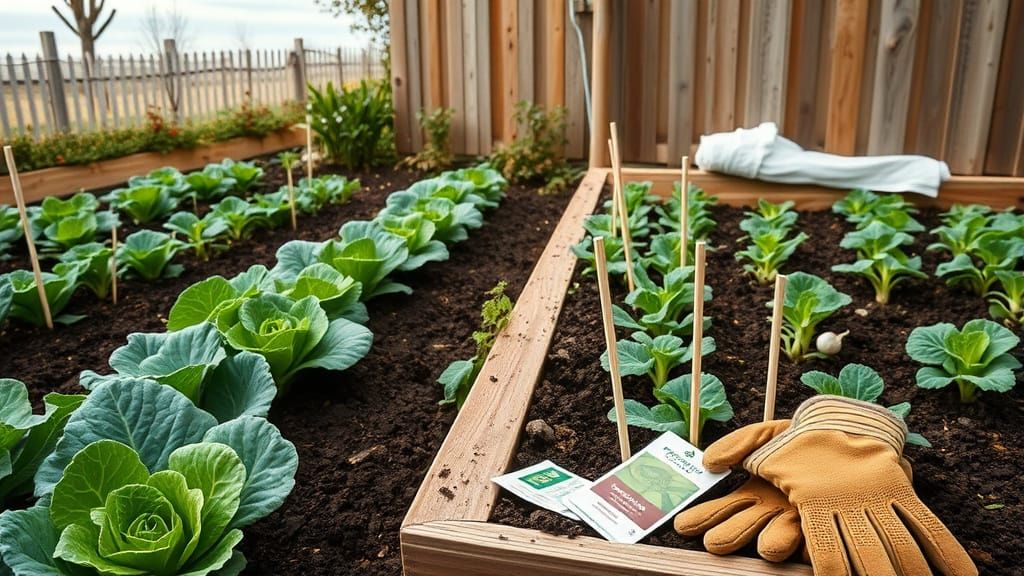
Cover tender plants with frost cloth in the evening and remove it the next morning once temperatures rise
Ensure frost cloth doesn’t touch foliage directly — use stakes or a simple frame to create an air gap
Move potted plants to a sheltered spot such as a porch, patio or against the house
Water plants in the early afternoon before a predicted frost, as moist soil holds warmth better than dry soil
Mulch thickly around root zones with bark, pea straw or compost to insulate against cold
For persistent frost-prone areas, consider a cold frame or cloche over vulnerable seedlings
A DIY option using old sheets, towels or even cardboard boxes works in a pinch for smaller plants when store-bought covers aren’t on hand.
Watering and Feeding in Winter
Plants need far less water in winter, but getting the timing right matters more than the volume. Overwatering combined with cold, wet soil is one of the fastest ways to trigger root rot.
Water in the morning so soil doesn’t stay saturated overnight, which encourages fungal problems
Take the chill off tap water for potted plants by adding a small amount of hot water — just enough to make it tepid, not warm
Feed plants with a high-potash fertiliser such as a fish and seaweed concentrate to build cold resilience
Apply a liquid seaweed tonic to toughen cell walls in existing plants and help them cope with temperature swings
Reduce mulch thickness slightly if the soil stays consistently cold and damp, allowing some sun to warm it
Common Winter Gardening Mistakes
Mistakes to Avoid This Winter
Mistake
Why It’s a Problem
Fix
Overwatering
Cold, soggy soil causes root rot
Water less often, always in the morning
Leaving mulch too thick
Keeps soil cold and damp, delaying spring warm-up
Thin mulch layers in late winter
Sowing seed directly in cold soil
Germination is slow or fails entirely
Use seedlings or start seed indoors/in trays
Ignoring drainage
Waterlogging drowns roots
Aerate soil, use raised beds, add gypsum to clay
Skipping tool maintenance
Rusty, blunt tools damage plants and slow work
Clean, sharpen and oil tools during the quiet season
Winter Pest and Disease Watch
Cooler, damper conditions bring their own pest pressures, even though many summer pests disappear. Slugs and snails thrive in wet winter soil, so regular baiting with a pet-safe product protects young seedlings.
The white butterfly and diamond-back moth remain active on brassicas through much of winter in milder regions, so dusting cauliflower, broccoli and Brussels sprouts with derris dust offers effective protection. Companion planting — such as pairing dill and rosemary with broccoli, or garlic near roses — also helps naturally deter common pests.
Winter To-Do List: Beyond the Vegetable Patch
Prune fruit trees and roses while they’re dormant to shape growth for spring
Deadhead and trim perennials, removing dead or damaged wood
Clear fallen leaves and add them to the compost along with kitchen scraps
Empty and store unused containers upside down to prevent waterlogging and cracking
Keep compost piles active by maintaining temperatures above freezing and turning regularly
Plan and order seeds for spring planting while the garden is quieter
Frequently Asked Questions
Can I still grow vegetables in winter in New Zealand?
Yes, winter is an excellent time for cool-season crops such as broccoli, cabbage, silverbeet, spinach, broad beans and root vegetables. Choose seedlings over seed for faster, more reliable establishment, and provide frost cloth in colder regions.
How often should I water my garden in winter?
Winter plants need significantly less water than in summer, often just once every week or two depending on rainfall. Water in the morning rather than evening to avoid soil staying wet overnight, which raises the risk of root rot and fungal disease.
What is the best mulch for winter gardens?
Pea straw, bark and compost are all excellent choices for winter mulching, insulating roots and suppressing weeds. Apply mulch after clearing debris, but avoid overly thick layers that trap cold, damp conditions against the soil.
Do I need frost cloth for every plant?
Not every plant needs covering — hardy vegetables and established shrubs generally tolerate light frost fine. Reserve frost cloth for tender seedlings, citrus, and frost-sensitive ornamentals, removing the cloth each morning once temperatures rise.
Is it too late to plant winter vegetables in July?
No, July is still a good window for planting leafy greens, onions and brassica seedlings in most regions. Growth will be slower than in autumn due to cooler soil temperatures, so extend your expected harvest timeline accordingly.
Why are my winter vegetables growing so slowly?
Slow growth in winter is normal and expected, as lower light levels and cooler soil temperatures naturally reduce plant metabolism. Ensure plants get maximum available sunlight, avoid overwatering, and be patient — harvest times are typically longer than in warmer seasons.
Should I fertilise my garden in winter?
Light feeding with a high-potash fertiliser helps build plant resilience against cold rather than pushing rapid leafy growth. A liquid seaweed tonic is also useful for toughening cell walls and helping plants cope with temperature fluctuations.
Growing Through Winter with Confidence
A well-planned winter gardening guide turns the cold months from a dormant gap into a productive, low-maintenance growing season. Focus on drainage, mulch, frost protection and the right cold-hardy plant choices, and your garden will reward you with fresh winter harvests and a head start on spring. Get your soil prepped, your seedlings in, and your frost cloth ready — winter gardening success is well within reach.
We use cookies to improve your experience, analyze traffic, and display personalized ads.
By clicking "Accept", you consent to the use of cookies in accordance with our Privacy Policy.