How to Grow Celery in New Zealand: A Complete Garden Guide for Crisp, Sweet Stalks
If you want to master how to grow celery in New Zealand, the secret is simple: rich soil, steady moisture, and cool growing conditions. Celery rewards patience with crisp, aromatic stalks that taste far better than shop-bought bunches, especially when you keep the plants well fed and never let them dry out.
Celery is a cool-season vegetable grown for its thick, edible leaf stalks, and it performs best when it has full sun, fertile soil, and reliable watering. In New Zealand, it can be grown in most regions, but it is happiest in mild weather and often struggles if exposed to hard frost or intense summer heat.
For home gardeners, celery is one of the most rewarding “cut and come again” crops because you can harvest outer stalks for weeks while the plant keeps producing. It also fits well into kitchen gardens, raised beds, and larger containers when the soil is kept consistently moist and nutrient-rich.
Best growing conditions for celery
Celery prefers a site with at least 6 hours of sun daily, although in hotter parts of the country light afternoon shade can help reduce stress. It grows best in fertile, moisture-retentive but free-draining soil with plenty of organic matter added before planting.
A soil pH of about 6.0 to 7.0 is ideal. Celery is a heavy feeder, so it responds well to compost, well-rotted manure, sheep pellets, or a balanced vegetable fertiliser worked into the soil before planting.
Growing factor
Ideal range
Notes
Sunlight
Full sun
Light shade in very hot areas can help in summer
Soil pH
6.0 to 7.0
Neutral to slightly acidic soils work well
Soil type
Moist, fertile, free-draining
Enrich with compost before planting
Spacing
20 to 30 cm apart
Rows 30 to 45 cm apart
Watering
Consistent moisture
Do not let soil dry out
When to plant celery
The best time to plant celery in New Zealand depends on your climate. In cooler and temperate areas, plant in spring after the risk of severe frost has passed, then again in late summer for an autumn crop. In milder frost-free places, celery can be planted over a longer window, but it still performs best when the weather is cool rather than hot.
Celery can be grown from seed, but seedlings are usually easier for beginners because celery seed germinates slowly and young plants dislike root disturbance. If you are starting from seed, sow early enough to have sturdy seedlings ready for transplanting before the strongest heat arrives.
NZ climate type
Best planting window
Notes
Cooler regions
Spring to early summer
Use seedlings for a faster start
Temperate regions
Spring and late summer
Avoid the hottest part of summer
Warm northern areas
Autumn to winter
Cooler months give the best texture
Frost-prone gardens
After frost risk has eased
Protect young plants from cold snaps
How to grow celery from seed
Celery seed is famously slow and can take a while to germinate, so don’t panic if nothing appears quickly. Sow the seed on the surface of moist seed-raising mix and barely cover it, since celery seed needs light and steady moisture to germinate well.
Keep the seed trays warm and evenly moist, and avoid letting the mix dry out. Once seedlings have developed several true leaves, prick them out carefully into individual pots or cells, handling the roots as gently as possible.
Seed sowing steps
Fill trays or punnets with quality seed-raising mix.
Scatter celery seed thinly across the surface.
Cover lightly with a dusting of mix or vermiculite.
Water with a gentle spray so the seed does not wash away.
Keep the tray in a warm, bright position.
Transplant seedlings when they are sturdy enough to handle.
How to plant celery seedlings
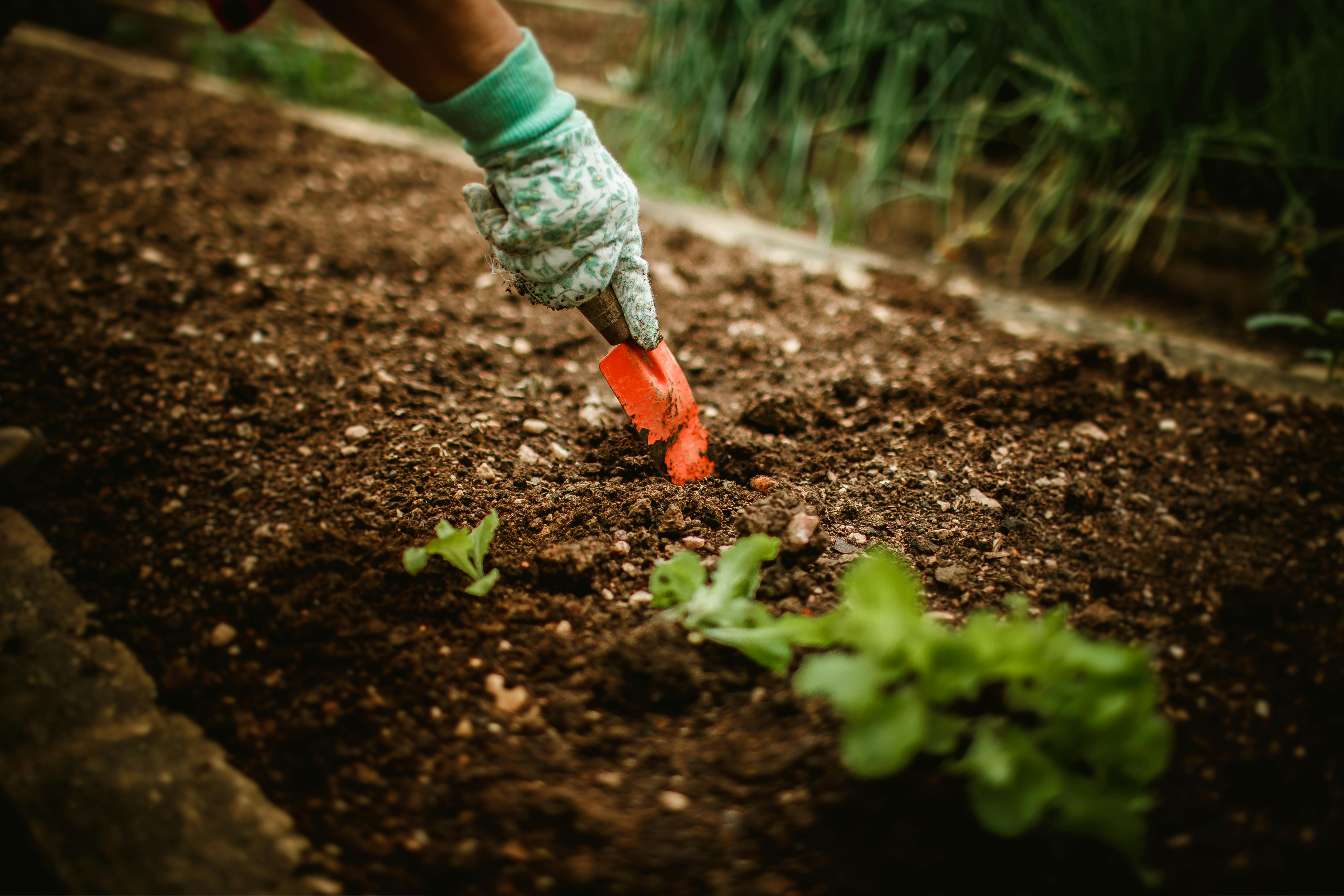
Celery seedlings should be planted into deeply prepared soil that has already been enriched with compost or a premium vegetable mix. Water the seedlings well before planting, then set them into the garden at the same depth they were growing in the tray.
Space plants 20 to 30 cm apart to allow stems room to bulk up while still keeping the row dense enough to help shade the soil and hold in moisture. Water the planting hole before and after planting so the roots settle in without stress.
Planting checklist
Choose a bright site with fertile soil.
Work in compost and a vegetable fertiliser before planting.
Space plants evenly so air can move around the foliage.
Mulch after planting to help retain moisture.
Keep watering consistent from day one.
Growing celery in pots and raised beds
Celery grows well in containers if the pot is large enough and the mix stays moist. Choose a deep container with excellent drainage, then fill it with a high-quality vegetable mix enriched with compost and a slow-release fertiliser.
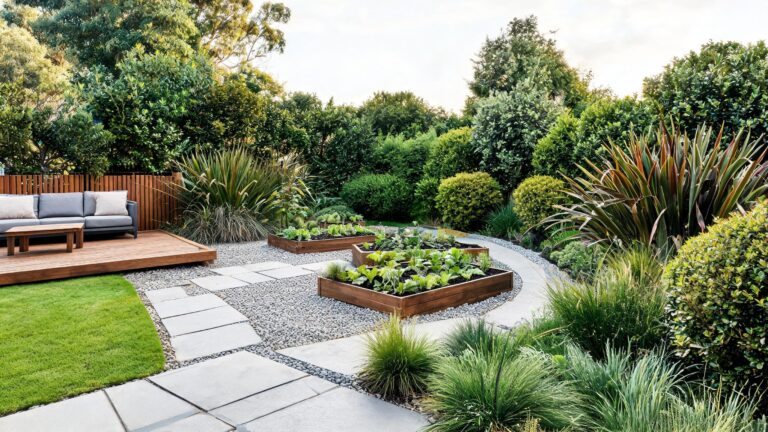
Raised beds are also a great option because they warm up quickly in spring and can be topped up with fertile compost. Just be aware that celery in raised beds or pots may need more frequent watering than plants in the ground, especially during windy or hot weather.
Watering celery correctly
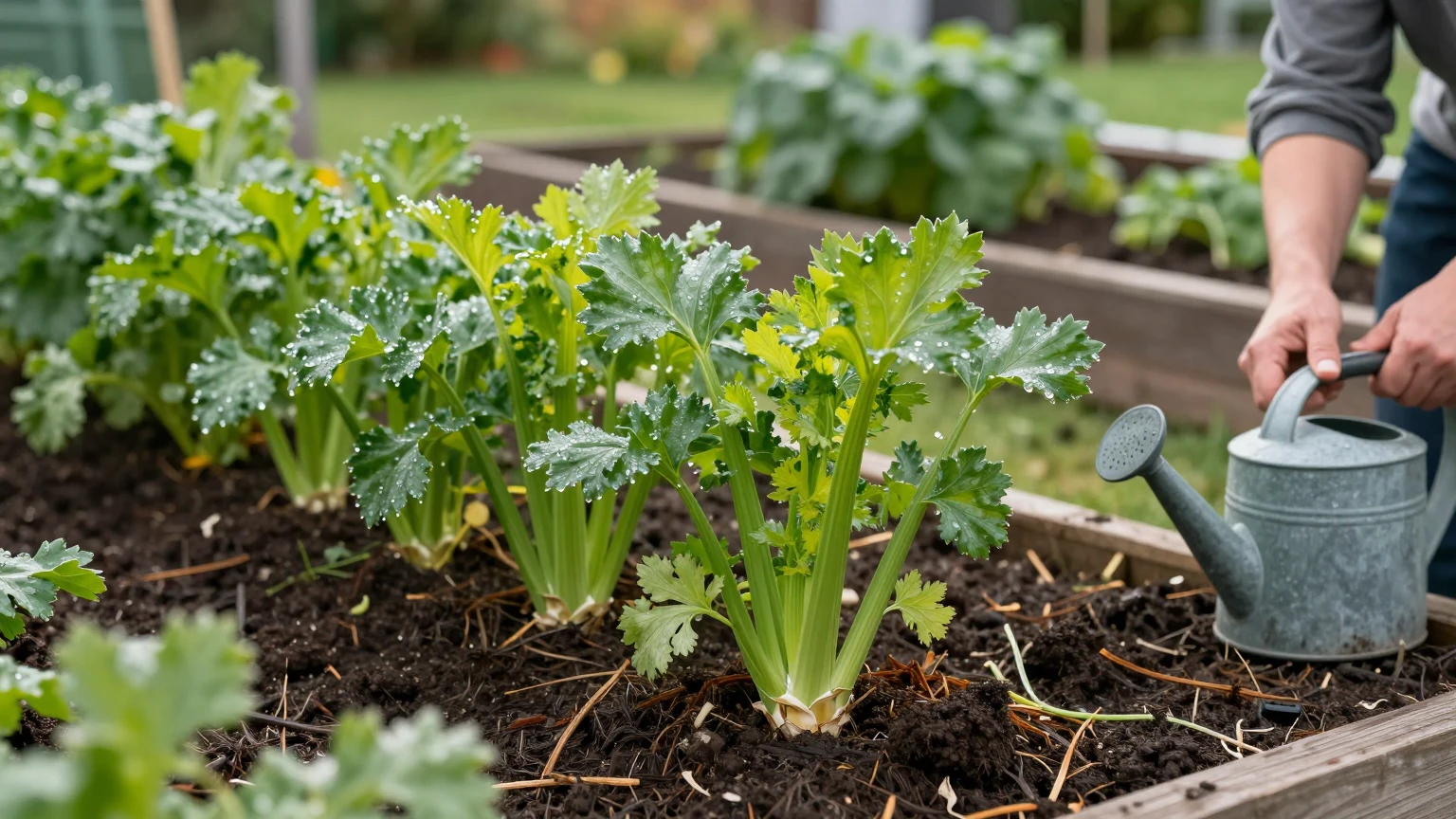
Watering is the make-or-break part of celery growing. If celery dries out, the stalks can become stringy, tough, and bitter, so the goal is even moisture rather than occasional deep soakings followed by dry spells.
Mulch around the base of the plants with straw, compost, or leaf mulch to slow evaporation. In hot, dry weather, check the soil daily and water whenever the top layer begins to lose moisture.
Watering tips
Keep the soil evenly moist at all times.
Water early in the day if possible.
Mulch to reduce stress and conserve moisture.
Avoid overhead watering late in the evening if disease pressure is high.
Feeding celery for strong stalks
Celery is a hungry crop and needs regular feeding to stay vigorous. Work a general vegetable fertiliser or organic soil builder into the bed before planting, then follow up with liquid feeding during active growth if the plants start to look pale or slow.
A nitrogen-rich feed can help build leafy growth early on, but don’t overdo it at the expense of stalk quality. The best results come from steady nutrition, good moisture, and soil that contains plenty of organic matter from the start.
Growth stage
Feeding approach
What to watch for
Before planting
Compost plus vegetable fertiliser
Dark, crumbly soil with good moisture retention
2 to 3 weeks after planting
Light liquid feed if needed
Fresh green growth and upright plants
Mid-season
Repeat liquid feed every 2 to 4 weeks
Consistent stalk thickening
Late season
Reduce feeding as harvest begins
Healthy, usable stalks with good flavour
Pruning and maintenance
Celery does not need much pruning, but it does benefit from regular attention. Remove damaged outer leaves, keep weeds down, and check that mulch has not buried the crown of the plant.
Some gardeners blanch celery for a paler colour and milder flavour by excluding light from the stalks for a few weeks before harvest. This is optional, but if you choose to blanch, use newspaper, cardboard, or a similar material and leave the growing tip exposed.
Common celery problems
Celery problems usually come from stress, especially irregular watering, low fertility, or pest pressure. If the soil dries out too much, stalks may become fibrous and the flavour can turn harsh.
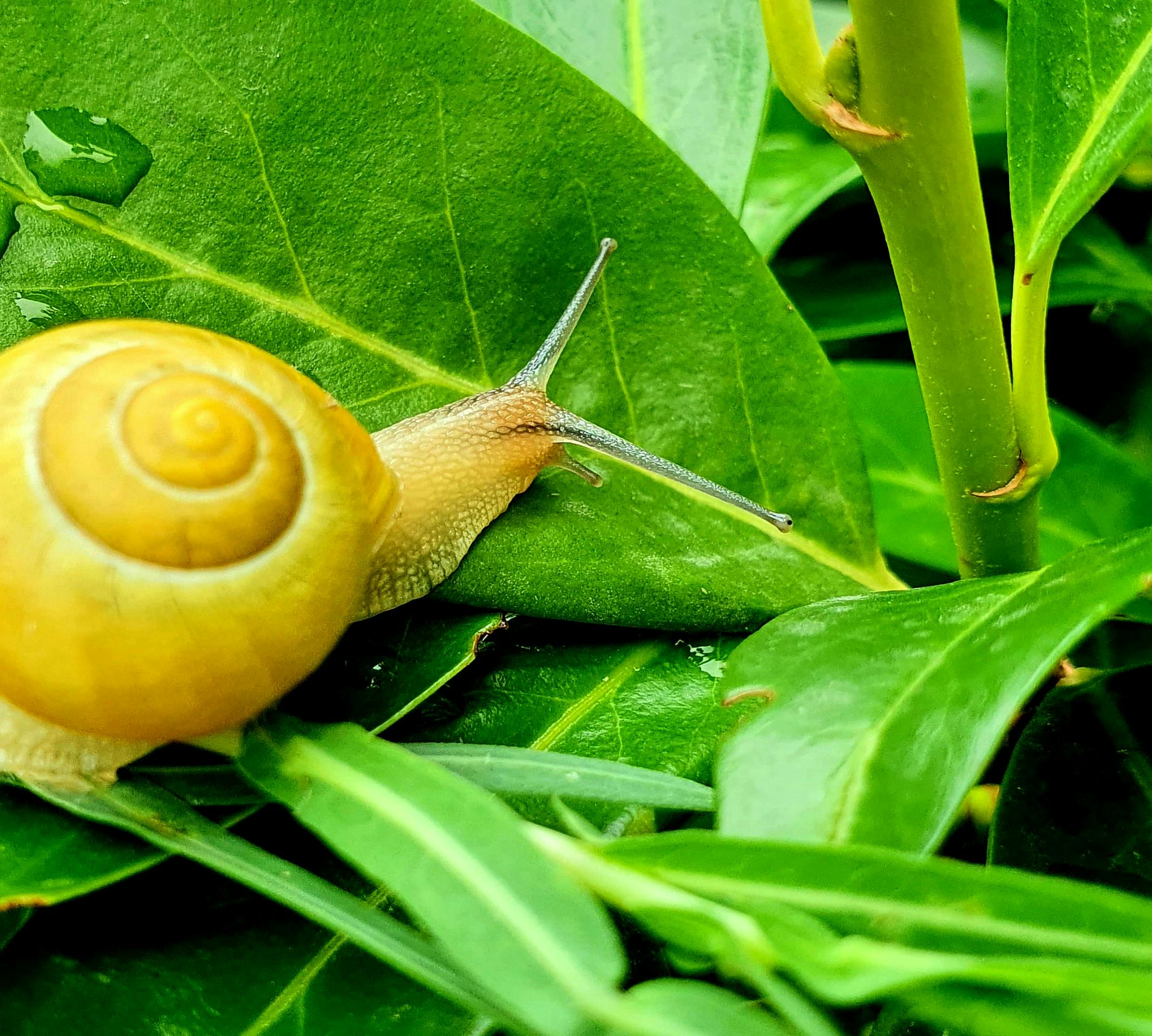
Aphids, slugs, snails, leaf spots, and poor growth are the most common issues to watch for. Good soil preparation, spacing, and crop hygiene prevent many of these problems before they start.
Problem
Likely cause
What to do
Stringy stalks
Water stress or poor nutrition
Water more consistently and feed regularly
Yellowing leaves
Nutrient shortage or root stress
Improve feeding and check drainage
Weak growth
Cold soil or overcrowding
Thin plants and wait for warmer conditions
Chewed leaves
Slugs or snails
Use traps, hand-pick pests, and reduce shelter
Distorted new growth
Aphids
Wash off pests or use an appropriate control
Harvesting celery
Celery is usually ready to harvest about 14 to 20 weeks after transplanting, depending on variety, weather, and growing conditions. You can harvest the whole plant at once, or pick outer stalks as needed for a longer picking period.
For the best flavour, harvest in the cool of the morning and keep the crop well watered right up to picking time. If you want a milder, lighter-coloured celery, blanch the stalks before harvest, then cut them when they are tender and ready.
How to harvest
Choose a mature plant with thick, well-filled stalks.
Use a clean, sharp knife for whole-plant harvests.
Cut the plant at the base if you want the full bunch.
Or pull outer stalks from the outside for ongoing picking.
Rinse and chill the stalks quickly after harvest.
Expected yield
A well-grown celery plant can provide a useful supply of stalks over several weeks, especially if you harvest outer stems gradually. In a home garden, a small patch can produce enough for salads, soups, stocks, and regular kitchen use through the cool season.
Yield depends heavily on moisture, fertility, spacing, and variety, so the more consistent the care, the bigger and more tender the harvest will be. In poor or dry soil, celery may still grow, but the stalks are usually less impressive and more fibrous.
Beginner mistakes to avoid
The most common mistake is letting celery dry out even once or twice. Celery has small roots and cannot recover well from stress, so irregular watering quickly shows up in the stalk quality.
Another frequent error is planting in tired, low-fertility soil. Celery is not a crop that likes to “make do”; it performs best when you give it a rich bed, regular mulch, and a feeding program through the season.
Climate tips for New Zealand
In cooler South Island and inland gardens, celery is best grown during milder periods and protected from frost. In warmer northern climates, aim for the cooler months and avoid planting in the heat of summer if you want crisp, sweet stalks.
In coastal and temperate areas, celery often performs best in spring and autumn, when temperatures are moderate and soil moisture is easier to maintain. If your garden is windy, dry, or free-draining, plan on extra mulch and more frequent watering.
How to grow celery successfully
The easiest way to succeed with celery is to think of it as a moisture-loving, high-feed crop rather than a low-maintenance vegetable. Give it fertile soil, regular watering, enough space, and a cool growing window, and it will repay you with fresh, aromatic stalks for the kitchen.
Once you learn how to grow celery well, it becomes one of the most dependable and useful vegetables in the garden. Keep the plants fed and watered, and enjoy the satisfaction of harvesting stalks that are far sweeter and more tender than anything from the shop.
FAQ
How long does celery take to grow?
Celery usually takes about 14 to 20 weeks from transplanting to harvest, though timing depends on the variety and growing conditions. Cooler weather, steady watering, and fertile soil can improve both growth speed and stalk quality.
Can you grow celery from supermarket stalks?
You can regrow the base in water for a novelty crop, but it is not the best way to produce full, sturdy celery plants. For proper harvests, start with seed or seedlings so the plant can develop a full root system.
Why is my celery stringy?
Stringy celery usually means the plant was stressed by heat, dry soil, or poor feeding. Keep the soil evenly moist, mulch well, and make sure the crop gets enough nutrients from the start.
Does celery need full sun?
Yes, celery grows best in full sun, but in very hot areas a little afternoon shade can help prevent stress. The plant still needs plenty of light to make strong stalks and healthy leaf growth.
Can celery grow in pots?
Yes, celery can grow well in pots if the container is deep enough and the potting mix stays moist and fertile. Choose a large pot, feed regularly, and water more often than you would in garden soil.
Should celery be blanched?
Blanching is optional. It produces paler, milder stalks, but many gardeners prefer unblanched celery for stronger flavour and easier growing. If you blanch, do it a few weeks before harvest.
What should I plant near celery?
Celery grows well with plants such as dill and other compatible kitchen-garden companions. Good companions can help use space wisely and may support a healthier planting area when crops are spaced properly.
Conclusion
Learning how to grow celery comes down to four essentials: cool weather, rich soil, steady moisture, and regular feeding. If you get those right, you’ll harvest crisp, fragrant stalks that make every salad, soup, and stir-fry taste better.
Start with strong seedlings, keep the bed mulched, and never let the crop go thirsty, and celery will reward you with one of the most satisfying harvests in the vegetable garden.
We use cookies to improve your experience, analyze traffic, and display personalized ads.
By clicking "Accept", you consent to the use of cookies in accordance with our Privacy Policy.