What to Plant in July: The Ultimate Winter Gardening Guide for Bountiful Spring Harvests
For many gardeners, the depths of winter might seem like a time to hang up the trowel, retreat indoors, and wait for the spring thaw. However, if you are wondering exactly what to plant in July, you are in for a pleasant surprise. July is a pivotal month in the horticultural calendar. While the above-ground growth may appear slow and the landscape looks dormant, the soil is brimming with potential. Preparing and planting right now lays the critical groundwork for an explosive, abundant spring and summer harvest.
Whether you are establishing a new patch of winter hardies, planting dormant bare-root fruit trees, or sowing seeds in a protected greenhouse, your actions this month dictate your success for the rest of the year. In this comprehensive JAXIQ seasonal guide, we will explore exactly which vegetables, fruits, and ornamentals thrive when planted in July, along with the precise soil preparations, climate considerations, and expert techniques required to guarantee vigorous growth.
What to plant in July? In July, you should focus on planting cold-hardy winter vegetables, dormant bare-root fruit trees, and robust winter flowers. The cool temperatures make it the ideal time to establish root systems without the stress of summer heat, ensuring plants are deeply anchored and ready to flush with new growth when spring arrives.
Fruits: Bare-root deciduous fruit trees (apples, plums, peaches), bare-root berries, and strawberry crowns.
Flowers: Bare-root bush and climbing roses, daphne, hellebores, and winter annuals like pansies, violas, and calendula.
Garden Tasks: Start chitting early seed potatoes indoors, prune deciduous trees, and heavily mulch garden beds with premium organic compost to protect against frost.
Understanding Climate Variations for July Planting
Because growing conditions vary drastically depending on your geographical location, what to plant in July will shift based on your specific microclimate. Tailoring your approach to your region’s temperature and frost dates is the hallmark of a master gardener.
Cool Climates (Heavy Frosts and Snow)
In regions experiencing deep frosts and freezing temperatures, outdoor seed sowing is practically impossible. Your focus must be on hardy transplants and dormant plants. Bare-root fruit trees and roses are perfectly suited to these conditions. Broad beans are incredibly resilient and can handle the cold, while garlic thrives on the winter chill to split into distinct cloves. For tender vegetables, rely on greenhouses or cold frames, sowing seeds into trays filled with a high-quality seed raising mix.
Temperate Climates (Moderate Frosts, Cool and Wet)
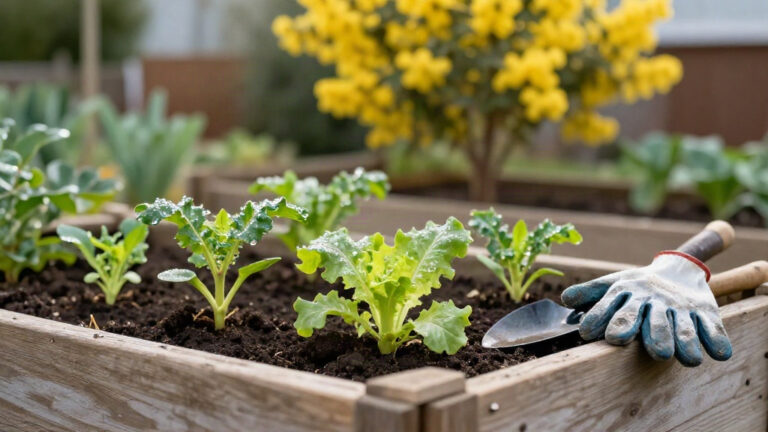
Temperate zones offer a slightly wider planting window. You can successfully plant out seedlings of leafy greens and brassicas. Winter-hardy lettuces, silverbeet, and radishes will germinate if sown directly into well-draining soil. It is critical in temperate, wet areas to elevate your garden beds or use raised planter boxes to prevent waterlogging, which rapidly leads to root rot in cold soils.
If you garden in a warm, frost-free zone, July is incredibly productive. You can directly sow a massive variety of vegetables, including carrots, beetroot, and peas. You can even begin planning your early summer garden. While deciduous bare-root trees can still be planted, you must ensure you select “low-chill” varieties of stone fruit and apples that do not require hundreds of hours of freezing temperatures to set fruit.
Top Vegetables: What to Plant in July for a Continuous Harvest
Filling your vegetable beds in July requires selecting crops that are genetically adapted to cold soil and low light. Here is the definitive list of what you should be putting in the ground right now.
1. Garlic and Shallots
Garlic is an overwintering allium that relies on cold temperatures to initiate bulb division. If you haven’t planted your garlic by the winter solstice, July is your final window.
Soil Preparation: Garlic requires loose, friable soil to expand. Dig in generous amounts of sheep pellets and a balanced organic fertiliser. The ideal pH is between 5.5 and 7.0.
Planting Method: Break the bulb into individual cloves just before planting. Choose only the largest, plumpest cloves from the outer ring. Plant the cloves 2–5 cm deep, spacing them 10–15 cm apart, with the pointy end facing up.
Expert Tip: Gardeners often notice rust developing on garlic in damp spring weather. Counteract this by ensuring wide spacing for maximum airflow and treating the soil with liquid seaweed fertiliser to build the plant’s immune system.
2. The Brassica Family (Broccoli, Cabbage, Cauliflower, Kale)
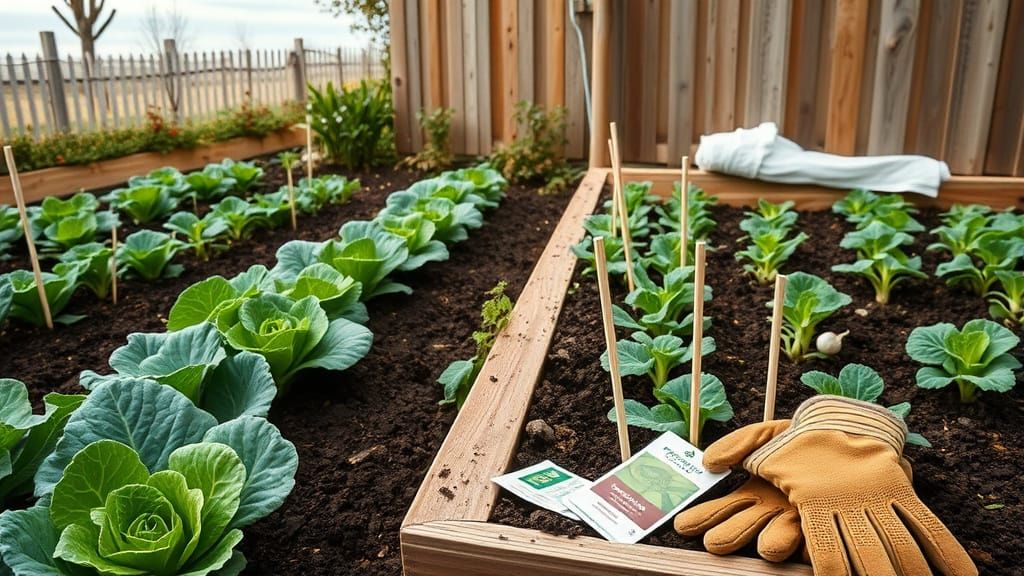
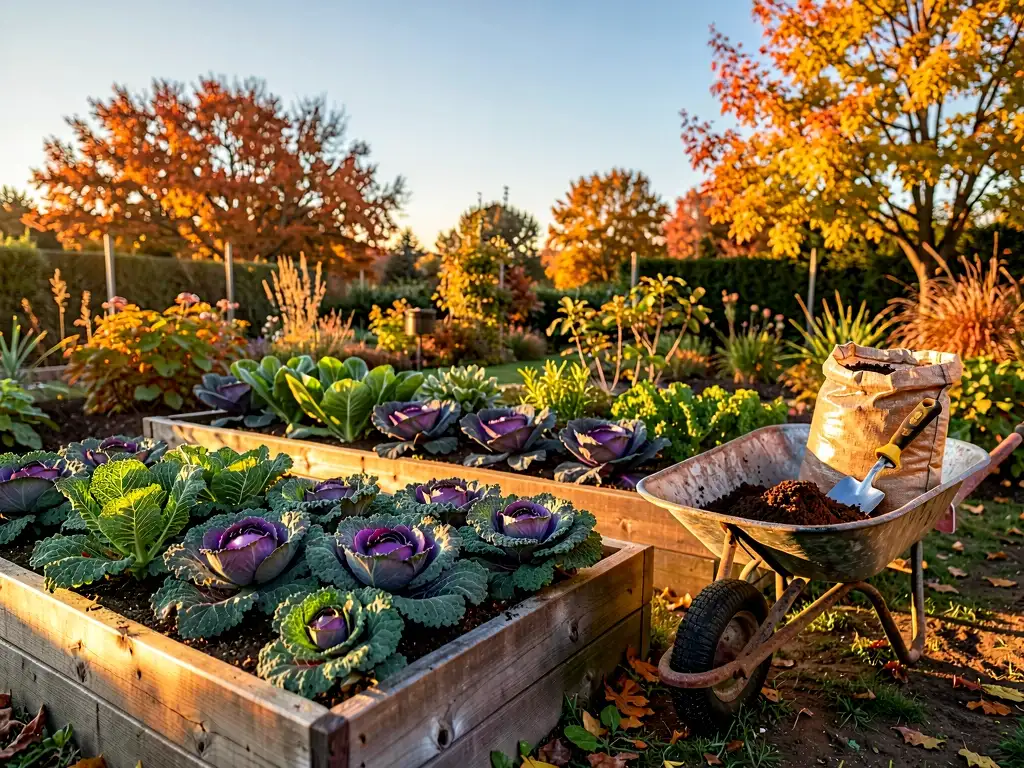
Brassicas are the undisputed kings of the winter vegetable garden. Their thick, waxy leaves resist frost damage, and cool weather actually sweetens the flavor of crops like kale and Brussels sprouts by converting starches into natural sugars.
Planting: In July, it is best to plant established seedlings rather than sowing directly from seed, as soil temperatures are often too low for reliable germination. Space broccoli and cabbage 40–50 cm apart to allow for wide canopy development.
Nutrition: Brassicas are heavy feeders. Prior to planting, incorporate a rich vegetable mix compost. Side-dress with a nitrogen-rich fertiliser a month after planting.
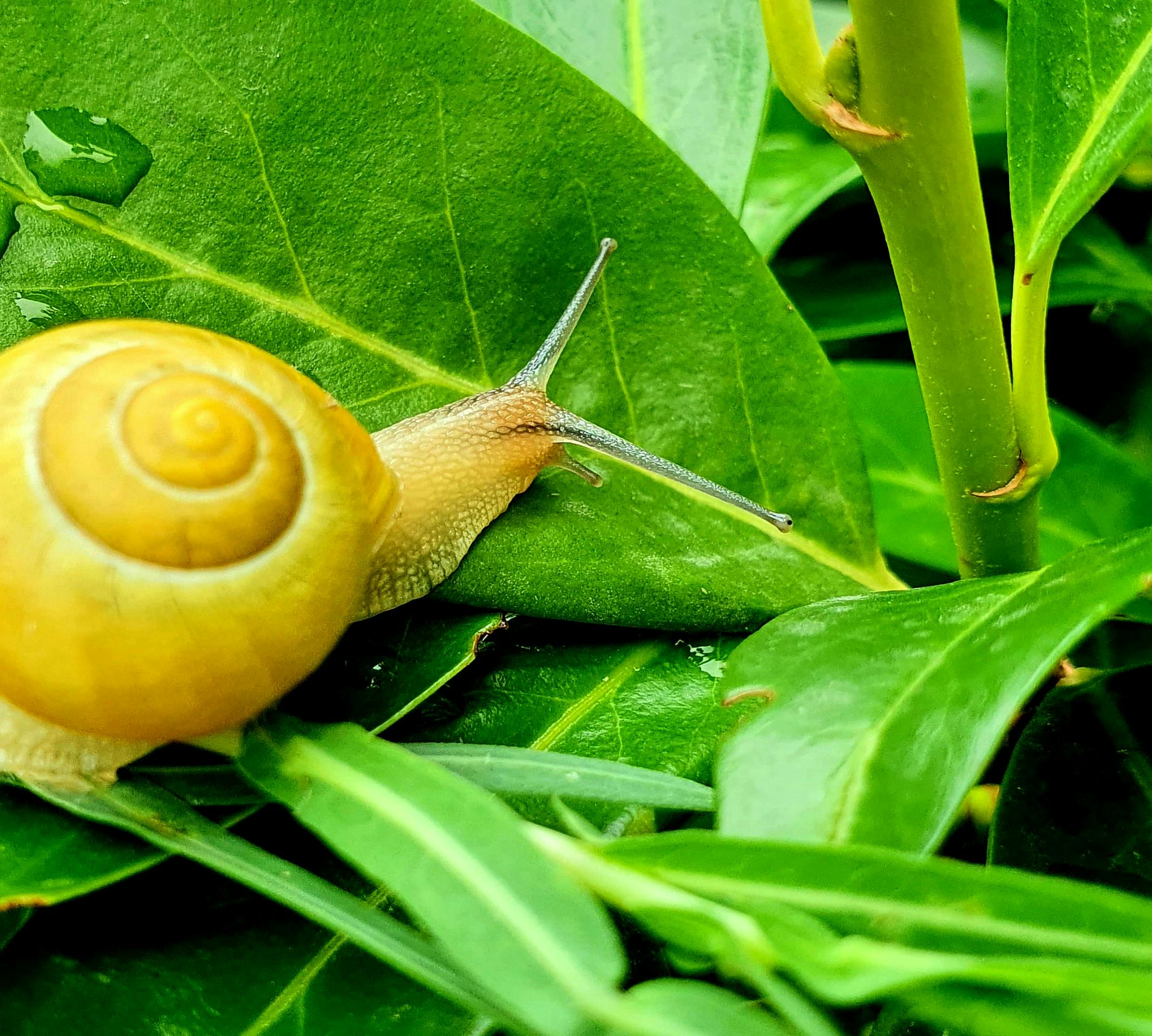
Pest Control: Even in winter, slugs and snails will target tender young brassica leaves. Apply organic slug bait or use beer traps to protect your investment.
3. Broad Beans
Broad beans (fava beans) are unique among legumes because they actively prefer cold weather. They are excellent nitrogen fixers, meaning they draw nitrogen from the atmosphere and store it in their root nodules, improving the soil for subsequent summer crops.
Planting: Sow seeds directly into the soil, approximately 5 cm deep and 15 cm apart.
Support: Broad beans can grow over a metre tall and will become top-heavy once pods develop. Drive sturdy stakes into the ground at the ends of your rows and run twine between them to support the stems against harsh winter winds.
To keep fresh salads on the table through winter, plant cut-and-come-again greens. Spinach, silverbeet (Swiss chard), and specialized winter lettuces (like ‘Winter Density’) are remarkably cold-tolerant.
Planting: Plant seedlings directly into the garden. If sowing seeds, start them indoors in a sunny window or greenhouse.
Care: Keep the soil consistently moist but never waterlogged. A light application of liquid fish fertiliser every three weeks will keep leaves green and lush despite the low sunlight.
Planting Fruit Trees and Berries in Winter
When assessing what to plant in July, fruit should be at the top of your list. July is the prime season for bare-root planting. Bare-root plants are exactly what they sound like: dormant plants dug from the field and sold without soil around their roots. They are significantly cheaper, establish faster, and develop superior root systems compared to potted trees.
Deciduous Fruit Trees (Apples, Plums, Peaches, Pears)
Planting a bare-root fruit tree requires careful site selection and soil preparation.
Site Selection: Choose a location that receives at least 6–8 hours of full sun during the summer. Ensure the soil is free-draining; fruit trees left in winter-logged clay will suffer from phytophthora root rot.
Preparation: Dig a hole twice as wide as the root system, but no deeper. Soaking the root ball in a bucket of water mixed with a seaweed root tonic for 30 minutes prior to planting dramatically reduces transplant shock.
Planting: Create a small mound of soil at the base of the hole. Spread the roots over the mound. Ensure the graft union (the swollen bump at the base of the trunk) sits at least 5 cm above the final soil line. Backfill with a blend of native soil and premium garden mix.
Staking: Drive a stake into the ground on the windward side of the tree to prevent “wind rock,” which tears delicate new feeder roots.
Strawberries and Cane Berries
July is the traditional time to plant strawberry crowns. Strawberries require a period of winter chilling to stimulate the flower buds that will eventually become juicy summer fruit.
Preparation: Strawberries demand slightly acidic soil (pH 5.5–6.5) rich in organic matter. Dig in a dedicated strawberry food prior to planting.
Spacing: Plant crowns 30 cm apart on mounded rows to improve drainage. Ensure the “crown” (the central growing point) sits exactly at the soil surface; planting too deep causes rotting, while planting too shallow leads to desiccation.
Cane Berries: Raspberries, blackberries, and boysenberries should also be planted now. Install a post-and-wire trellis system before planting to support the vigorous canes they will produce in spring.
Flowers and Ornamentals to Plant in July
A thriving garden requires biodiversity. Flowers attract essential early pollinators and provide structural beauty when the rest of the landscape is barren.
Bare-Root Roses
Much like fruit trees, July is the premier month for planting bare-root bush, standard, and climbing roses. Roses are deep-rooted and require a meticulously prepared planting hole. Dig deep and incorporate a rich rose fertiliser and compost. Ensure the bud union is just above the soil level, and prune back any damaged roots before planting.
Winter Bedding Plants and Annuals
To inject immediate color into dreary winter borders or patio pots, rely on cold-hardy annuals.
Pansies and Violas: These cheerful flowers can literally freeze solid and thaw out looking perfectly vibrant.
Calendula and Polyanthus: Excellent for filling gaps in the front of borders.
Hellebores (Winter Roses): These shade-loving perennials flower prolifically from late winter into spring. July is the perfect time to plant them under the canopy of deciduous trees.
Essential July Garden Maintenance and Soil Prep
While planting is a priority, July is equally about maintenance and preparation.
1. Pruning
July is the time for structural pruning. Prune your established apple and pear trees to maintain an open, vase-like shape that allows sunlight and airflow to penetrate the canopy. Prune your established roses, removing the “three D’s”: dead, diseased, and damaged wood. Always cut at a 45-degree angle, approximately 5mm above an outward-facing bud.
2. Chitting Potatoes
While it is too cold to plant potatoes outdoors in most regions, July is the time to start “chitting” them. Place your certified seed potatoes in a cool, light, dry place (like an egg carton on a windowsill). Over the next 4–6 weeks, they will develop sturdy, dark green shoots. This head start ensures rapid growth once planted out in August or September.
3. Weed Control and Mulching
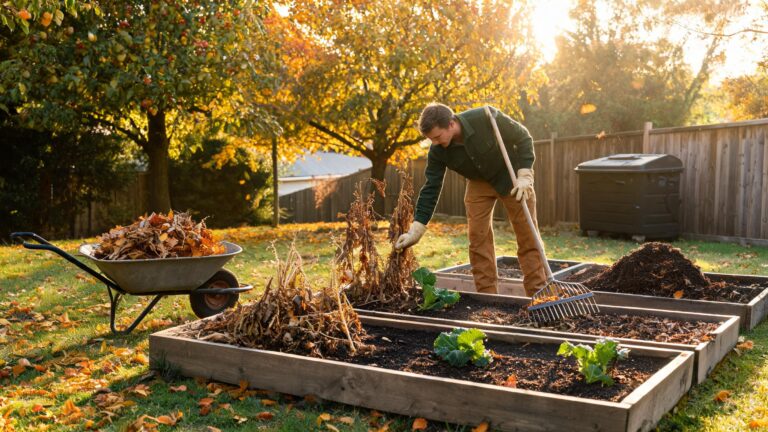
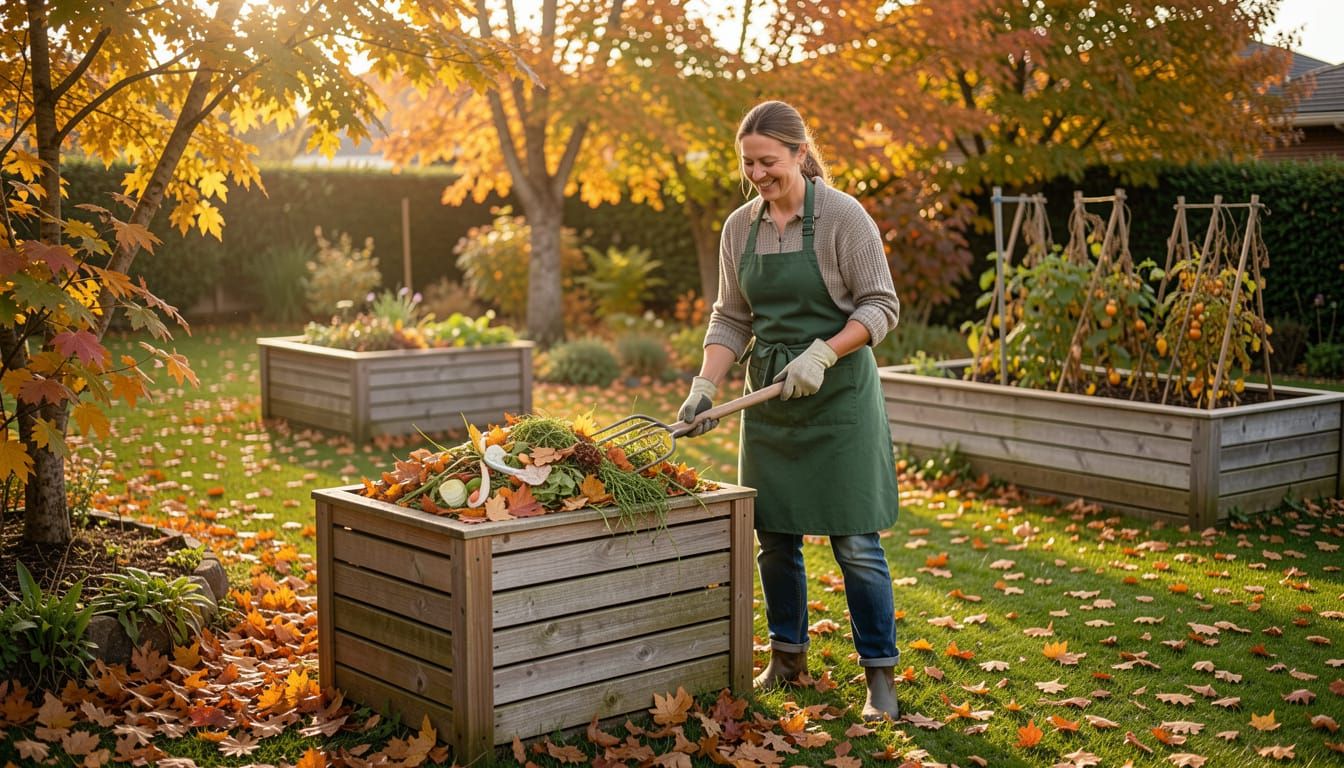
Weeds never truly sleep. Winter annual weeds like chickweed and bittercress will quickly colonize bare soil. Hoe them out on a dry day, and immediately cover the exposed soil with a 5–10 cm layer of organic bark mulch or pea straw. Mulch suppresses weeds, insulates the soil against freezing temperatures, and slowly breaks down to feed the soil microbiome.
July Vegetable Planting Chart
Use this technical reference guide to optimize your July vegetable plantings.
Vegetable Type
Planting Method
Optimal Soil pH
Spacing
Estimated Harvest Time
Garlic
Cloves (pointy end up)
5.5 – 7.0
10 – 15 cm
6 – 8 Months (Mid-Summer)
Broad Beans
Direct Sow Seeds
6.0 – 7.5
15 – 20 cm
12 – 16 Weeks (Late Spring)
Broccoli
Transplant Seedlings
6.0 – 7.0
40 – 50 cm
10 – 14 Weeks
Spinach
Seedlings or Direct Sow
6.0 – 7.5
15 – 20 cm
6 – 8 Weeks (Continuous)
Cabbage
Transplant Seedlings
6.5 – 7.5
45 – 60 cm
12 – 16 Weeks
Common Winter Gardening Mistakes to Avoid
Even experienced gardeners can fall victim to winter gardening pitfalls. Avoid these crucial errors when deciding what to plant in July:
Overwatering: Cold soil retains moisture far longer than warm soil. Overwatering in July displaces oxygen in the soil, suffocating roots and leading to fungal diseases. Only water when the top 3 cm of soil feels entirely dry.
Planting Too Deep: Whether it’s strawberry crowns, bare-root trees, or garlic cloves, planting too deeply in cold, wet soil guarantees rot. Pay strict attention to the soil line and crown height.
Ignoring Frost Protection: If you live in an area prone to severe, unexpected frosts, have frost cloth (horticultural fleece) on standby. Drape it over tender seedlings at night, ensuring the cloth does not touch the foliage directly.
Using Old Seed: Winter germination is already challenging. Do not handicap yourself by using expired seeds. Always invest in fresh, high-viability seeds from a reputable supplier.
Frequently Asked Questions About What to Plant in July
Can I plant summer vegetables like tomatoes or zucchini in July?
In the vast majority of climates, no. Tomatoes, peppers, and zucchinis are warm-season crops that will perish in frosty conditions. Unless you operate a heated, climate-controlled commercial greenhouse, you must wait until late spring (after the last frost) to plant summer fruiting vegetables.
Is July too late to plant garlic?
While the traditional time to plant garlic is the shortest day of the year (late June), early July is absolutely fine in most regions. In fact, in very cold areas, planting in July avoids having the emergent shoots destroyed by the deepest winter freezes. Ensure you plant immediately to give the bulbs enough time to mature by mid-summer.
Why are my bare-root fruit trees not showing any leaves?
Bare-root trees planted in July are entirely dormant. They are conserving their energy and slowly establishing microscopic feeder roots beneath the soil. You will not see leafy growth until the soil temperatures rise significantly in spring. Be patient, do not overwater them, and wait for the spring bud burst.
How do I protect my newly planted seedlings from winter rain?
Heavy winter downpours can wash away delicate seedlings and compact the soil. Ensure your beds are raised to promote rapid drainage. For vulnerable seedlings, you can construct a temporary cloche using hoops and clear greenhouse plastic to deflect the heavy rain while still allowing sunlight to penetrate.
Should I fertilise my garden in July?
Heavy granular fertilising is generally ineffective in July because low soil temperatures cause nutrient lockout, and dormant plants are not actively pulling nutrients. Instead, focus on soil conditioning. Apply compost, well-rotted manure, and liquid seaweed tonics to build soil health, reserving strong synthetic nitrogen fertilisers for the spring growth flush.
Can I prune evergreen trees in July?
July is primarily for pruning deciduous trees (trees that lose their leaves). Pruning evergreens in mid-winter can expose the inner canopy to severe frost damage. It is generally safer to wait until late winter or early spring just before new growth begins to prune your evergreens and hedges.
Conclusion: Maximise Your Harvest by Knowing What to Plant in July
Understanding exactly what to plant in July transforms the quietest month of the year into a period of massive horticultural potential. By focusing your efforts on establishing bare-root fruit trees and roses, sowing cold-hardy brassicas and root crops, and meticulously preparing your soil with rich organic matter, you set the stage for an unparalleled spring and summer harvest. Don’t let the cold weather keep you indoors—grab your spade, secure your winter transplants, and start building the foundation of your best garden yet.
We use cookies to improve your experience, analyze traffic, and display personalized ads.
By clicking "Accept", you consent to the use of cookies in accordance with our Privacy Policy.