Keyhole Gardens: A Comprehensive Guide to Year-Round Vegetable Production
Imagine a garden so efficient, so self-sustaining, that it not only feeds you year-round but also becomes a captivating focal point of your homestead. That’s the magic of keyhole gardens. These innovative structures, born from necessity in challenging environments, are now capturing the imagination of gardeners worldwide, including those who dream of blending sustainable living with their travel and vacation experiences. This comprehensive guide will delve into the intricacies of keyhole gardens, showing you how to unlock their potential for bountiful harvests and a touch of eco-friendly elegance.
Keyhole gardens are raised garden beds shaped like a circle with a wedge cut out, resembling a keyhole when viewed from above. This unique design isn’t just aesthetically pleasing; it’s ingeniously functional. The “keyhole” allows easy access to the center of the bed, where a composting basket is located. This central basket is the heart of the system, continuously feeding the surrounding plants with nutrients as organic matter decomposes.
These gardens are particularly beneficial in areas with poor soil, limited water availability, or where physical limitations make traditional gardening difficult. But their efficiency and productivity make them a valuable asset to any gardener, anywhere. Think of them as a micro-ecosystem, where waste becomes food, and effort is minimized while yields are maximized. If you’re someone who loves to explore sustainable practices while traveling or enjoys eco-tourism, keyhole gardens are a concept that aligns perfectly with those values.
The Origins and Global Impact of Keyhole Gardens
Keyhole gardens have a fascinating history. They originated in Lesotho, a small mountainous kingdom in Southern Africa, where they were developed to combat food insecurity and poor soil conditions. Organizations like Catholic Relief Services (CRS) played a crucial role in promoting and refining these techniques, adapting them to various local conditions. The ingenuity of keyhole gardens quickly spread, proving to be a lifeline for communities facing numerous agricultural challenges. Their success stories are a testament to the power of sustainable innovation, making them a point of interest for those interested in the social and environmental impact of tourism and travel.
Why Choose Keyhole Gardens?
Keyhole gardens offer a plethora of benefits that make them a popular choice for homesteaders and gardeners alike. Here are some compelling reasons to consider incorporating them into your gardening practices:
Soil Enrichment: The central compost basket continuously enriches the soil, reducing the need for external fertilizers. This creates a fertile environment for plants to thrive.
Moisture Retention: The raised bed design and the organic matter within it help retain moisture, reducing the need for frequent watering. This is especially crucial in arid or semi-arid regions.
Accessibility: The keyhole design allows easy access to all parts of the garden, making it ideal for the elderly, individuals with disabilities, or anyone who prefers to minimize bending and stretching.
Reduced Dependence on External Inputs: Keyhole gardens rely heavily on recycling organic matter within the system, minimizing the need for external inputs like fertilizers and excessive watering.
Year-Round Vegetable Production: With proper planning and techniques, keyhole gardens can produce vegetables year-round, ensuring a continuous supply of fresh produce.
These benefits align perfectly with the growing trend of sustainable tourism and eco-friendly travel. Imagine visiting a community that utilizes keyhole gardens to achieve food security and environmental sustainability. It’s a powerful testament to the ingenuity and resilience of local cultures.
Constructing Your Own Keyhole Garden
Building a keyhole garden is a rewarding project that can be completed with relatively simple materials and tools. Here’s a step-by-step guide to help you get started:
Materials You’ll Need
Stones or Bricks: For building the circular walls of the garden bed.
Sticks or Wire Mesh: To create the central compost basket.
Organic Matter: Such as kitchen scraps, leaves, grass clippings, and manure, for composting.
Soil: A mixture of topsoil, compost, and other organic matter to fill the garden bed.
Tools: Including a shovel, rake, and measuring tape.
Step-by-Step Construction
Choose a Location: Select a sunny spot with good drainage. The garden should be easily accessible for maintenance and harvesting.
Lay the Foundation: Mark out a circle with a diameter of about 6 feet. Clear the area and ensure the ground is level.
Build the Walls: Construct the circular walls using stones or bricks. The walls should be about 3 to 4 feet high. Create the keyhole opening by leaving a gap of about 1 foot wide on one side.
Create the Compost Basket: In the center of the circle, build a cylindrical basket using sticks or wire mesh. This basket should be about 1 to 2 feet in diameter and as tall as the garden walls.
Fill the Garden Bed: Layer the bottom with coarse material like gravel or stones for drainage. Then, add layers of organic matter, such as branches, leaves, and grass clippings. Finally, fill the remaining space with a mixture of topsoil and compost.
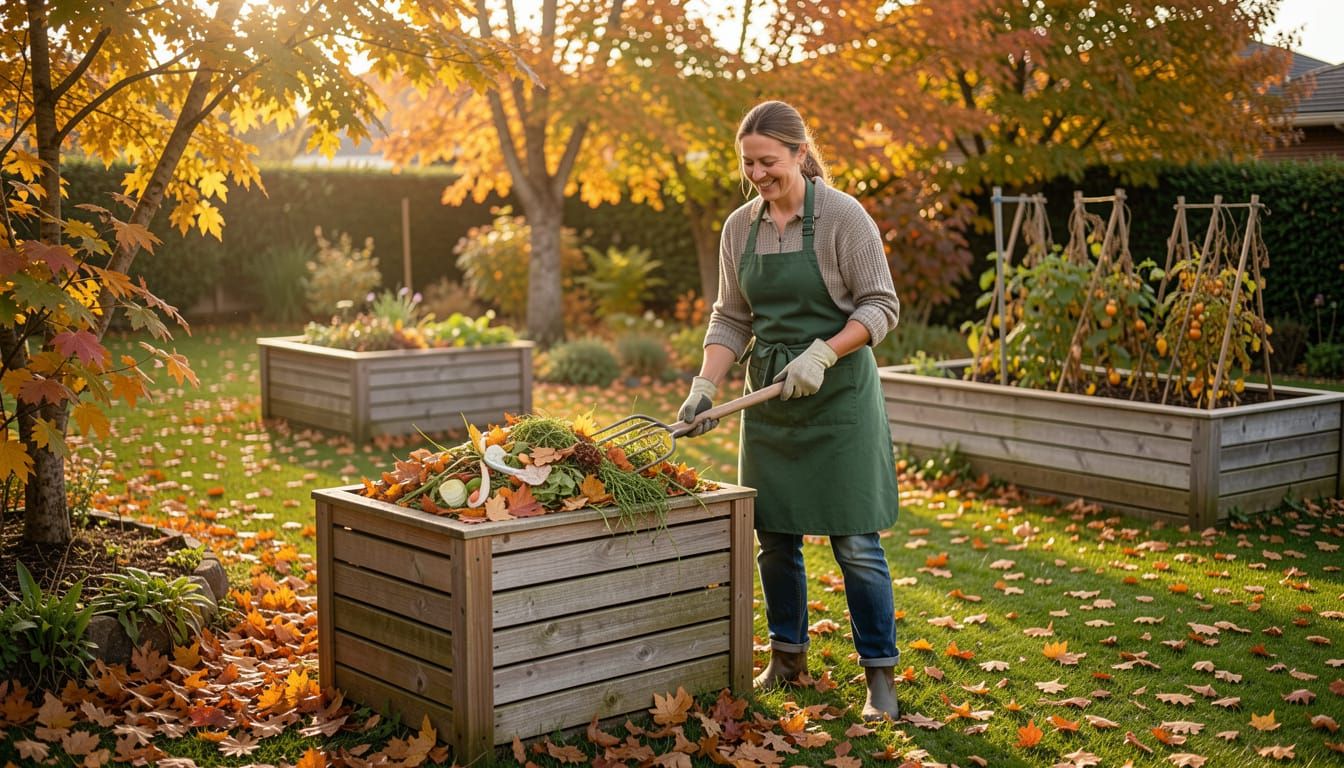
Start Composting: Begin filling the central basket with kitchen scraps and other organic waste.
For a more visual guide, you can refer to resources like this YouTube video that provides a detailed walkthrough of the construction process.
Planting and Maintaining Your Keyhole Garden
Once your keyhole garden is built, the next step is to plant and maintain it for optimal productivity. Here are some tips to help you succeed:
Companion Planting for Keyhole Gardens
Companion planting is a technique that involves growing different plants together for mutual benefit. This can enhance growth, deter pests, and improve soil health. Some excellent companion plants for keyhole gardens include:
Tomatoes and Basil: Basil repels many tomato pests and improves the flavor of the fruit.
Carrots and Onions: Onions deter carrot root flies, while carrots deter onion flies.
Beans and Corn: Beans fix nitrogen in the soil, which benefits corn. Corn provides support for climbing beans.
Marigolds: These flowers repel many garden pests and attract beneficial insects.
For more detailed information on companion planting, check out this informative article on The Old Farmer’s Almanac.
Watering and Fertilizing
Keyhole gardens are designed to be water-efficient, but they still require regular watering, especially during dry periods. The central compost basket helps distribute moisture evenly throughout the bed. To water, simply pour water into the basket, allowing it to slowly seep into the surrounding soil.
Fertilizing is generally minimal due to the continuous composting process. However, you can supplement with compost tea or other organic fertilizers if needed. Regular mulching with organic matter helps retain moisture and suppress weeds.
Pest and Disease Control
Keyhole gardens are less susceptible to pests and diseases due to their healthy soil and diverse plant life. However, it’s still important to monitor your plants and take action if problems arise. Organic pest control methods, such as using insecticidal soap or introducing beneficial insects, are recommended.
Year-Round Vegetable Production in Keyhole Gardens
One of the most exciting aspects of keyhole gardens is their potential for year-round vegetable production. By carefully planning your plantings and using season extension techniques, you can enjoy fresh produce throughout the year.
Season Extension Techniques
To extend your growing season, consider using the following techniques:
Cold Frames: These are simple structures that protect plants from frost and cold weather.
Row Covers: Lightweight fabrics that protect plants from frost, wind, and pests.
Greenhouses: More elaborate structures that provide a controlled environment for growing plants year-round.
Succession Planting: Planting crops at intervals to ensure a continuous harvest throughout the season.
Crop Rotation and Succession Planting
Crop rotation involves planting different crops in the same area in a planned sequence. This helps prevent soil depletion and reduces the risk of pests and diseases. Succession planting, as mentioned earlier, is planting crops at different times to ensure a continuous harvest. For example, you can plant a new batch of lettuce every two weeks to have a steady supply throughout the summer.
For more detailed information on crop rotation, you can explore resources like this one from Gardener’s Supply. This table illustrates crop rotation grouping examples:
Crop Group
Examples
Benefits of Rotation
Legumes
Beans, peas
Fix nitrogen in the soil
Leafy Greens
Lettuce, spinach
Use nitrogen provided by legumes
Root Crops
Carrots, beets
Loosen the soil
Fruiting Crops
Tomatoes, peppers
High nutrient demand, benefit from rotation
Keyhole Gardens in Travel and Tourism
For those who love to travel and explore, keyhole gardens offer a unique perspective on sustainable living and community development. Many eco-tourism initiatives and community-based tourism projects incorporate keyhole gardens as a way to promote food security and environmental conservation. Visiting these projects can provide valuable insights into the practical applications of sustainable agriculture and the resilience of local communities.
Imagine traveling to a remote village in Africa or South America and seeing firsthand how keyhole gardens are transforming lives. It’s a powerful and humbling experience that can deepen your appreciation for sustainable practices and the ingenuity of local cultures. Such experiences can be a highlight of any travel itinerary, offering a meaningful connection to the places and people you visit.
Frequently Asked Questions (FAQs) About Keyhole Gardens
What vegetables grow best in keyhole gardens?
Keyhole gardens are versatile and can support a wide variety of vegetables. Some of the best vegetables to grow include tomatoes, peppers, leafy greens (such as lettuce and spinach), herbs, and root vegetables (like carrots and beets). The rich, fertile soil created by the composting process is ideal for these plants. For more ideas on what to plant, check out this guide on planting in keyhole gardens.
How long does it take to build a keyhole garden?
The time it takes to build a keyhole garden can vary depending on the materials used and the size of the garden. Generally, it can take anywhere from a weekend to a few days. The most time-consuming part is usually gathering the materials and constructing the walls. However, the long-term benefits of a keyhole garden far outweigh the initial effort.
How do I maintain a keyhole garden?
Maintaining a keyhole garden is relatively easy. The most important tasks include regularly adding organic matter to the central compost basket, watering the garden (especially during dry periods), and monitoring for pests and diseases. Mulching can help retain moisture and suppress weeds. For more detailed maintenance tips, explore this resource on keyhole garden maintenance.
Are keyhole gardens suitable for urban areas?
Yes, keyhole gardens are highly suitable for urban areas. Their compact design and efficient use of space make them ideal for small yards, patios, or even rooftops. They can be adapted to fit various urban environments and provide a sustainable way to grow fresh produce in the city. You can find more information on urban gardening techniques on platforms like Urban Farmer.
Can keyhole gardens be used for flowers and herbs?
Absolutely! While keyhole gardens are excellent for growing vegetables, they can also be used for flowers and herbs. The fertile soil and efficient watering system are beneficial for a wide range of plants. Companion planting can be particularly effective in keyhole gardens, where certain flowers and herbs can help deter pests and attract beneficial insects. For example, marigolds are often used to deter pests, while herbs like basil and mint can repel certain insects and enhance the flavor of nearby vegetables.
Conclusion: Embrace the Potential of Keyhole Gardens
Keyhole gardens represent a powerful blend of ingenuity, sustainability, and productivity. Whether you’re a seasoned homesteader, an avid traveler interested in eco-tourism, or simply someone looking to grow your own food, keyhole gardens offer a compelling solution. Their unique design, efficient use of resources, and potential for year-round vegetable production make them a valuable asset to any gardening endeavor. By embracing the principles of keyhole gardening, you can cultivate not only a thriving garden but also a deeper connection to sustainable living and the communities that champion it.
Ready to embark on your keyhole garden journey? Start planning your garden today and experience the joy of sustainable, year-round vegetable production. Share your experiences and inspire others to embrace this innovative gardening technique!
We use cookies to improve your experience, analyze traffic, and display personalized ads.
By clicking "Accept", you consent to the use of cookies in accordance with our Privacy Policy.