
April is one of the most important months on the New Zealand gardening calendar. If you’re wondering which winter vegetables to plant in April NZ, the good news is — there’s a surprisingly long list. The days are shortening, the air is crisp, and your garden is primed for a productive cool-season transformation. Get your beds ready now and you’ll be harvesting hearty greens, crunchy roots, and satisfying brassicas right through the depths of winter.
This guide covers everything you need: what to plant, when to sow seeds versus plant seedlings, how to prepare your soil, and how to tailor your choices to your specific New Zealand climate zone. Whether you’re in balmy Auckland or frosty Canterbury, there’s a winter garden waiting for you this April.
Why April Is the Sweet Spot for Winter Vegetable Planting in NZ
April sits in that golden window between the tail end of summer warmth and the real chill of winter. Soil temperatures are still above 10°C in most regions, which means seeds can germinate reliably and transplanted seedlings can establish strong root systems before growth slows in July. Miss this window and your brassicas, root crops, and leafy greens won’t have enough time to get established before the cold truly bites.
Winter is also one of the best seasons to grow vegetables for another reason: pests and disease pressure drops dramatically. Fewer aphids, whitefly, and fungal spores mean you can grow beautiful, blemish-free crops with less intervention. Brassicas especially benefit — that relentless white butterfly becomes a non-issue once the temperature dips below about 12°C.
Understanding New Zealand’s Climate Zones for April Planting
New Zealand stretches across a wide range of latitudes, and April conditions vary significantly between regions. Knowing your zone helps you time sowing and planting accurately.
| Climate Zone | Regions | April Conditions | Key Considerations |
|---|---|---|---|
| Mild / Warm | Northland, Auckland, Bay of Plenty, Gisborne, Hawke’s Bay | Mild days 16–22°C, cool nights above 8°C | Excellent window for planting most winter crops; garlic and shallots can go in late April |
| Temperate | Waikato, Taranaki, Manawatū, Wellington, Nelson, Marlborough | Days 12–18°C, cool nights 5–10°C; light frosts possible by late April | Focus on frost-hardy varieties; protect newly planted seedlings on cold nights |
| Cool / Cold | Canterbury, Otago, Southland, Central Plateau | Days 8–14°C, night frosts increasingly common | Prioritise the hardiest varieties; use frost cloth or cloches; sowing to finished seedlings is risky — buy established transplants instead |
The Best Winter Vegetables to Plant in April NZ
The following crops are your core April planting list. They’re matched to New Zealand growing conditions, they tolerate cold and even light frosts, and they’ll reward you with harvests from late June through to October — some even longer.
1. Brassicas (Broccoli, Cabbage, Cauliflower, Brussels Sprouts, Kale, Bok Choy)
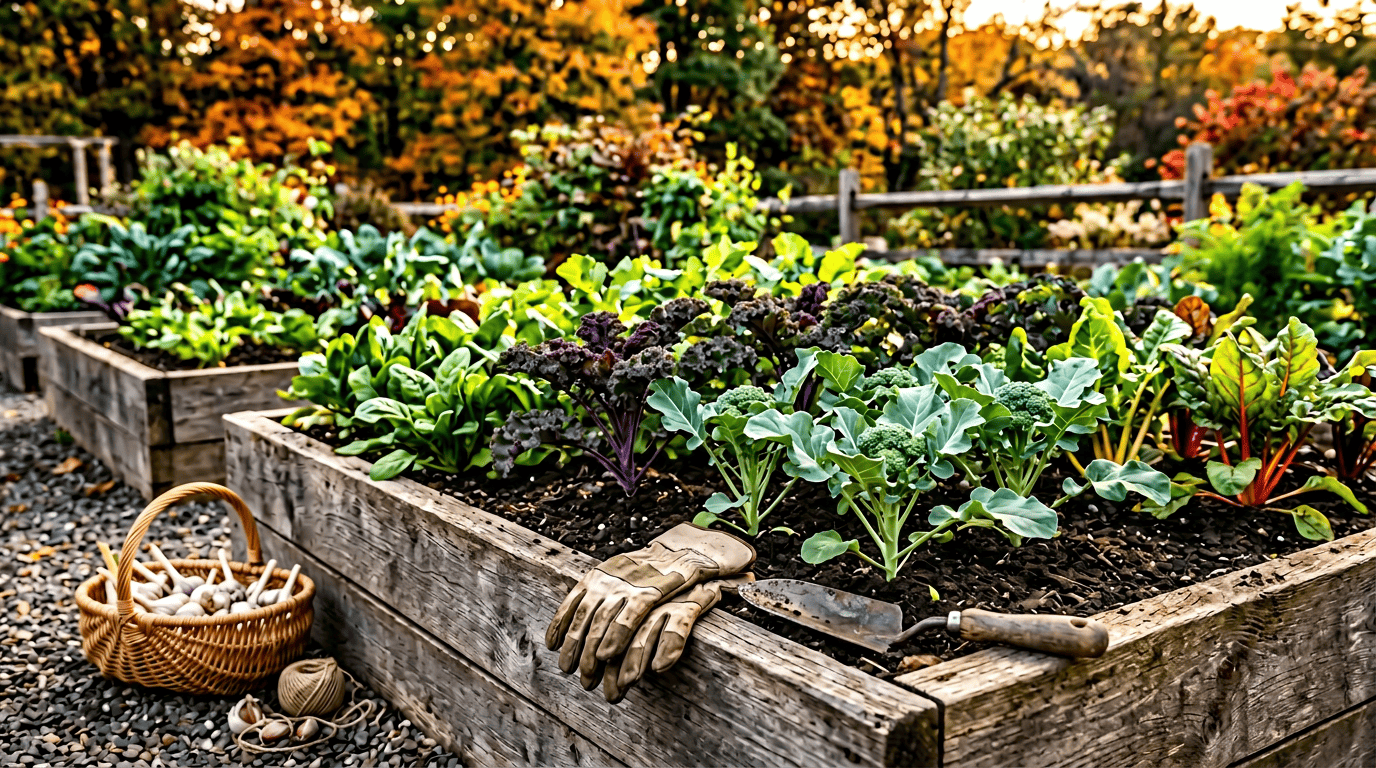
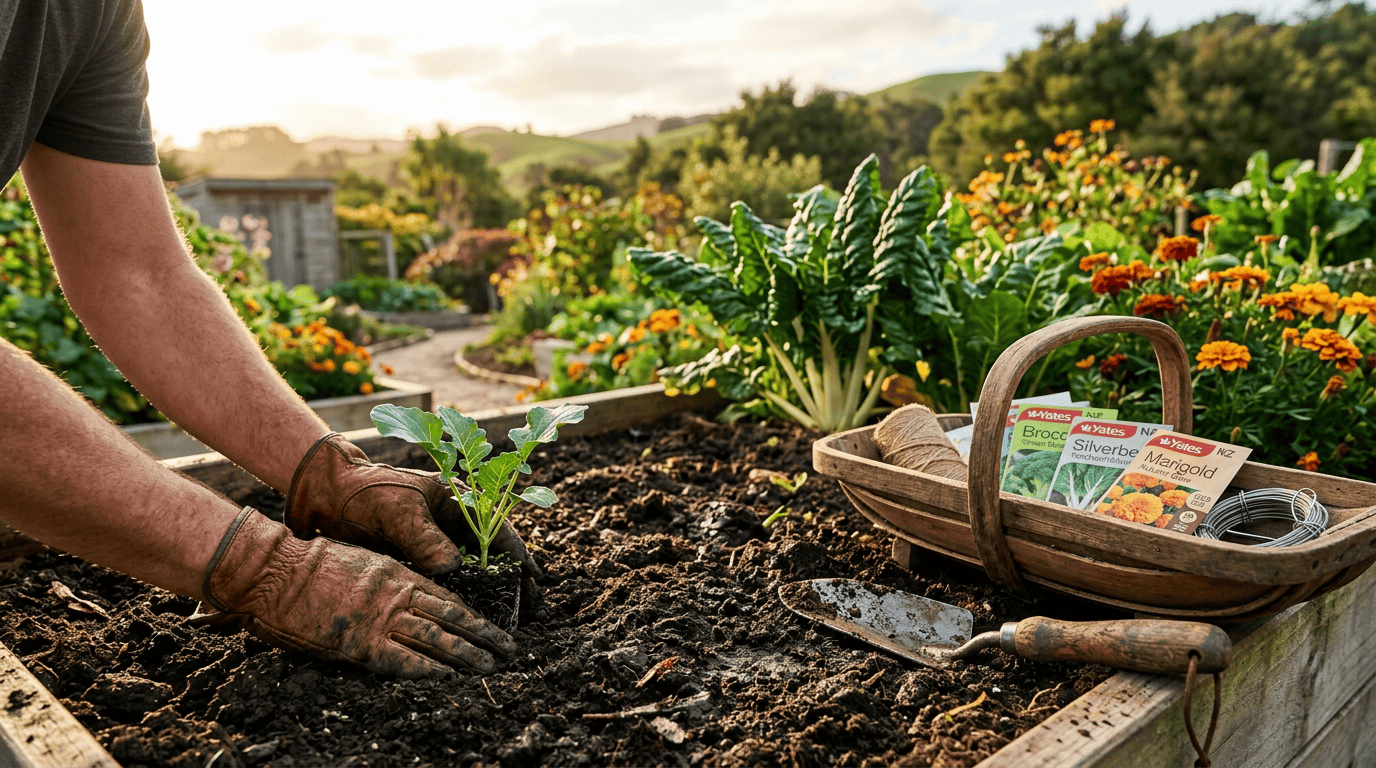
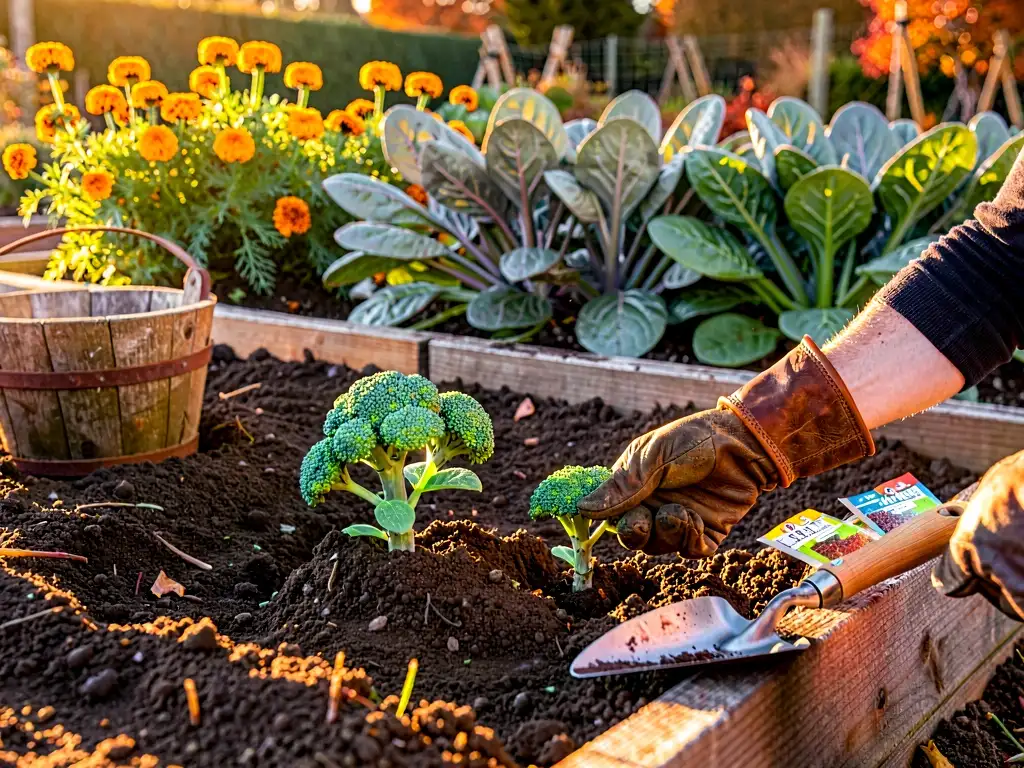
Brassicas are the backbone of any winter vegetable garden in New Zealand. They’re cold-hardy, nutritious, and productive over many weeks. Most benefit from being raised in seed trays from February–March and transplanted in April as sturdy seedlings, though you can still buy punnets from garden centres in early April for a head start.
- Broccoli — Space at 40–60 cm. Harvest the main head when tight and green; side shoots keep producing for weeks. Ready in 60–90 days. Succession plant every 3–4 weeks for continuous harvest.
- Cabbage — Space at 40–50 cm. Extremely frost-tolerant. Choose savoy types for mild regions or red cabbage varieties for cold south. Heads form in 90–150 days.
- Cauliflower — Space at 50–75 cm. Needs consistent moisture and fertile soil. Harvest when heads are white and firm. Ready in 70–120 days.
- Brussels Sprouts — Space at 90 cm. A long-season crop (85–95 days) that actually tastes better after frost. Stake tall plants in exposed areas. Harvest lower sprouts first.
- Kale — Space at 40–50 cm. One of the hardiest crops you can grow — survives frosts that would kill most other vegetables. Harvest outer leaves as needed from about 50–65 days. Thrives year-round in New Zealand.
- Bok Choy & Asian Greens — Space at 20–30 cm. Incredibly fast-growing (30–45 days). Great for filling gaps in the garden and perfect for stir-fries all winter.
Planting tip: Before transplanting brassica seedlings, dust the bed and the underside of leaves with Derris Dust to deter any late-season white butterfly and diamondback moth that may still be active in early April.
2. Root Vegetables (Carrots, Beetroot, Parsnip, Turnip, Swede)
April is prime time to sow root vegetables directly into well-prepared garden beds. Root crops can’t be transplanted — they need to germinate and grow in place. Sow now for harvests from late June onwards, with parsnips and swedes often delivering their best flavour after the first frosts have sweetened them.
- Carrots — Sow direct. Thin seedlings to 5–7 cm apart, in rows 15–20 cm apart. Avoid freshly composted soil — it causes forked roots. Harvest in 60–90 days.
- Beetroot — Sow direct. Space 5–10 cm apart. Young leaves are edible in salads. Harvest roots in 56–70 days. Very easy for beginners.
- Parsnip — Sow direct. Slow to germinate (21+ days). Space 10–15 cm apart in deep, loose soil. Harvest in 112–140 days; sweetest after frost. Ideal for Canterbury, Otago, and Southland gardeners.
- Turnip — Sow direct. Space 15–20 cm apart. Fast-growing (50–70 days). Thrives in cool conditions. Young leaves are also edible.
- Swede — Sow direct. Space 20–25 cm apart. Extremely frost-hardy. Perfect companion to parsnip in the cold-climate garden.
3. Leafy Greens (Silverbeet, Spinach, Lettuce, Rocket, Mesclun, Asian Greens)
Leafy greens are among the most versatile and rewarding winter vegetables to plant in April. They grow quickly, can be harvested leaf by leaf to extend the picking season, and grow well in containers as well as garden beds.
- Silverbeet (Swiss Chard) — Sow direct or transplant. Space 25–40 cm apart. Incredibly productive and tolerates both heat and cold. Harvest outer leaves continuously from 50–85 days. A true NZ kitchen garden staple.
- Spinach — Sow direct. Space at 30–60 cm. Grows year-round in New Zealand. Prefers cool conditions. Harvest outer leaves as needed from about 60–70 days.
- Lettuce — Transplant seedlings. Space at 20–30 cm. Choose “butter” or “loose-leaf” types for winter. Protect from heavy frost. Ready in 45–75 days.
- Rocket & Mesclun — Sow direct. Fast-growing and cold-hardy. Perfect for containers or window boxes. Ready in as little as 30–40 days for baby leaf harvest.
- Asian Greens (Mizuna, Mibuna, Mustard Greens) — Sow direct. Space at 20–25 cm. Extremely cold-tolerant and fast-growing. Ideal for cool-climate gardeners in Otago and Canterbury.
4. Alliums (Onions, Leeks, Spring Onions, Garlic, Shallots)
April is the optimal time to establish your allium crops for a summer harvest. These slow-growing stalwarts will tick along through winter, building strong bulbs and stems ready for a rewarding harvest in spring and early summer.
- Onions — Sow seeds into trays or plant seedling bunches. Space at 10–15 cm. Long season (150–180 days). Harvest when tops fall over in early summer.
- Leeks — Transplant seedlings. Space at 15–20 cm in rows 30 cm apart. Harvest from July onwards. Very frost-hardy and reliable.
- Spring Onions — Sow direct. Space at 5 cm. Quick and easy. Can be harvested in as little as 60 days. Grow year-round in most NZ regions.
- Garlic — Plant individual cloves 5–8 cm deep, 15 cm apart, in rows 30 cm apart. In mild regions (Northland, Auckland, Bay of Plenty), plant late April to early May. In cooler regions, plant from April. Harvest in November–December. Choose New Zealand-grown seed garlic for best results.
- Shallots — Plant bulbs 15 cm apart. Similar growing requirements to garlic. Ready to harvest in approximately 90–110 days.
5. Broad Beans and Peas
Broad beans are a wonderful cool-season crop that can be direct-sown in April across all New Zealand regions. In heavier or wetter soils — common in Waikato and parts of the South Island — start them in trays to avoid rot. Peas are a final warm-weather play, best attempted in warmer northern regions only in April.
- Broad Beans — Direct sow. Space 15–25 cm apart in rows 60–75 cm apart. Stake to at least 1 m. Pinch out tips at full flowering to fatten pods. Ready in 90–120 days. Excellent for nitrogen fixing.
- Peas — Direct sow in warm regions only (Auckland, Northland, Coromandel). Space 5–8 cm apart. Provide a trellis or netting. Ready in 60–70 days.
Soil Preparation: Setting Your Winter Garden Up for Success
The best winter crop starts with well-fed, well-draining soil. Before you plant anything in April, take the time to prepare your beds — it makes a measurable difference to your harvest. Remove finished summer crops, add them to the compost bin (don’t dig diseased material back into the soil), and replenish nutrients lost over the growing season.
- Clear the bed — Remove all finished summer vegetable plants and weeds.
- Add compost — Work 5–10 cm of quality compost (or a compost-based vegetable mix) through the top 20 cm of soil. Daltons Compost and Tui Vegetable Mix are popular NZ options available from Mitre 10, Bunnings, and garden centres nationwide.
- Add sheep pellets or blood and bone — Scatter and lightly fork in a slow-release organic fertiliser to provide nitrogen for leafy growth. Aim for about 100 g per square metre.
- Check soil pH — Brassicas and root vegetables prefer a pH of 6.0–7.0. Use a simple soil test kit and add garden lime if your soil is too acidic. Lime also helps prevent clubroot in brassicas.
- Improve drainage if needed — In heavy clay soils, work in some compost or perlite and consider raising your bed level slightly to prevent waterlogging over winter.
- Mulch after planting — A light layer of straw, pea straw, or sugarcane mulch insulates roots against cold, retains moisture during dry spells, and suppresses winter weeds.
Products to look for: Tui Vegetable & Herb Mix, Daltons Premium Compost, Yates Dynamic Lifter, and sheep pellets are all excellent soil-building choices available at New Zealand garden centres.
April Planting Calendar by Sowing Method
| Vegetable | Sow Seeds Direct | Sow in Seed Trays | Plant Seedlings | Spacing | Days to Harvest |
|---|---|---|---|---|---|
| Broccoli | — | Feb–March (transplant now) | ✔ April | 40–60 cm | 60–90 days |
| Cabbage | — | Feb–March | ✔ April | 40–50 cm | 90–150 days |
| Cauliflower | — | Feb–March | ✔ April | 50–75 cm | 70–120 days |
| Brussels Sprouts | — | March | ✔ Late April | 90 cm | 85–95 days |
| Kale | ✔ Year-round | — | ✔ Year-round | 40–50 cm | 50–65 days |
| Bok Choy | ✔ April | — | ✔ April | 20–30 cm | 30–45 days |
| Silverbeet | ✔ April | — | ✔ April | 25–40 cm | 50–85 days |
| Spinach | ✔ Year-round | — | ✔ Year-round | 30–60 cm | 60–70 days |
| Lettuce | — | — | ✔ April | 20–30 cm | 45–75 days |
| Carrots | ✔ Year-round | — | — | 5–7 cm | 60–90 days |
| Beetroot | ✔ April | — | — | 5–10 cm | 56–70 days |
| Parsnip | ✔ April | — | — | 10–15 cm | 112–140 days |
| Turnip | ✔ April–Aug | — | ✔ April | 15–20 cm | 50–70 days |
| Onions | ✔ April | ✔ April | ✔ April | 10–15 cm | 150–180 days |
| Leeks | — | — | ✔ April | 15–20 cm | 90–150 days |
| Garlic | Plant cloves April–May | — | — | 15 cm | 180–240 days |
| Broad Beans | ✔ April | ✔ April (wet soils) | ✔ From May | 15–25 cm | 90–120 days |
| Spring Onions | ✔ Year-round | — | — | 5 cm | 60 days |
| Rocket / Mesclun | ✔ April | — | — | 10–20 cm | 30–40 days |
Watering and Fertilising Your Winter Garden
A common misconception is that the winter garden looks after itself — but consistent care through April and May determines how well your crops perform in the cold months ahead. As daylight hours shorten and temperatures cool, you won’t need to water as frequently, but your plants still need regular attention, especially in drier regions like Hawke’s Bay, Nelson, and Canterbury.
Watering Guide
- Water deeply once or twice per week in early April while soils are still warm and plants are establishing.
- Reduce to once a week or less by late April–May as temperatures drop and rainfall increases in most regions.
- Water at the base of plants where possible — wet foliage in cool, still air promotes fungal diseases like downy mildew and botrytis.
- In clay-heavy soils (common in parts of Waikato and Northland), ensure beds drain freely — waterlogged winter soils are one of the biggest killers of brassica seedlings.
Fertilising Guide
- At planting: Work slow-release fertiliser (blood and bone, sheep pellets, or Yates Dynamic Lifter) into the top 10 cm of soil.
- 4–6 weeks after transplanting: Apply a liquid fertiliser high in nitrogen (such as Tui Seaweed & Fish or a general vegetable liquid feed) to encourage leafy growth on greens, kale, and brassicas.
- For root crops: Avoid high-nitrogen fertilisers once seedlings are established — excess nitrogen produces leafy tops and small roots. Switch to a balanced fertiliser with potassium and phosphorus.
- Garlic and onions: Side-dress with blood and bone in May–June to support steady bulb development through winter.
Frost Protection for April-Planted Crops
Most of the crops listed in this guide are frost-tolerant — but there’s a difference between tolerating frost and thriving through it. Newly transplanted seedlings are always more vulnerable than established plants, and a hard frost in late April or early May can set back brassica transplants before they’ve had time to harden off.
- Frost cloth — Keep a roll on hand. Drape loosely over seedlings on nights where a frost warning is issued. Remove in the morning to allow air circulation.
- Cloches — Cut-down plastic bottles or purpose-made glass cloches create a microclimate around individual seedlings. Especially useful in Waikato, Wellington, and Nelson gardens.
- Cold frames — For Canterbury, Otago, and Southland gardeners, a simple cold frame made from a timber box and an old glass window provides a reliable, low-cost frost shelter.
- Mulching — A 5 cm layer of pea straw or lucerne mulch insulates soil and protects roots from hard ground frosts overnight.
Products to look for: Tui Frost Cloth, Yates frost protection sprays, and seed-raising systems that include small propagation cloches are widely available at Mitre 10, Bunnings, and local garden centres.
Growing Winter Vegetables in Pots and Containers
Don’t have a vegetable garden? April is an excellent time to start winter growing in containers on a patio, balcony, or deck. Many winter vegetables thrive in pots — especially if you choose a sunny, sheltered spot out of the worst of the wind and rain.
- Leafy greens (spinach, silverbeet, kale, rocket, lettuce, Asian greens) — Grow in containers 30–40 cm deep. These are the easiest and most productive pot crops.
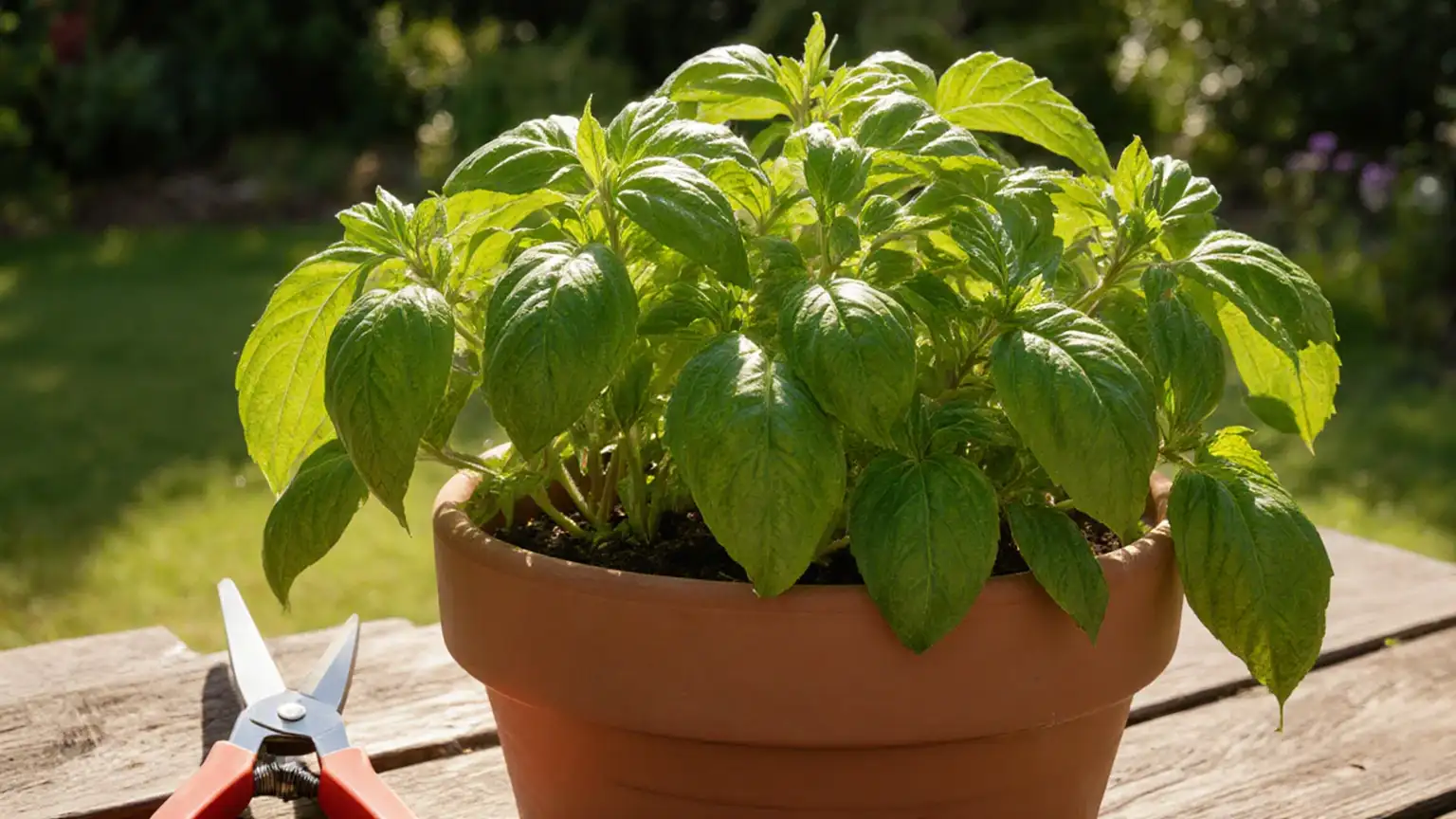
- Spring onions and herbs — Perfect for window boxes and small pots. Parsley, coriander, and spring onions are all productive through New Zealand winters in sheltered spots.
- Mini brassicas — Look for compact or mini varieties of broccoli and cauliflower specifically bred for container growing. A 40–50 cm pot works well.
- Carrots — Use a pot at least 40–50 cm deep. Choose shorter varieties like ‘Chantenay’ or ‘Amsterdam Forcing’ for the best results.
Use a quality potting mix: Avoid using garden soil in containers — it compacts easily and drains poorly. Tui Vegetable Mix, Daltons Premium Potting Mix, or Palmers’ container mixes provide the drainage and nutrition your winter crops need to thrive in pots.
Common Beginner Mistakes When Planting Winter Vegetables in April
Even experienced gardeners make avoidable errors in the autumn planting rush. Here are the most common pitfalls to watch for:
- Waiting too long to plant — Every week you delay in April, the soil cools a little more and germination slows. Get seeds in the ground and seedlings in the bed as early in April as possible.
- Not improving the soil first — After a full summer growing season, beds are often depleted. Skipping compost and fertiliser top-up leads to small, flavourless winter crops.
- Overcrowding brassicas — It’s tempting to squeeze in more plants, but cramped brassicas compete for light and nutrients, increasing disease risk. Respect the spacing on the plant label.
- Planting root crops too shallow — Carrots, parsnips, and turnips need a well-tilled, deep bed free of rocks and fresh compost. Hard, shallow soil produces stunted, forked roots.
- Underestimating slugs and snails — Cool, moist April conditions are prime slug season. Place slug bait around each new transplant and check in the mornings. Yates Blitzem or Tui Quash are popular NZ-available options.
- Forgetting to harden off seedlings — If you’ve raised your own seedlings indoors, spend a week hardening them off by placing them outside during the day before transplanting. Sudden exposure to outdoor conditions can cause transplant shock.
- Planting garlic cloves upside down — The pointed end goes up. Planted incorrectly, the shoot grows in a U-shape, wasting energy. Choose large, firm, unblemished cloves for planting.
Quick-Win Crops: Fast Results for Beginner Winter Gardeners
If you’re new to winter vegetable gardening and want to see results quickly, these are your best bets for early confidence and consistent harvests:
- Silverbeet — Near-indestructible, productive, and ready to harvest in 6–8 weeks. A genuinely foolproof crop for Kiwi gardeners of all levels.
- Kale — Hardy, fast-growing, and packed with nutrients. You’ll be picking outer leaves within 7–8 weeks and it will keep producing all winter and into spring.
- Rocket — Ready to harvest as baby leaves in as little as 30 days. Direct sow into any spare patch of ground or a window box.
- Bok choy — One of the fastest-growing winter vegetables in the garden. Ready in 4–6 weeks and perfect for quick stir-fry meals on cold nights.
- Broad beans — Direct sow and largely forget until harvest. Low-maintenance, great for soil health, and deeply satisfying to grow from seed.
FAQ: Winter Vegetables to Plant in April NZ
Is it too late to plant vegetables in April in New Zealand?
No — April is actually one of the best months to plant winter vegetables in New Zealand. Soil temperatures are still warm enough for germination and root establishment, and cool-season crops like brassicas, leafy greens, root vegetables, and broad beans all perform at their best when planted in April. The sooner you plant in the month, the better head start your crops will get before the coldest winter months slow growth.
What are the easiest winter vegetables for beginner gardeners in NZ?
Silverbeet, kale, rocket, spinach, and broad beans are all highly recommended for beginners. They’re forgiving of imperfect soil conditions, relatively pest-resistant in winter, and reward you with reliable harvests. Bok choy and spring onions are also excellent starter crops — they grow quickly and give you results within four to six weeks of planting. All are available as seeds or seedlings at NZ garden centres.
Can I grow winter vegetables in pots and containers in April?
Absolutely. Leafy greens like spinach, silverbeet, kale, rocket, and Asian greens thrive in containers 30–40 cm deep. Spring onions, parsley, and coriander grow well in window boxes. For best results, use a quality potting mix designed for vegetables — standard garden soil compacts too much in containers. Position pots in a north-facing, sheltered spot to maximise sunlight through the shorter winter days.
When should I plant garlic in New Zealand?
In mild regions (Northland, Auckland, Bay of Plenty), garlic is best planted from late April through to May. In cooler regions (Waikato, Canterbury, Otago), April planting is ideal — the cold winter temperatures help stimulate bulb formation. Plant individual cloves 5–8 cm deep, pointed end up, 15 cm apart. Choose certified, disease-free New Zealand seed garlic from Kings Seeds or your local garden centre for the most reliable results. Harvest in November–December.
What vegetables can I still plant in May if I miss April?
You can still plant broad beans, garlic, kale, silverbeet, spinach, leeks, onion seedlings, and some brassica seedlings in May across most of New Zealand. Root crop sowing becomes increasingly hit-or-miss in May as soils cool, though parsnips and turnips can still be direct-sown in warmer northern regions. In Canterbury, Otago, and Southland, focus on transplanting established seedlings rather than sowing from seed by mid-May.
Do I need to protect my winter vegetables from frost?
Most established winter vegetables — kale, silverbeet, broad beans, leeks, broccoli, Brussels sprouts — handle moderate frosts without protection. Newly transplanted seedlings are more vulnerable and benefit from light frost cloth cover on nights when temperatures drop below 0°C. Lettuce and Asian greens are the most frost-sensitive of the common winter crops and appreciate shelter in colder southern regions. Mulching around the base of plants also helps insulate roots through cold snaps.
How often should I water winter vegetables in NZ?
In April, water established seedlings deeply once or twice a week while soils are still warm. By May and June, rainfall in most regions supplements garden watering significantly — check soil moisture before watering by pressing a finger 5 cm into the soil. If it feels moist, hold off. Overwatering in winter can cause root rot and fungal disease in brassicas. In drier eastern regions like Hawke’s Bay, Marlborough, and Canterbury, continue supplemental watering through winter during dry spells.
What’s the best fertiliser for a winter vegetable garden?
For winter vegetables, a balanced slow-release organic fertiliser worked into the soil at planting time is ideal — sheep pellets, blood and bone, or Yates Dynamic Lifter are all excellent choices widely available in New Zealand. Six weeks after transplanting, a liquid seaweed and fish fertiliser (such as Tui Seaweed & Fish) boosts leafy growth in brassicas and greens. For root crops like carrots and parsnips, avoid high-nitrogen fertilisers once seedlings are established to encourage root development over leafy growth.
Conclusion: Your Winter Garden Starts This April
The winter vegetables you plant in April will define your kitchen through the coldest months of the year. From hearty kale and broccoli to sweet-after-frost parsnips, crunchy carrots, and flavour-packed garlic, an April-planted garden is one of the most rewarding investments a New Zealand gardener can make. Prepare your soil well, choose varieties suited to your climate zone, protect young seedlings from early frosts, and you’ll be harvesting beautiful, home-grown produce right through July, August, and beyond.
Whether you’re working a sprawling raised bed in Waikato, a compact courtyard plot in Wellington, or a collection of pots on an Auckland balcony — April is your month. The garden is ready. Get planting.
Leave a Reply