We use cookies to improve your experience, analyze traffic, and display personalized ads.
By clicking "Accept", you consent to the use of cookies in accordance with our Privacy Policy.
What to Plant in March: The Ultimate New Zealand Autumn Gardening Guide
March marks a major turning point for New Zealand gardeners. The intense heat of summer is finally breaking, bringing crisper mornings, shorter days, and dew-soaked evenings. If you are wondering exactly what to plant in March, you are in the perfect window of opportunity. The soil is still warm enough to encourage rapid seed germination, but the cooler air provides the ideal environment for robust autumn and winter vegetables to establish themselves before the chill of winter sets in.
Transitioning your garden from a summer harvest powerhouse to a cool-season sanctuary requires a bit of strategy. In this comprehensive guide, we will walk you through exactly which vegetables, herbs, and flowers to get into the soil this month, how to prepare your garden beds, and the crucial climate considerations you need to keep in mind across Aotearoa.
Why March is the Most Crucial Month in the NZ Garden
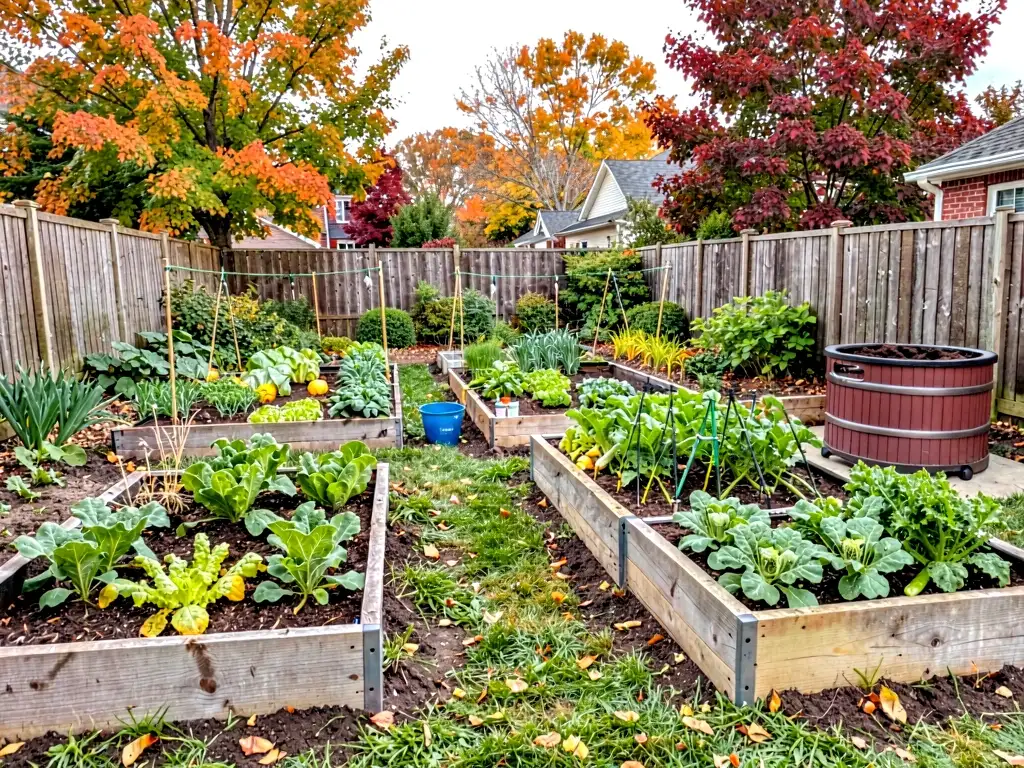
During summer, crops like tomatoes, zucchini, and sweetcorn strip the soil of its essential nutrients. March is your reset button. It is a major harvesting period, meaning empty patches will rapidly appear in your raised beds and garden plots. Leaving these spaces bare invites weeds and soil erosion.
By knowing what to plant in March, you maximize your garden’s real estate, utilizing succession planting to guarantee continuous harvests of leafy greens, root crops, and hearty brassicas right through July and August.
Climate Zones: What to Plant in March Across New Zealand
New Zealand’s distinct microclimates mean a one-size-fits-all approach rarely works. Depending on where you live, your March garden tasks will look slightly different.
Upper North Island (Warm / Subtropical)
Includes: Northland, Auckland, Waikato, Bay of Plenty
In the warmer northern regions, March still feels very much like late summer. The soil remains incredibly warm, making it the perfect time to direct sow seeds.
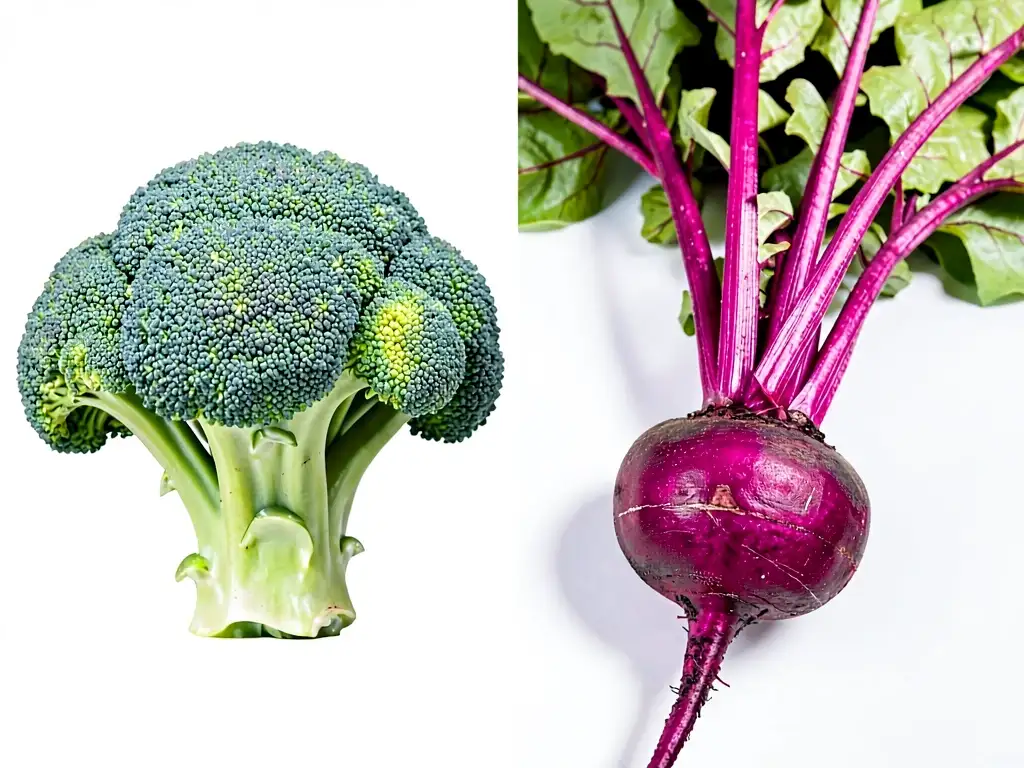
Focus on: Direct sowing carrots, beetroot, and radishes. You can also start sowing brassica seeds in trays.
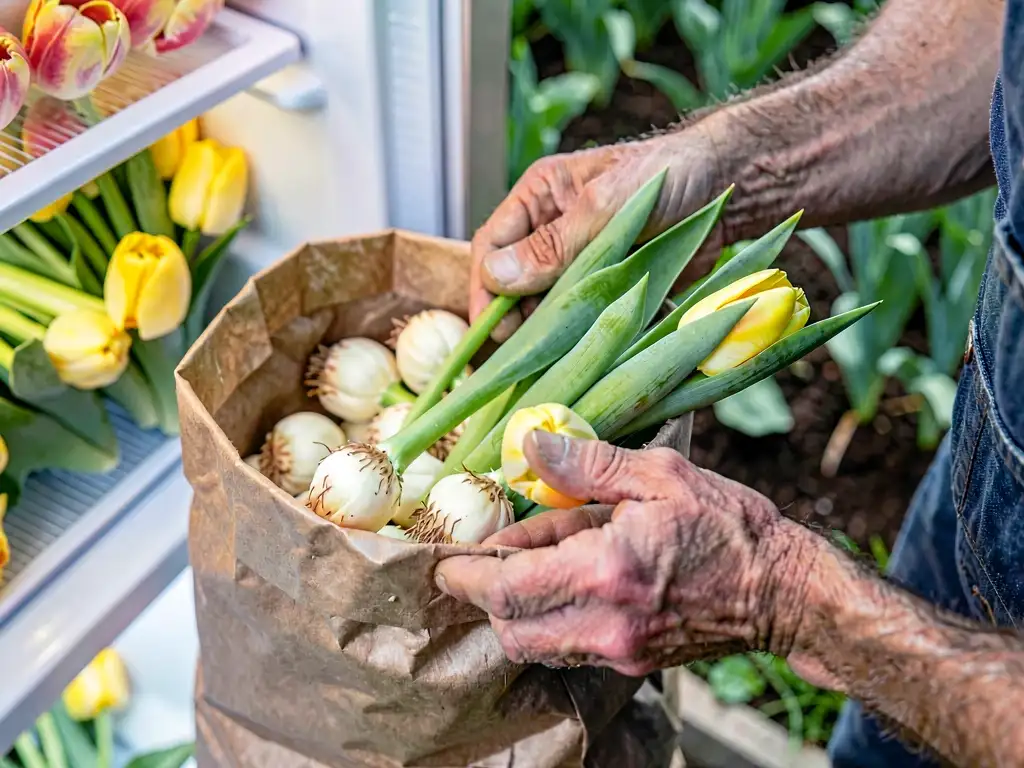
Flowers: Spring bulbs are arriving in garden centres, but the soil here is still too warm for them. Place bulbs like tulips and hyacinths in a paper bag in the fridge for 6-8 weeks to chill them before planting.
Lower North Island & Upper South Island (Temperate)
Includes: Taranaki, Wellington, Nelson, Marlborough
The shift to autumn is more pronounced here. Wind and rain can pick up, so establishing deep root systems now is essential.
Focus on: Planting out seedlings of broccoli, cabbage, and cauliflower. March is also the ideal time to sow onion and shallot seeds to give them a long, slow growing season.
Flowers: Plant anemones and ranunculus now for staggered blooming through early spring.
Lower South Island & Central Plateau (Cool / Alpine)
Includes: Canterbury, Otago, Southland, Central North Island
Frosts are just around the corner, meaning the window for seed germination is rapidly closing.
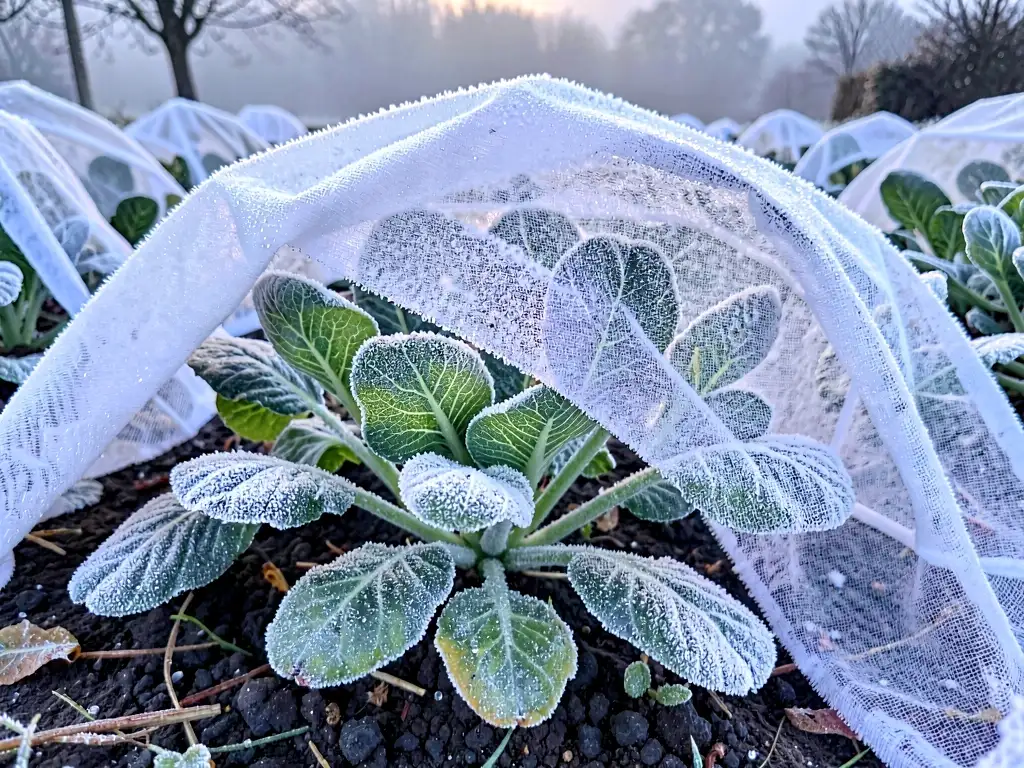
Focus on: Speed is of the essence. Skip seeds for slow-growing crops and plant established seedlings instead. Get your garlic cloves planted early. Cover sensitive crops with frost cloth overnight if early cold snaps threaten.
Top Vegetables to Plant in March
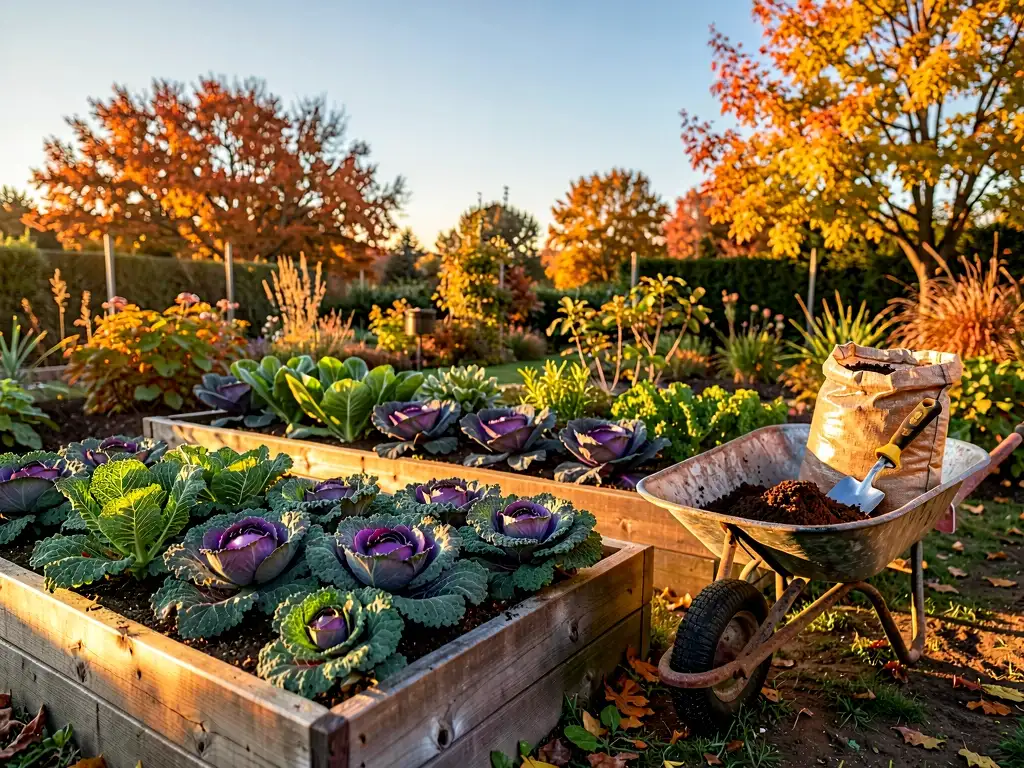
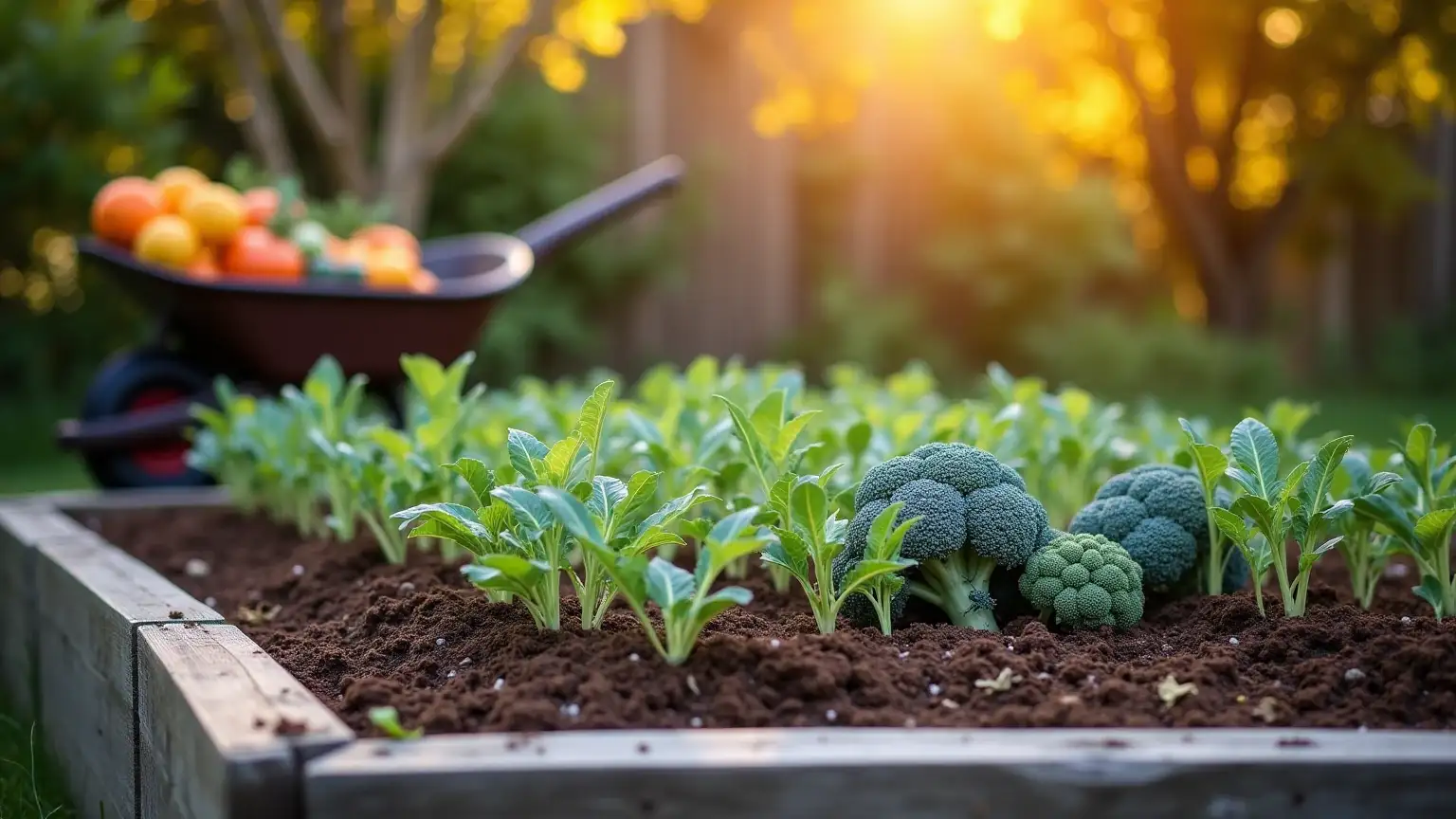
1. The Mighty Brassicas (Broccoli, Cabbage, Cauliflower, Kale)
Brassicas are the backbone of the winter garden. They thrive in cooler temperatures, which actually sweeten their leaves.
Spacing: Plant seedlings 40-50cm apart, as they require significant room to mature.
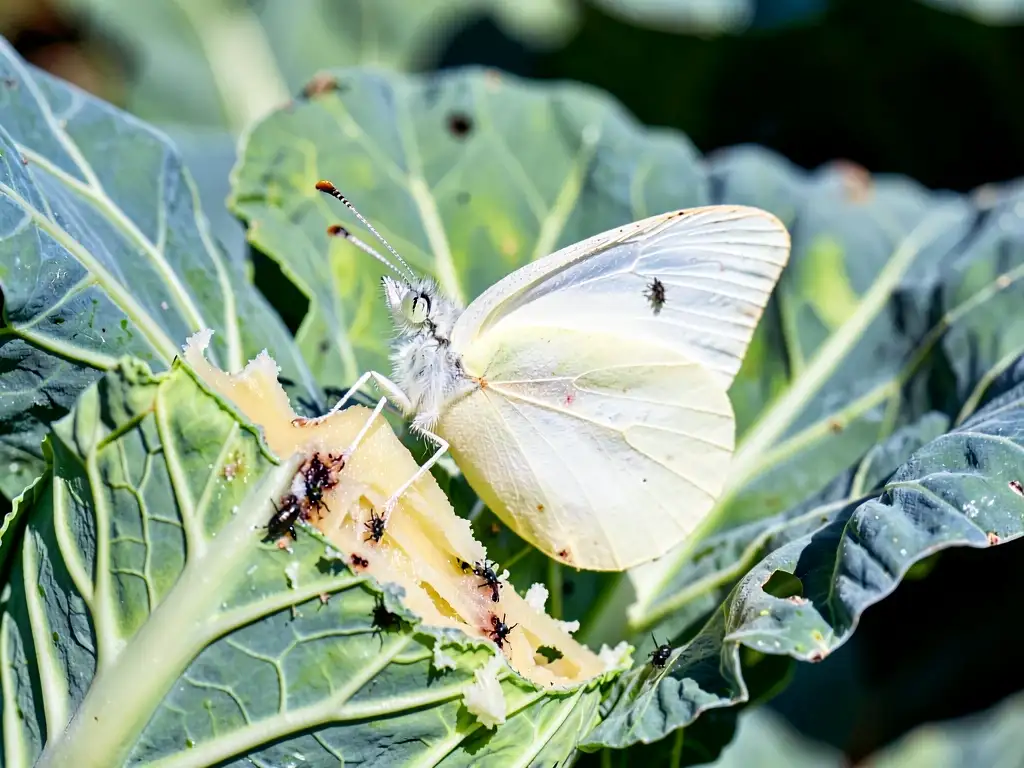
Care: The white cabbage butterfly is still highly active in March. Use fine insect mesh netting over hoops to protect your young plants, and feed with a high-nitrogen liquid fertilizer to encourage leafy growth.
Swap out your heat-sensitive summer lettuces for robust winter greens. Silverbeet and spinach are incredibly frost-hardy and will produce continuously if you harvest them using the “cut and come again” method (taking only the outer leaves).
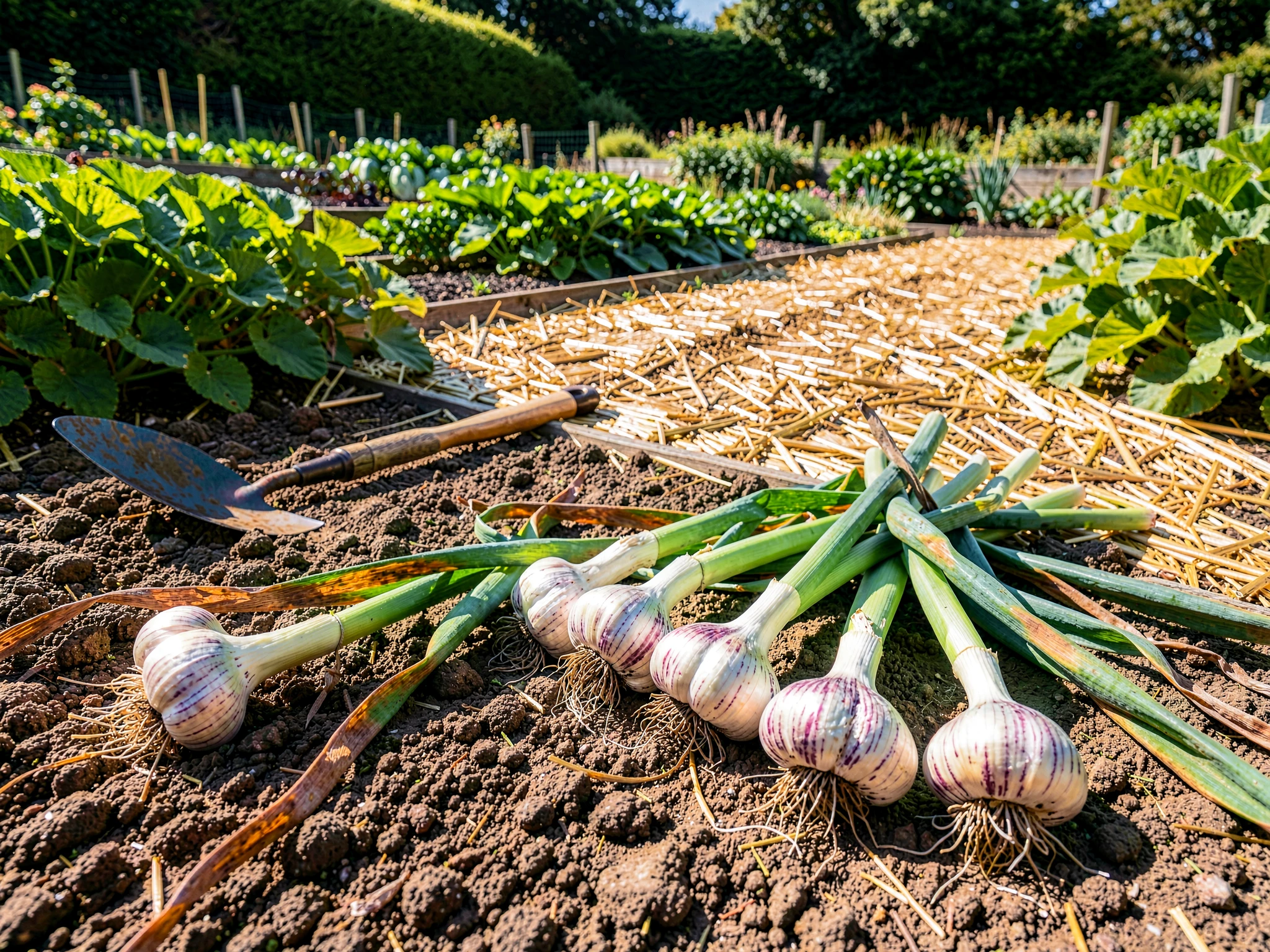
4. Essential Alliums (Onions, Shallots, Garlic)
March is the traditional starting line for the allium family. Sowing onion seeds now ensures they have the long, cool growing season they need to form large bulbs by next summer. Garlic can also be planted now in cooler regions.
Use this quick-reference chart to plan your garden beds this month.
Crop Type
Best Method in March
Spacing / Depth
Estimated Harvest Time
Key Requirement
Broccoli & Cabbage
Seedlings
40-50cm apart
10-14 weeks
High-nitrogen fertilizer, bug netting
Carrots
Direct Sow Seed
1cm deep, thin to 3cm
80-100 days
Loose, stone-free soil
Beetroot
Direct Sow Seed
2cm deep, thin to 10cm
60-80 days
Consistent moisture
Silverbeet / Chard
Seed or Seedlings
30cm apart
8-10 weeks
Rich compost, regular watering
Onions
Sow Seed in Trays/Garden
Sow thinly, 5mm deep
6-8 months
Weed-free environment
Spring Bulbs
Bulbs
Double the bulb’s height
Late Winter / Spring
Well-draining soil, pre-chilling in north
Preparing Your Soil for Autumn Crops (Step-by-Step)
The secret to a thriving winter garden is what you do to your soil in March. Summer crops are heavy feeders, and your soil is likely depleted of nutrients.
Step 1: Clear and Clean
Remove all spent summer crops like dying tomato vines, exhausted beans, and bolted lettuces. Do not compost diseased foliage; throw it in the rubbish.
Step 2: Replenish the Nutrients
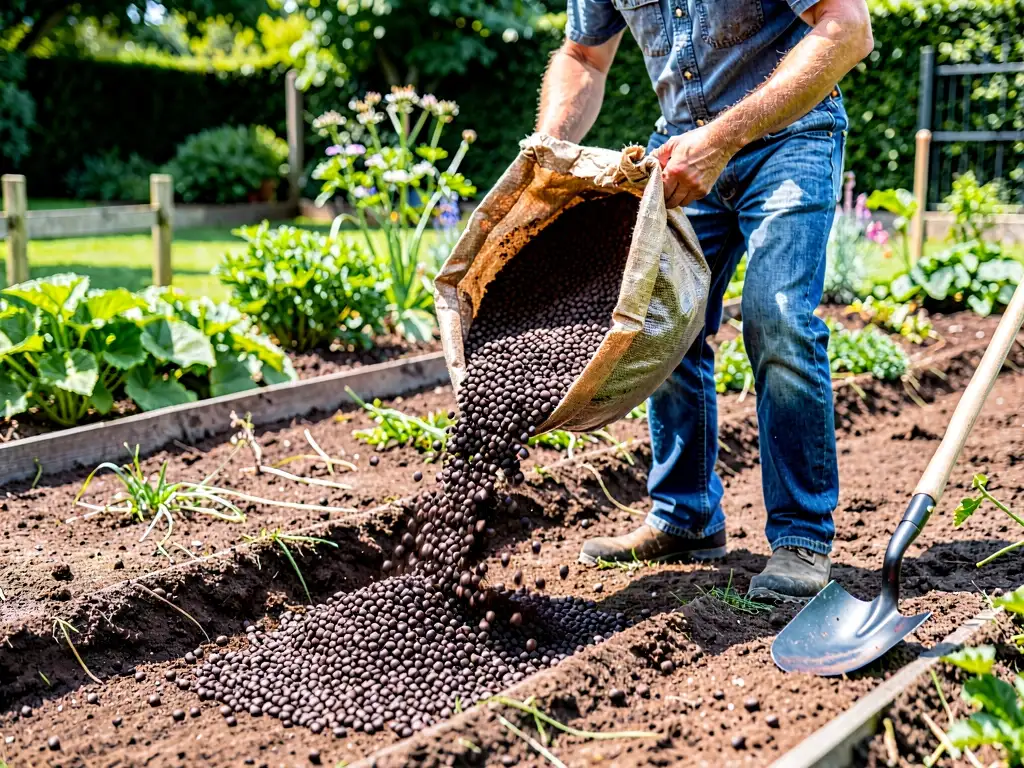
Dig generous amounts of high-quality compost and organic sheep pellets into the top 10cm of your garden beds. For raised beds that have slumped, top them up with a premium vegetable mix.
Step 3: Add Targeted Fertilizers
Broadcast a slow-release, balanced vegetable fertilizer over the beds. For heavy feeders like brassicas, a boost of blood and bone will provide the necessary nitrogen kick.
Step 4: Protect and Mulch
Once your seedlings and seeds are planted, apply a 5cm layer of pea straw mulch. This prevents autumn weeds from taking hold, retains moisture, and slowly breaks down to feed the soil worms.
Common Beginner Mistakes in the March Garden
Ignoring the Cabbage Butterfly: Thinking the cooler weather has killed off the pests is a fatal error. White cabbage butterflies lay eggs right through autumn. If you do not net your brassicas, the resulting caterpillars will skeletonize your crops in days.
Planting Root Veggies in Punnets: Beginners often buy punnets of carrots or parsnips. When you transplant them, the taproot gets damaged, resulting in stunted, twisted, or multi-legged vegetables. Always direct sow root crops.
Skipping Soil Prep: Planting expensive winter seedlings into exhausted, unfertilized summer soil guarantees slow growth and poor yields. Always add compost and sheep pellets between seasons.
Overwatering as Temperatures Drop: As the days shorten and cool, evaporation rates drop. Check the soil moisture with your finger before turning on the irrigation systems; overwatering now can lead to fungal diseases.
Frequently Asked Questions (FAQ)
Can I still plant tomatoes in March in NZ?
Generally, no. Tomatoes require heat and long daylight hours to fruit and ripen. Planting them in March means the incoming frosts and cold nights will kill the plant before it has a chance to produce a meaningful harvest. Pull out spent summer tomatoes to make room for cool-season crops.
How do I stop white butterflies from eating my broccoli?
The most foolproof organic method is physical exclusion. Immediately after planting your brassica seedlings, construct hoops over your garden bed and drape fine insect-exclusion netting over them. Ensure the edges are pinned down tight to the soil so butterflies cannot crawl underneath.
When should I plant spring bulbs in NZ?
Autumn (March to May) is bulb planting season. If you live in the South Island or lower North Island, plant them as soon as the soil cools down in March. In warmer northern regions, chill bulbs like tulips and hyacinths in the fridge for six weeks first, planting them out in late April or May.
What are the easiest vegetables to grow in autumn?
Silverbeet, radishes, and winter lettuces are incredibly forgiving for beginners. Radishes germinate in days and are ready to eat in a month, while silverbeet is highly resistant to pests and cold weather, providing a reliable cut-and-come-again harvest for months.
Can I grow carrots in pots in March?
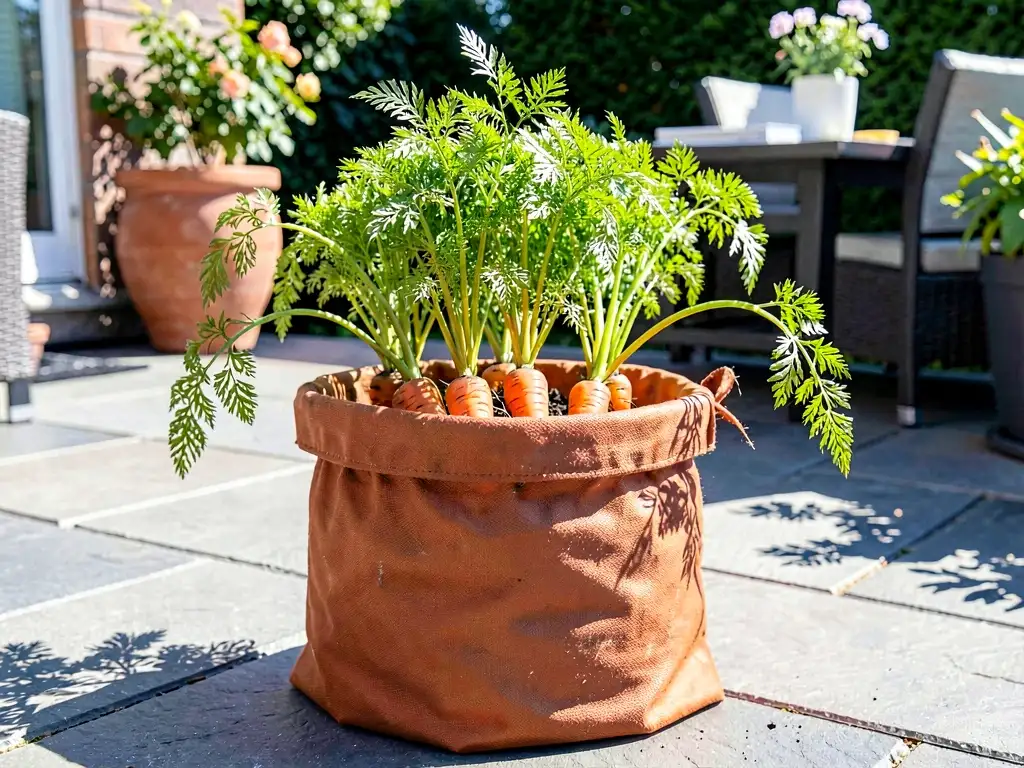
Yes, absolutely. Carrots grow beautifully in deep containers or raised beds, provided the soil is light, loose, and stone-free. Choose a shorter variety like ‘Paris Market’ or ‘Chantenay’ for shallower pots, and ensure you use a premium potting mix rather than dense garden soil.
Conclusion
Knowing exactly what to plant in March transforms your garden from an overgrown, end-of-summer jungle into a highly productive autumn sanctuary. By taking the time to clear out spent crops, deeply enrich your soil with compost and fertilizers, and strategically plant your brassicas, root crops, and alliums, you are setting yourself up for an abundant harvest throughout the darkest days of winter. Grab your trowel, prep those beds, and get planting—your future self will thank you when you’re harvesting fresh, crisp vegetables in July!

Leave a Reply