We use cookies to improve your experience, analyze traffic, and display personalized ads.
By clicking "Accept", you consent to the use of cookies in accordance with our Privacy Policy.
What to Plant in April: Your Complete Autumn Gardening Guide
If you are wondering exactly what to plant in April, you have arrived at the most critical transitional month of the gardening calendar. As the intense heat of summer fades and the crisp autumn air settles in, April presents a golden window of opportunity for gardeners. The soil still holds the accumulated warmth of summer, while increasing autumn rainfall provides the perfect, moist environment for rapid root establishment. Whether you are transitioning your raised beds for a robust winter vegetable harvest, laying the groundwork for a spectacular spring floral display, or finally putting those new citrus trees into the ground, April is the month where garden planning truly pays off.
In this comprehensive guide, we will walk you through exactly which vegetables, herbs, fruits, and flowers thrive when planted in April. We will break down regional climate considerations, provide step-by-step planting instructions, and outline the essential maintenance tasks required to safeguard your garden through the impending winter months.
To the uninitiated, spring is the season of planting. But to master gardeners and horticulturists, autumn—and specifically April—is the secret to an abundant, resilient garden. Here is why:
Optimal Soil Temperatures: While ambient air temperatures are dropping, soil acts as an insulator and retains summer heat. Seeds germinate quickly, and transplants establish their root systems rapidly before the winter dormancy period.
Reduced Pest Pressure: The life cycles of many devastating summer pests (like whitefly and certain caterpillars) begin to slow down or end in April.
Less Watering Intensity: With cooler days, evaporation rates plummet. A good drip irrigation system or standard watering routine goes much further, reducing water waste and plant stress.
Winter Readiness: Veggies planted now will mature slowly over winter, becoming sweeter and more tender thanks to the cold (especially true for brassicas and root crops).
Climate Considerations: Sowing for Your Specific Zone
Before you start digging, it is vital to understand how your local climate impacts your April planting schedule. What works in a subtropical zone may perish in a frost-prone valley.
Warm / Subtropical Regions
If you live in the upper reaches of the country where frosts are rare or nonexistent, April is your second spring. The oppressive humidity has passed, making it the perfect time to plant leafy greens that would otherwise bolt in the summer sun. You can still sneak in quick-maturing bush beans, and it is the ideal time to establish long-term crops like capsicums or even late tomatoes in sheltered, sun-drenched microclimates.
Temperate / Mild Regions
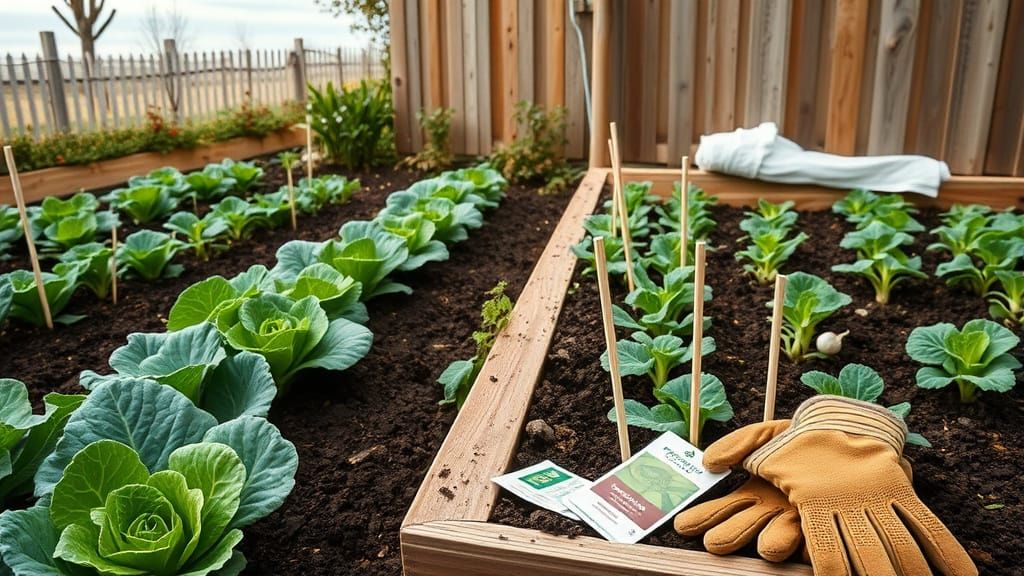
For most temperate gardeners, April is the textbook autumn planting month. Your primary focus should be on getting winter staples—like broccoli, cabbage, cauliflower, and root crops—into the ground immediately. The goal is to ensure they put on enough vegetative growth before the days become too short in mid-winter. .
Cool / Frost-Prone Regions
If you reside in a region where heavy frosts begin in late autumn, time is of the essence. You must pivot exclusively to frost-hardy crops like kale, garlic, broad beans, and overwintering onions. Use cloches, frost cloth, or cold frames to protect young seedlings, and consider starting more delicate crops indoors under full-spectrum grow lights before transplanting them into your raised beds.
The April Vegetable Garden: What to Plant Now
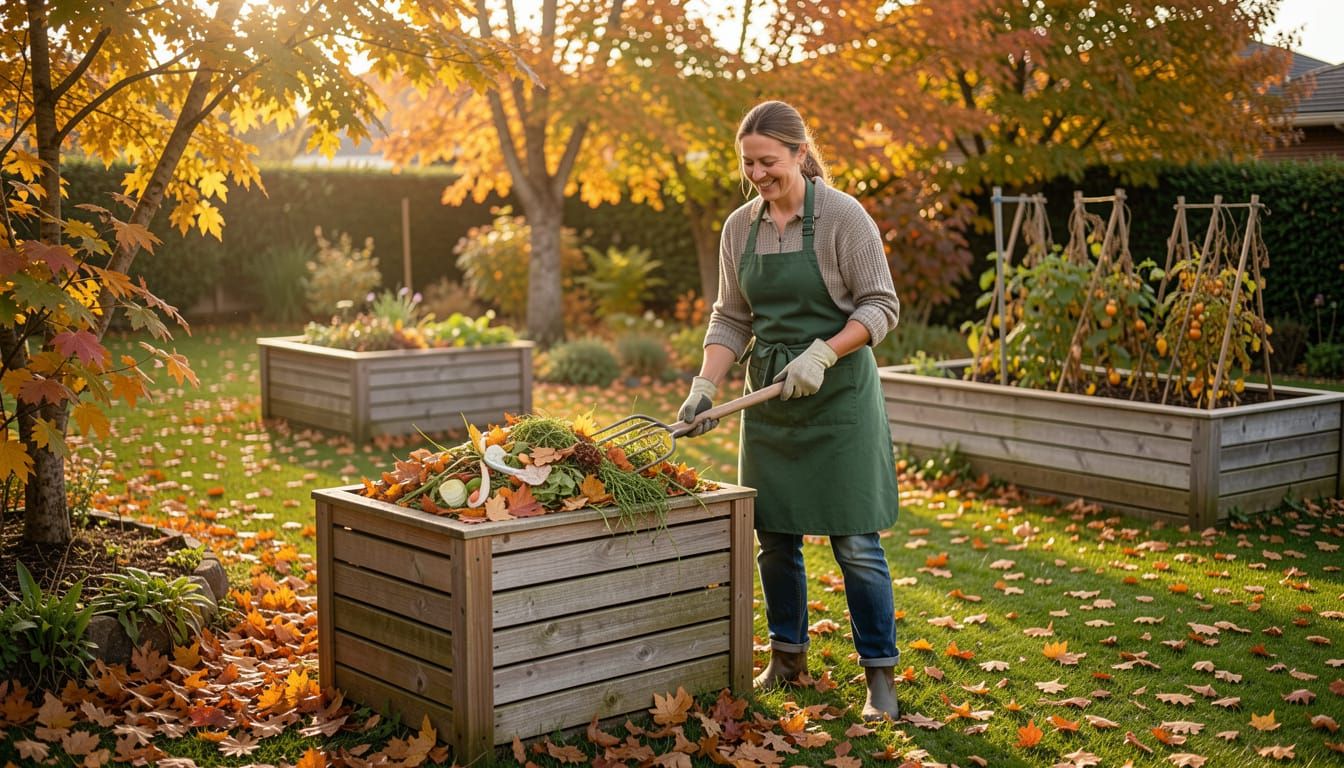
Transitioning your vegetable patch from summer producers to winter stalwarts is your biggest April project. Clear out the spent tomato vines, exhausted zucchini plants, and straggly cucumbers, and prep your soil with premium vegetable soil mix and a generous helping of compost.
1. Brassicas: The Winter Heavyweights
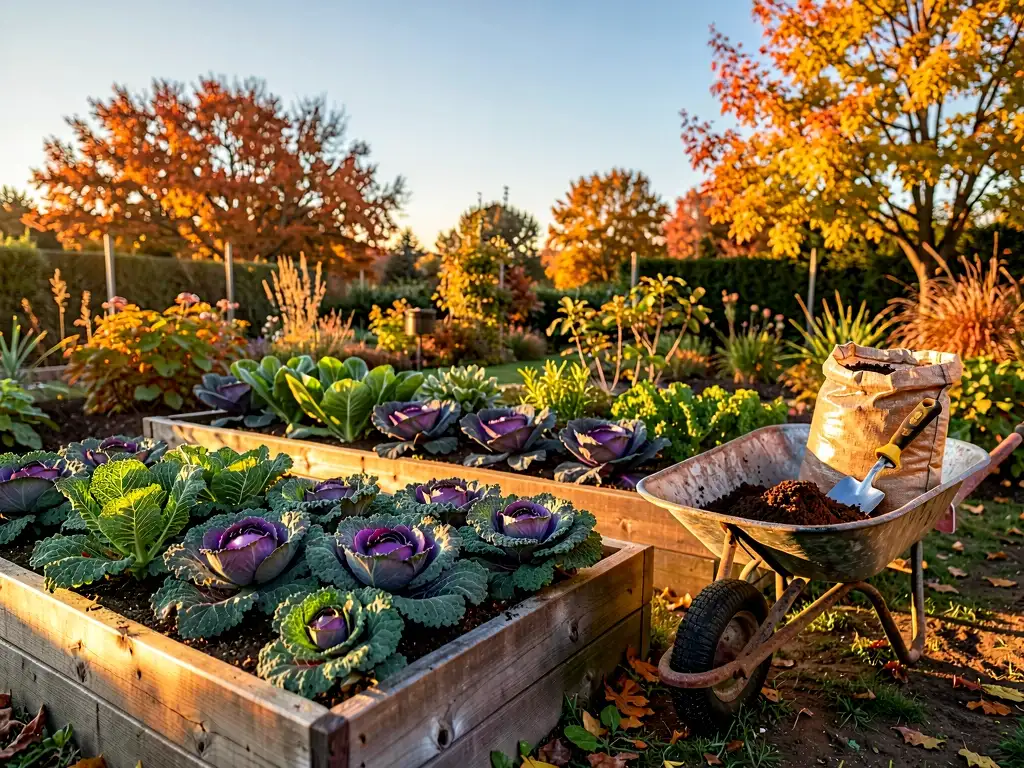
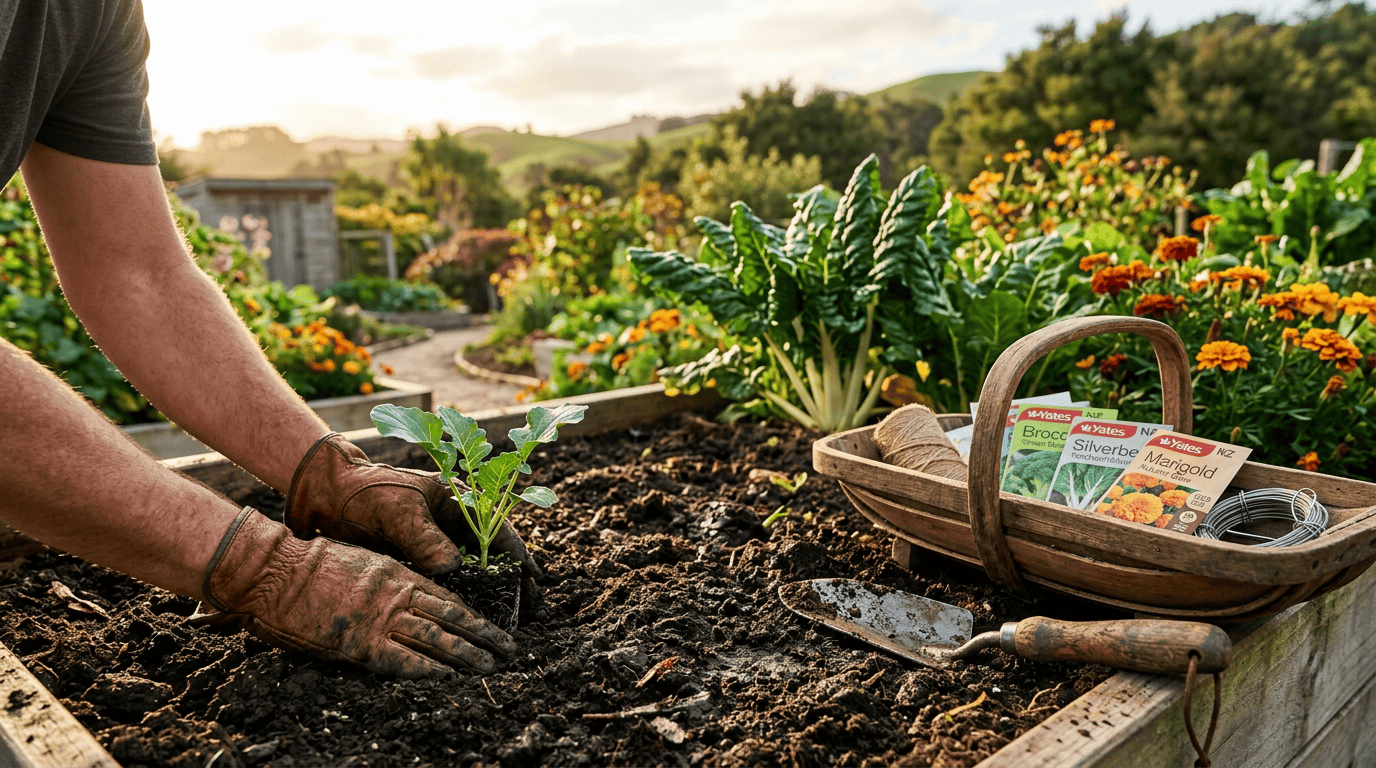
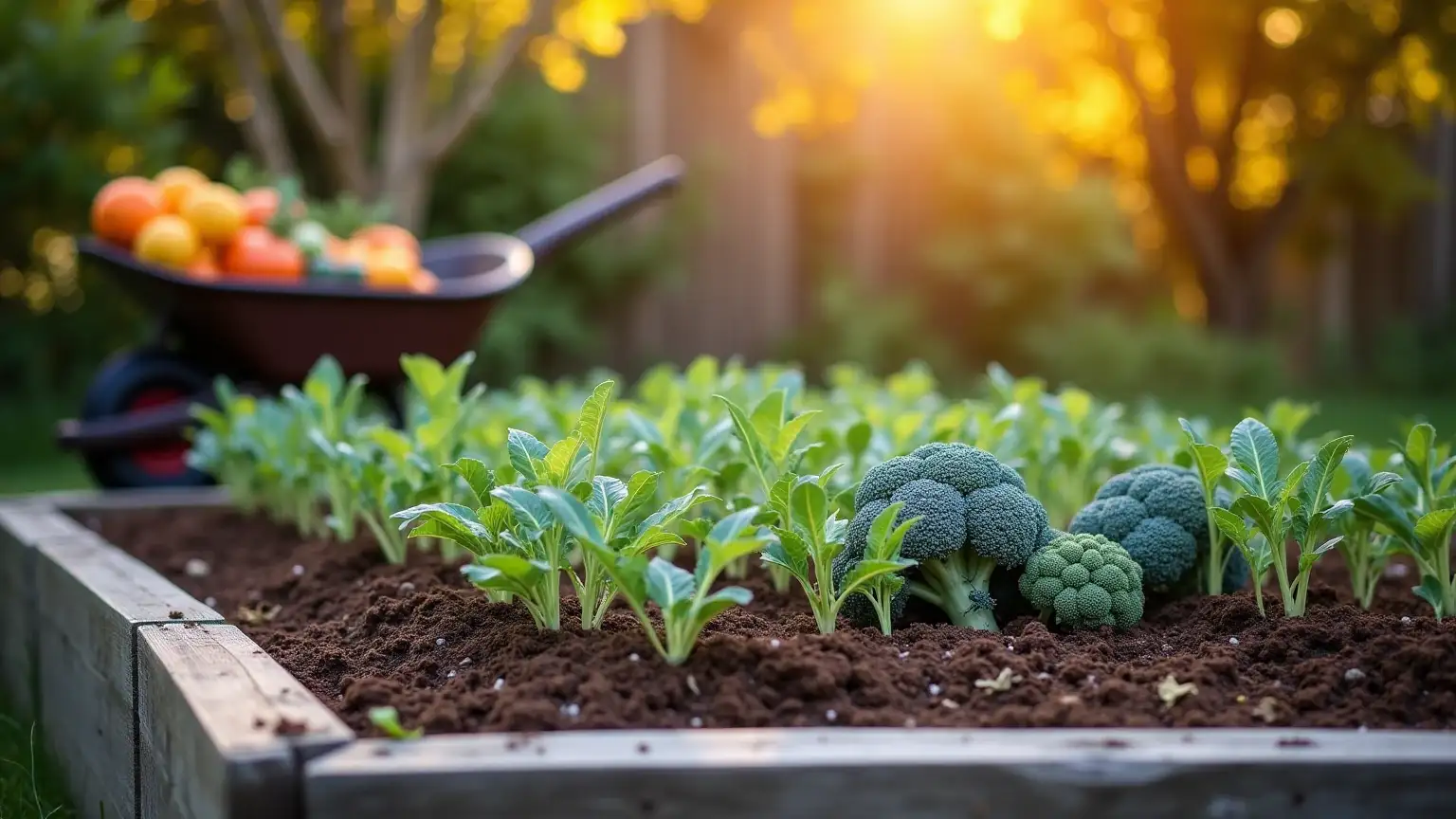
Broccoli, cauliflower, cabbage, Brussels sprouts, and kale (including cavolo nero) are the backbone of the winter garden. They require rich, firm soil to support their heavy heads. When planting, dig in plenty of organic matter and a balanced, slow-release fertilizer.
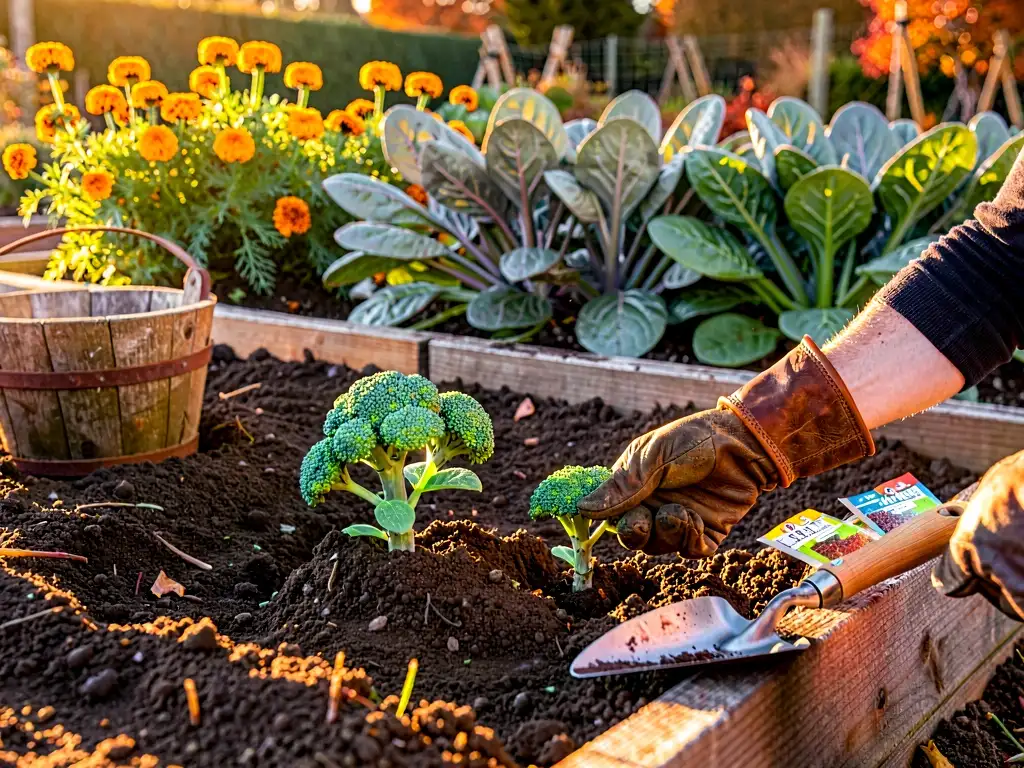
Pro Tip: Plant seedlings deep, right up to their first set of true leaves, to prevent them from becoming “leggy” and toppling over in winter winds. Ensure you rotate your brassicas to a bed that hasn’t hosted them for at least three years to prevent clubroot disease.
2. Leafy Greens and Salads
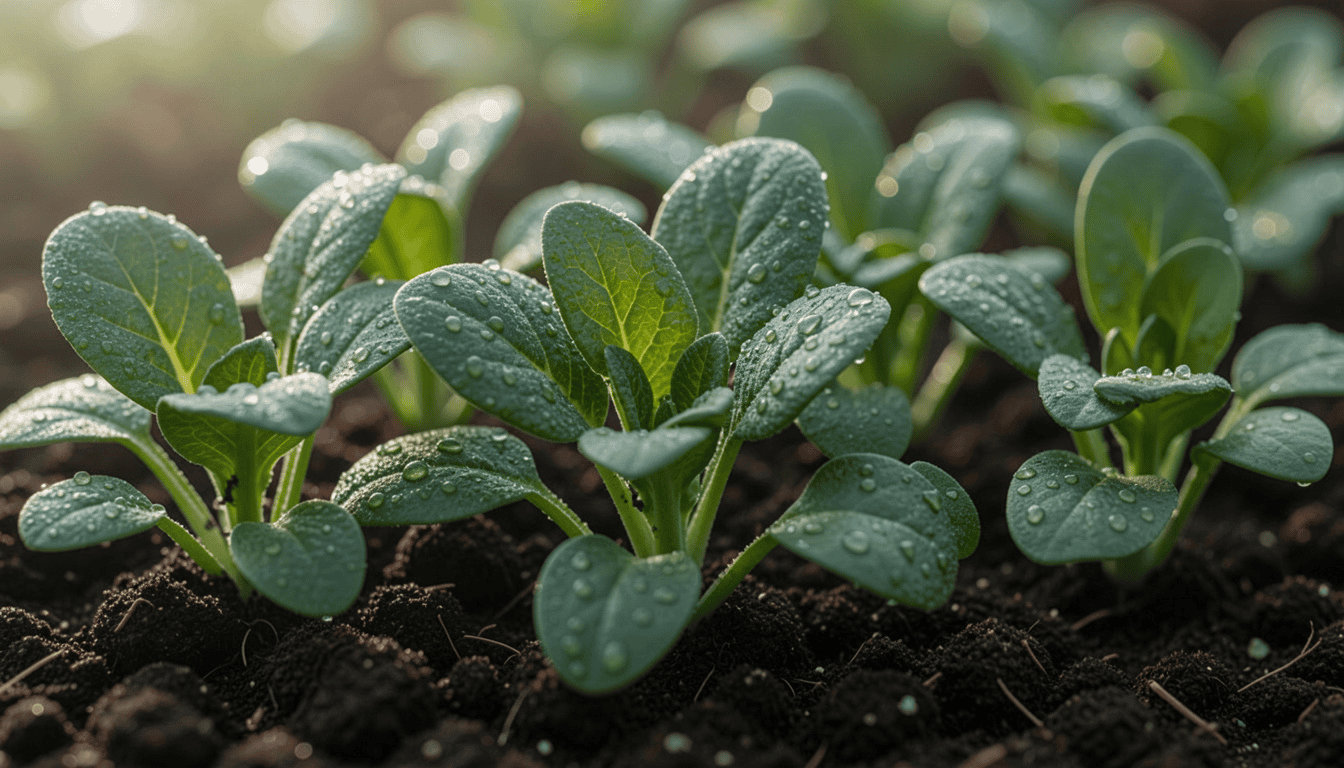
Say goodbye to bitter, heat-stressed lettuce. April is the time to sow seeds of spinach (varieties like Winter Queen thrive now), silverbeet (Swiss chard), rocket, and winter lettuces. You can sow these directly into the soil or into modular raised beds. Because they are fast growers, they benefit immensely from a liquid feed—an organic seaweed fertilizer applied every two weeks will keep the leaves lush and green.
3. Root Vegetables
Carrots, beetroot, radishes, and parsnips should be sown directly from seed into the garden, as they despise being transplanted. Ensure your soil is deeply dug and free of stones or hard clods, which will cause your root veggies to fork and split.
Carrots: Sow thinly in rows. Do not add fresh manure before planting, as this encourages excess hairy root growth.
Radishes: The ultimate instant-gratification crop. Sow a small row every two weeks for a continuous harvest.
4. Alliums: Garlic, Onions, and Leeks
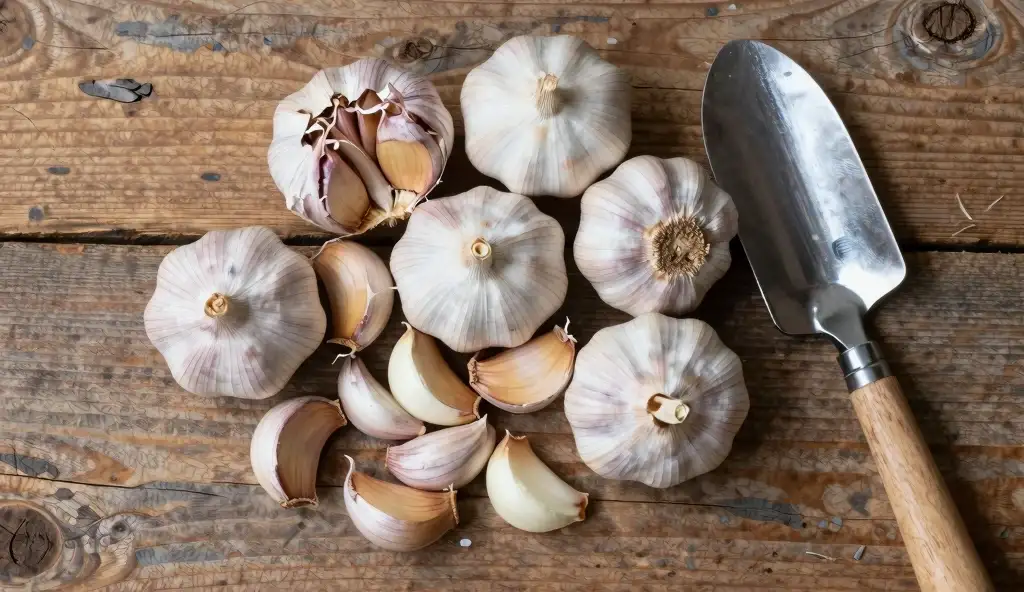
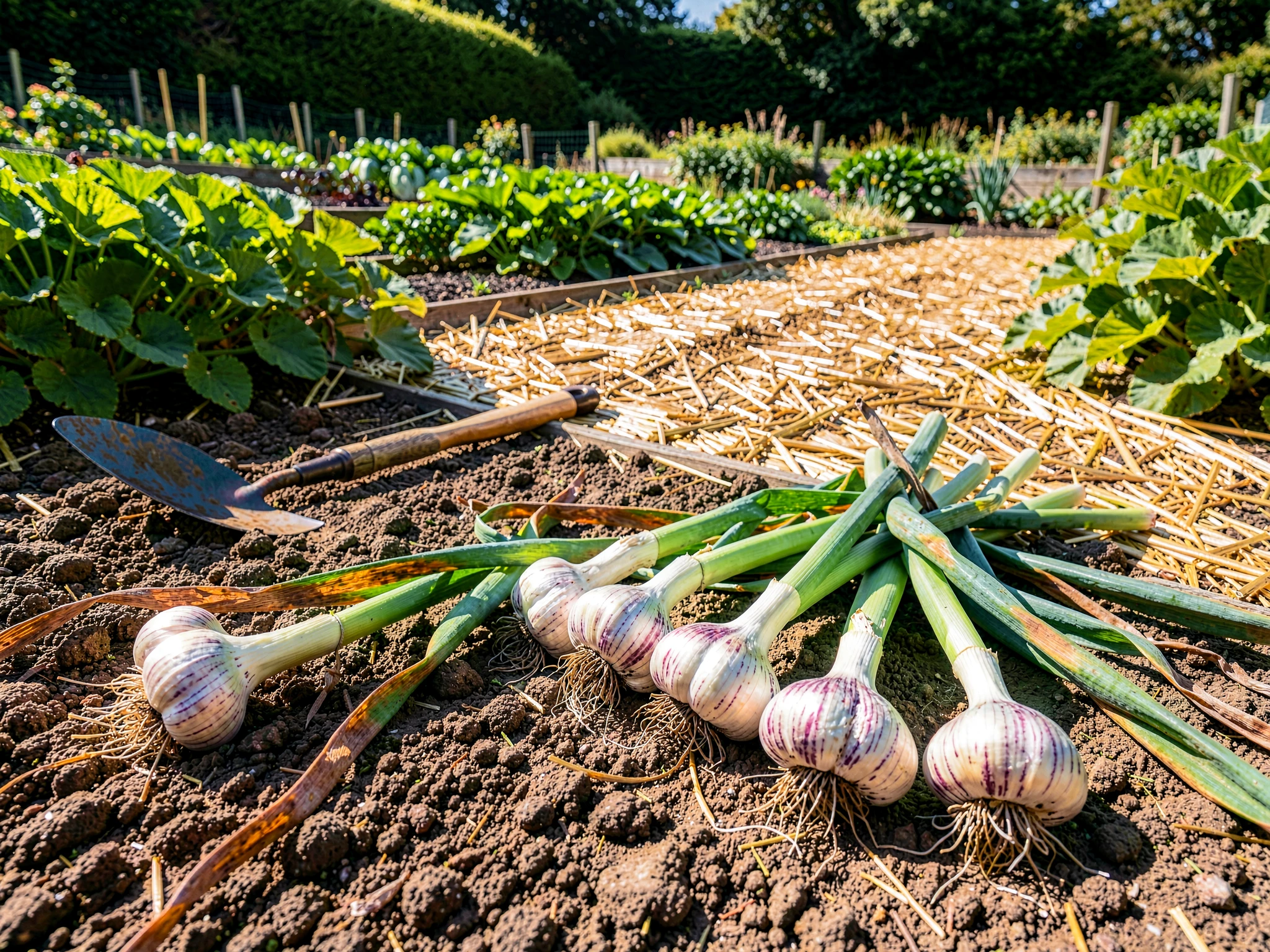
April is traditionally the optimal time to plant garlic. Break the garlic bulbs into individual cloves and plant them pointy-end up, about 2-5cm deep and 15cm apart. Choose a sunny, well-drained spot and prepare the soil with blood and bone or a quality dynamic fertilizer. Onions and leek seedlings should also be planted out now; they require a long, slow growing season to reach maturity by summer. (See our full How to Grow Garlic guide) .
5. Legumes: Broad Beans and Peas
Broad beans are incredibly tough and will happily grow through the coldest, most miserable winter weather. They also fix nitrogen in the soil, making them a fantastic green manure crop. Snow peas and shelling peas can also be sown now; provide them with a sturdy trellis or netting to climb.
April Vegetable Planting Calendar & Spacing Guide
Use this handy reference table to plan your garden layout and manage your expectations for winter yields.
Crop
Type (Seed vs Seedling)
Spacing
Sun / Soil Needs
Estimated Time to Harvest
Broccoli
Seedling
40-50cm
Full Sun / Rich, firm soil
10-14 weeks
Garlic
Cloves
15cm
Full Sun / Well-drained
7-8 months (Harvest in Summer)
Spinach
Seed or Seedling
20cm
Part to Full Sun / High Nitrogen
6-8 weeks (Baby leaves earlier)
Carrots
Seed (Direct sow)
Thin to 5cm
Full Sun / Deep, loose, unmanured soil
12-16 weeks
Broad Beans
Seed (Direct sow)
20cm
Full Sun / Sturdy support required
15-20 weeks
Leeks
Seedling
15cm
Full Sun / Deep, rich soil
16-20 weeks
The April Herb Garden
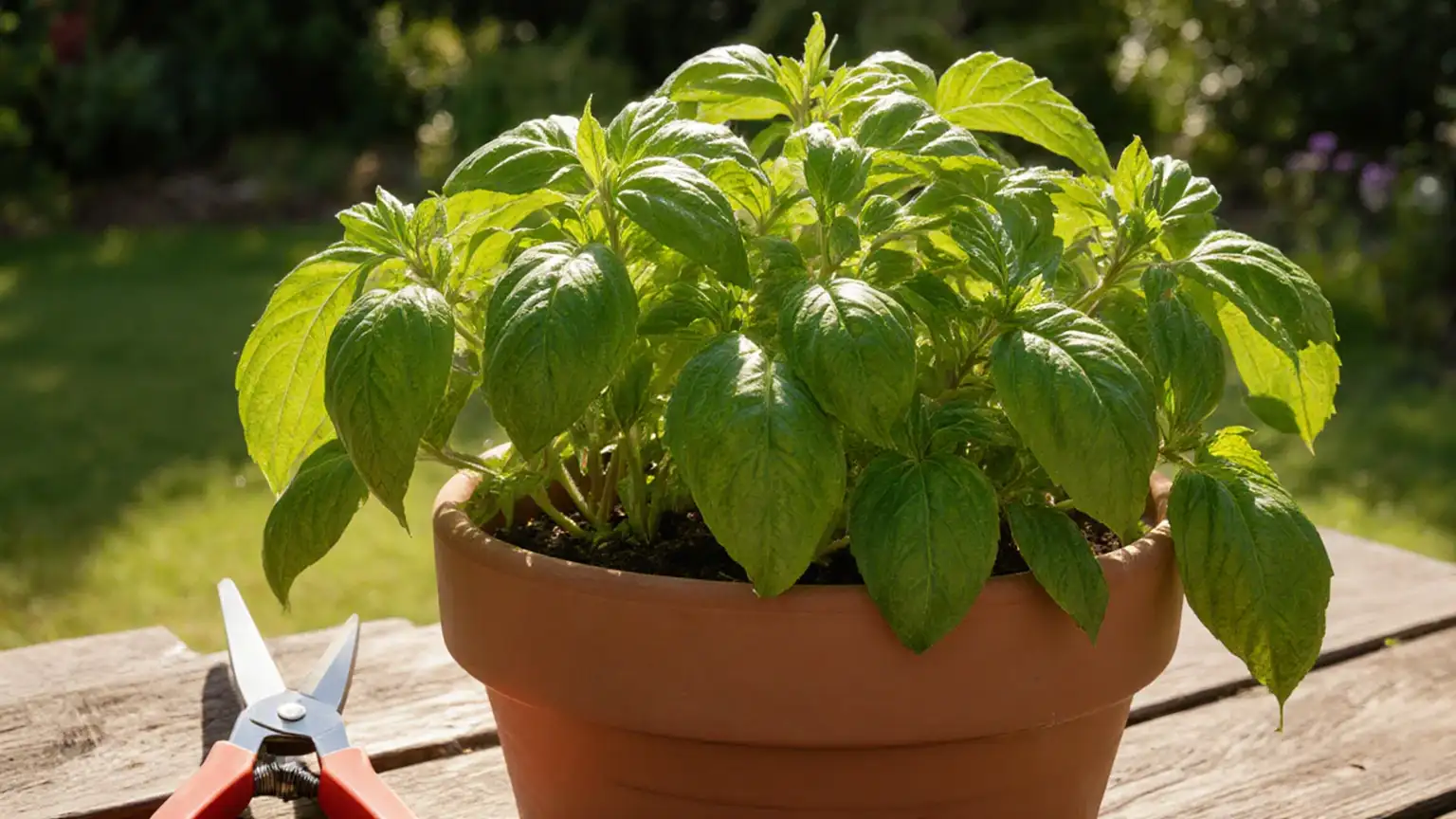
While basil and other soft summer herbs are surrendering to the cold, autumn is the perfect time to establish hardy perennial herbs and cool-season favorites.
Coriander: If you struggle with coriander bolting (going to seed) in the summer, try growing it now. It loves the cooler autumn temperatures and will produce thick, bushy foliage.
Parsley: Plant both curly and flat-leaf varieties. They will slow down in the depths of winter but will provide a continuous harvest if planted in April.
Rosemary, Sage, and Thyme: These Mediterranean woody herbs can be planted now. Ensure they are placed in exceptionally well-draining soil—wet winter feet will kill them faster than the cold. Consider planting them in terracotta pots filled with a gritty potting mix if your garden soil consists of heavy clay.
Fruit Trees: Time for Citrus
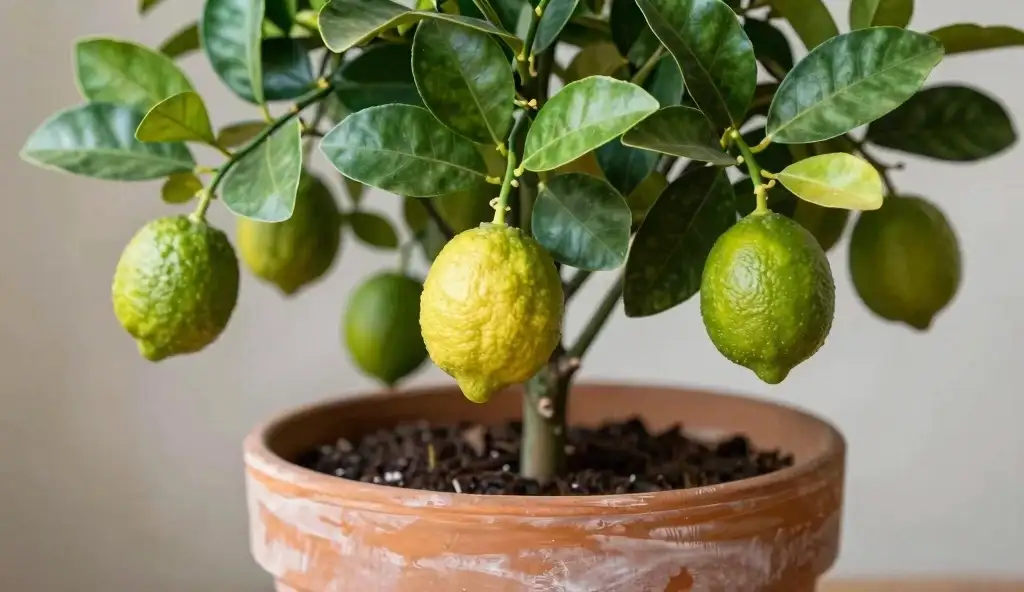
April is widely considered the best month of the year to plant evergreen fruit trees, with citrus being the absolute star of the show. Lemons, limes, mandarins, and oranges planted now have the entire winter to settle their root systems before they are called upon to produce spring growth and flowers.
How to Plant a Citrus Tree
Choose the Right Spot: Citrus trees demand full sun (at least 6-8 hours a day) and shelter from harsh, prevailing winds.
Prepare the Hole: Dig a hole twice as wide as the root ball but exactly the same depth. Never bury the trunk deeper than it was in its nursery pot, as this leads to collar rot.
Improve the Soil: Mix compost and a specialized citrus fertilizer into the backfill soil. If your soil is heavy clay, plant the tree on a raised mound to guarantee drainage.
Water and Mulch: Soak the plant in an organic seaweed tonic before planting to prevent transplant shock. After planting, water deeply and apply a thick layer of high-quality mulch, keeping it at least 5cm away from the trunk.
The April Flower Garden: Preparing for Spring Colour
To enjoy a riot of colour in early spring, the groundwork must be laid in April. This is the prime month for two major floral tasks: planting spring-flowering bulbs and setting out cool-season annuals.
Planting Spring Bulbs
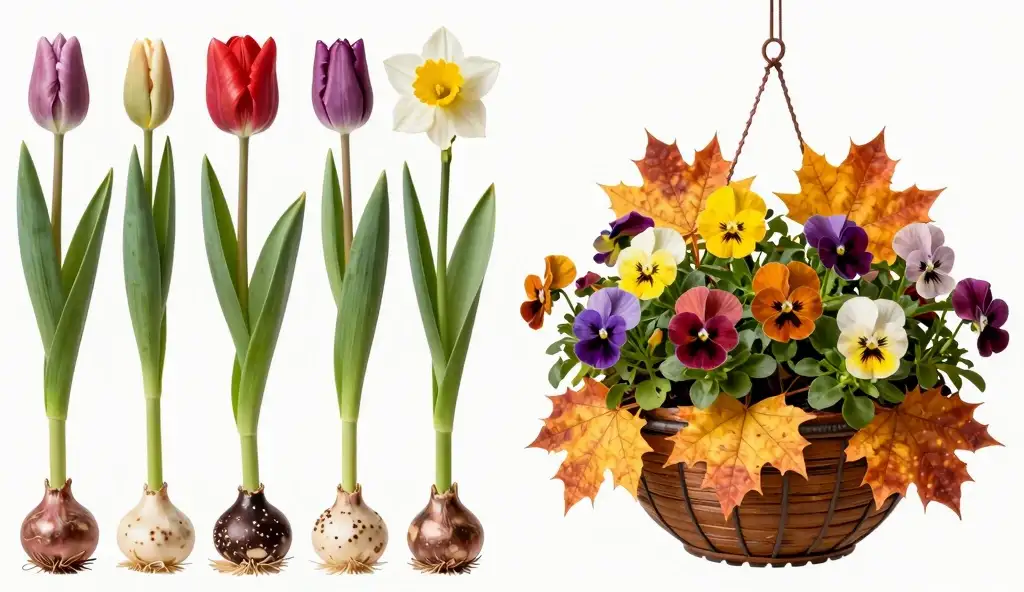
Daffodils, tulips, freesias, hyacinths, and crocuses should be finding their way into your soil or containers now. When planting bulbs, the general rule of thumb is to plant them at a depth equal to twice their height. Incorporate a specific bulb food into the soil to ensure large, vibrant blooms. If you are planting in pots, ensure you use a premium, free-draining potting mix.
Autumn and Winter Annuals
Do not let your garden look barren over winter. Pull out decaying summer annuals like marigolds and petunias, and replace them with cold-hardy varieties.
Pansies and Violas: Incredibly tough and available in every color imaginable. They look brilliant in hanging baskets or bordering garden pathways.
Polyanthus and Primula: Perfect for shadier spots under deciduous trees.
Sweet Peas: Sow sweet pea seeds now in a sunny position against a trellis. Autumn sowing allows them to develop deep root systems, resulting in taller plants and earlier, more prolific flowers in spring.
Essential April Garden Maintenance
Planting is only half the battle. April is a pivotal month for garden hygiene and maintenance to set your yard up for winter resilience.
1. Soil Preparation and Mulching
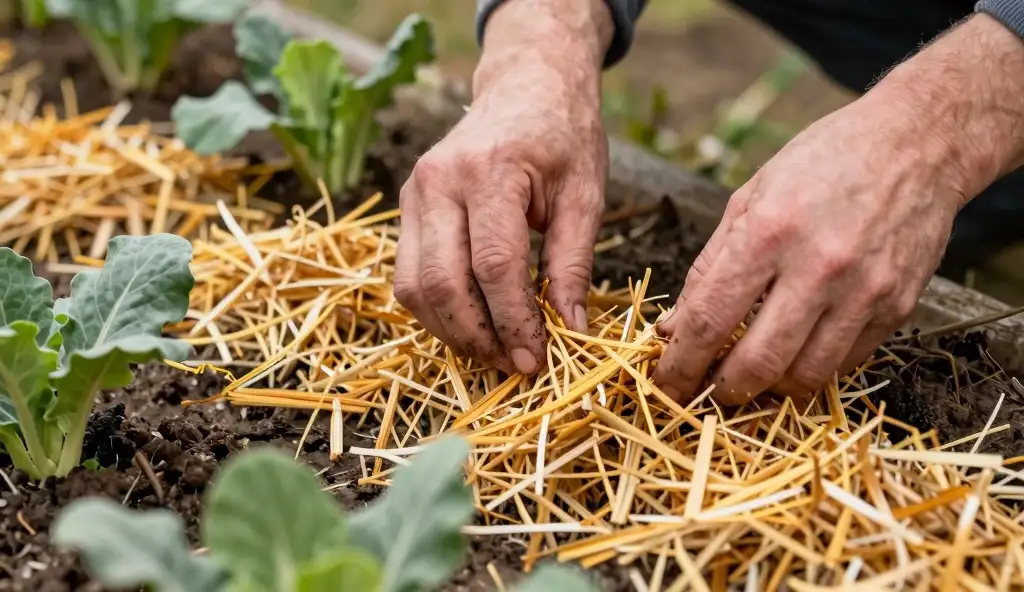
As you clear garden beds, do not leave the soil bare. Bare soil degrades quickly under heavy winter rains. Top up your beds with organic compost, well-rotted manure, and sheep pellets. Follow this up with a thick layer of mulch (like pea straw or bark). Mulch suppresses winter weeds, retains soil warmth, and slowly breaks down to feed the soil food web.
2. Pest and Disease Control
With autumn rain comes the invasion of slugs and snails. They will decimate freshly planted brassica seedlings overnight. Lay down organic, pet-safe slug bait, or utilize beer traps to protect your leafy greens. Additionally, check your citrus and ornamental plants for late-season aphids, whitefly, and scale insects; treat them with a horticultural oil or insecticidal soap before winter sets in.
3. Lawn Care and Repair
April is the single best month for sowing a new lawn or repairing bare patches in an existing one. The soil is still warm enough for fast seed germination, but the autumn rains mean you won’t have to water constantly. Mow your existing lawn on a slightly higher setting to leave more leaf area, which helps the grass photosynthesize effectively during shorter winter days. Apply an autumn-specific lawn fertilizer to promote strong root growth rather than soft, leafy top growth.
5 Beginner Mistakes to Avoid in April
Even seasoned gardeners can get caught out during the autumn transition. Avoid these common pitfalls:
Forgetting to Rotate Crops: Planting winter brassicas in the exact same spot where summer brassicas or last winter’s cabbages grew is a recipe for soil-borne diseases. (See our full crop rotation guide).
Overwatering: As temperatures drop, plants use less water. Continuing a high-frequency summer watering schedule will lead to root rot and fungal issues. Always check soil moisture with your finger before irrigating.
Ignoring Microclimates: Planting frost-sensitive plants at the bottom of a slope (where cold air pools, creating a ‘frost pocket’) will result in plant death. Keep sensitive plants elevated or close to brick walls that radiate heat.
Skipping the Seaweed: Seaweed tonic is not a fertilizer; it is a health tonic that thickens plant cell walls, making seedlings drastically more resistant to cold snaps and transplant shock. Use it liberally in April.
Planting Summer Seeds: Do not be tempted by leftover seeds of tomatoes, cucumbers, or basil. Unless you have a heated greenhouse and specialized grow lights, they will fail. Stick strictly to the autumn/winter planting list.
Frequently Asked Questions About April Gardening
Can I still plant tomatoes in April?
In most regions, no. Tomatoes are heat-loving plants that will succumb to cold temperatures and blight as autumn progresses. The only exception is if you live in a truly frost-free, tropical microclimate or are growing them in a heated greenhouse.
Why are my newly planted broccoli seedlings turning purple?
A purple tinge on brassica leaves in autumn is typically a sign of phosphorus deficiency. However, this is often caused by cold soil temperatures locking up the nutrients, rather than an actual lack of phosphorus in the soil. A liquid feed of fish emulsion or seaweed extract can help them through this cold transition.
How late is too late to plant garlic?
While April is the optimal time, you can technically plant garlic right through until the Winter Solstice (late June in the Southern Hemisphere). However, April-planted garlic will have a significant head start, resulting in larger, more robust bulbs come harvest time.
Should I prune my fruit trees in April?
You can lightly prune stone fruit (like peaches, plums, and nectarines) immediately after they finish fruiting to remove dead or diseased wood. However, major structural winter pruning for apples and pears should be held off until the trees are fully dormant in mid-to-late winter.
What is a green manure crop, and should I plant one now?
If you have empty garden beds that you do not intend to use over winter, sow a green manure crop like mustard, lupin, or oats in April. These plants cover the soil, suppress weeds, and pull nutrients deep from the earth. In early spring, you chop them down and dig them into the soil, massively boosting the organic matter content.
Conclusion
Knowing what to plant in April takes the guesswork out of autumn gardening and sets you up for months of continuous harvests. By shifting your focus from summer survivors to hardy winter brassicas, root vegetables, robust herbs, and spectacular spring bulbs, you ensure your garden remains a vibrant, productive sanctuary year-round. Get your hands dirty, prep that soil with quality compost, and embrace the cooler weather. The efforts you put into your garden this April will reward you ten-fold when the bleakest days of winter arrive, and your dinner plate is still overflowing with homegrown goodness. Happy planting!

Leave a Reply