We use cookies to improve your experience, analyze traffic, and display personalized ads.
By clicking "Accept", you consent to the use of cookies in accordance with our Privacy Policy.
The Ultimate Crop Rotation Guide: Boost Yields and Rebuild Soil Naturally
If you have noticed declining harvests or a sudden increase in garden pests, you are certainly not alone. Many gardeners overlook one of the simplest and most effective methods for long-term garden health. This comprehensive crop rotation guide will teach you how to systematically move your plant families season after season, completely transforming your soil ecosystem. By understanding exactly which crops to plant and when, you can naturally break pest and disease cycles, balance your soil’s nutrient profile, and enjoy significantly larger, healthier yields without relying on harsh chemical interventions.
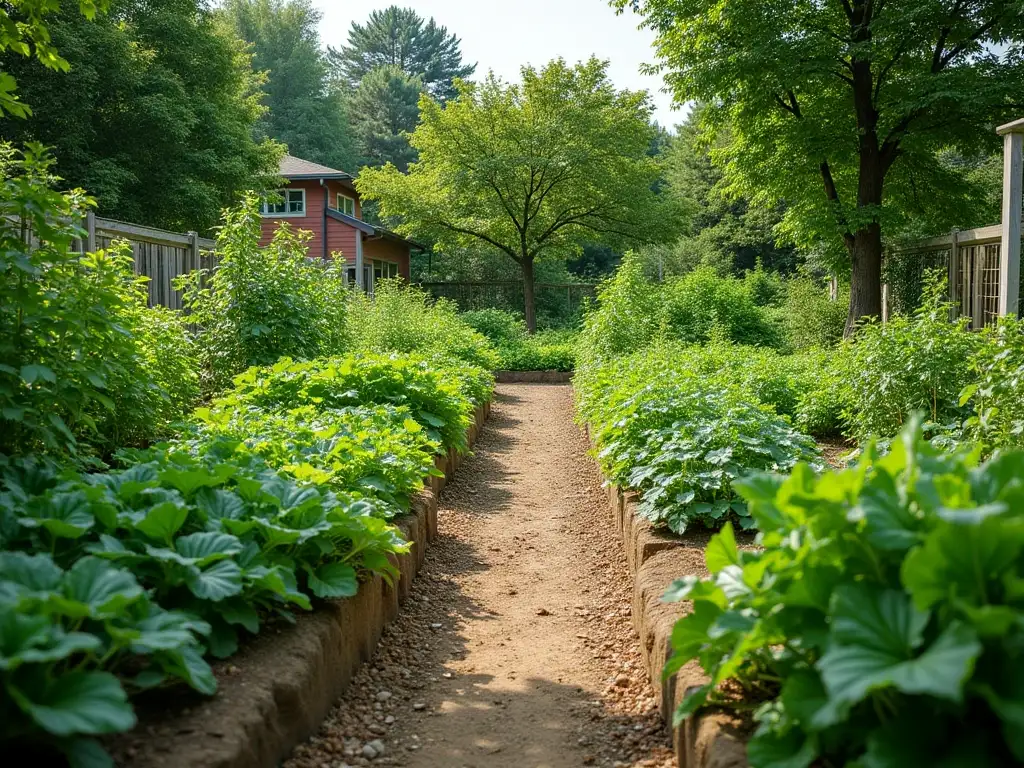
Whether you are managing a few compact raised beds or a sprawling backyard plot, implementing a structured rotation plan is the cornerstone of sustainable horticulture. Let’s dive into exactly how to set up your garden’s rotation, what crops to group together, and how to avoid the common pitfalls that trip up beginners.
Why You Need a Crop Rotation Guide for a Thriving Garden
Growing the exact same plants in the same location year after year rapidly depletes the soil of specific nutrients and creates a perfect breeding ground for targeted pests and diseases. For instance, heavy feeders like corn and tomatoes will quickly drain your soil of essential nitrogen and phosphorus. If you plant them in the identical spot next spring, they will inevitably struggle to thrive and become highly susceptible to blight.
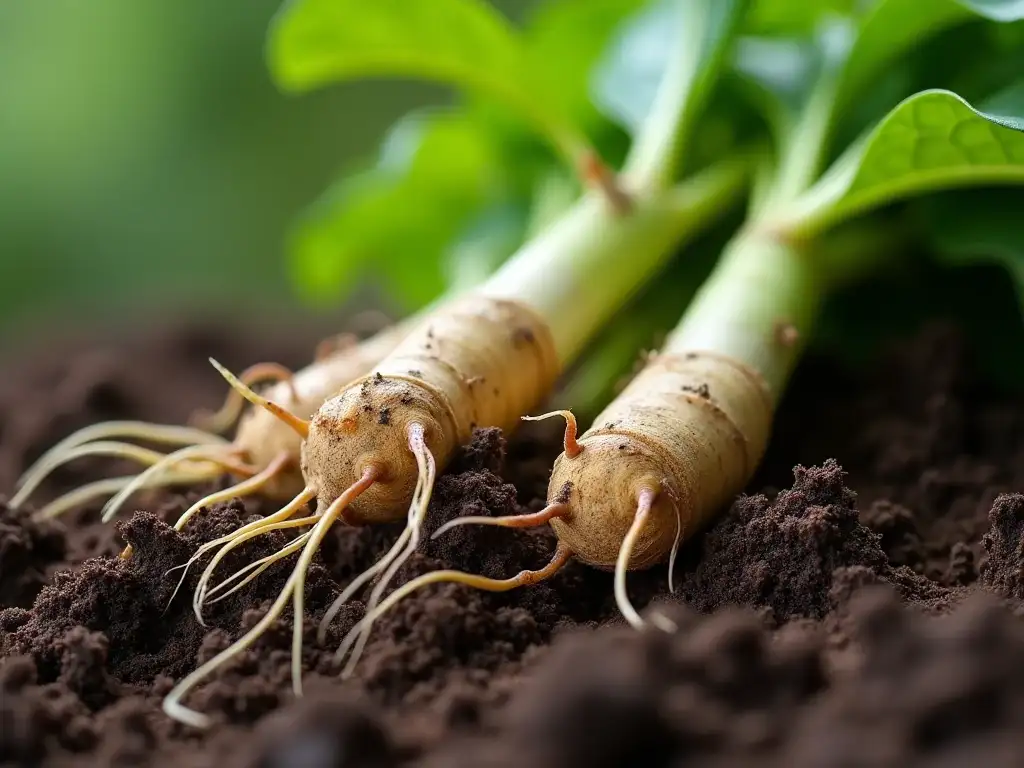
Crop rotation solves this problem by taking advantage of different plant root depths and nutritional requirements. Deep-rooted crops like carrots naturally break up compacted soil layers, making way for shallow-rooted greens the following season. Furthermore, alternating plant families completely disrupts the life cycles of soil-borne pathogens and pests that overwinter in the garden waiting for their preferred host to return.
How Crop Rotation Works: The Science of Soil Health
Different plant families interact with the soil microbiome in highly unique ways. Legumes, such as peas and runner beans, have a symbiotic relationship with Rhizobium bacteria that physically fix atmospheric nitrogen directly into the soil. Following a heavy-feeding crop with a nitrogen-fixing legume naturally replenishes the earth without artificial inputs.
By rotating crops strategically, you essentially allow the soil to rest and recover from the intense demands of the previous season. This age-old method drastically reduces your reliance on synthetic fertilizers and actively promotes a robust, biologically active soil environment teeming with earthworms and beneficial microorganisms.
Step-by-Step Setup Instructions for Your Rotation Plan
Establishing a permanent crop rotation system is far easier than it sounds. You simply need a bit of strategic planning before you start sowing your premium organic seeds for the upcoming season.
Step 1: Divide Your Growing Space
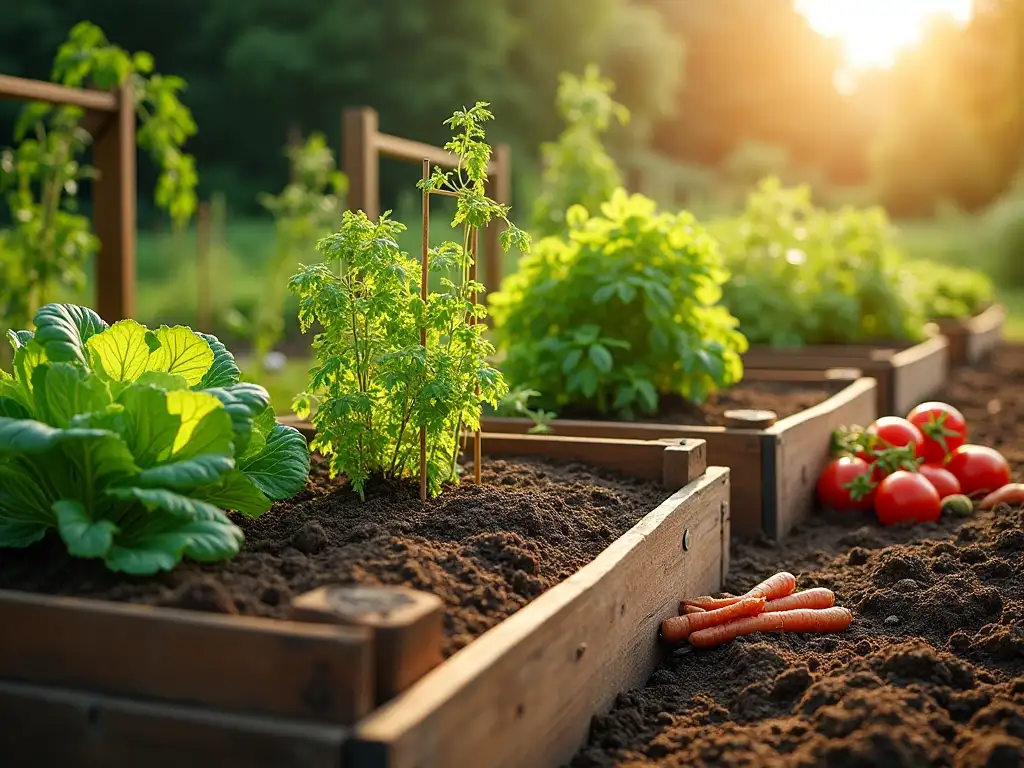
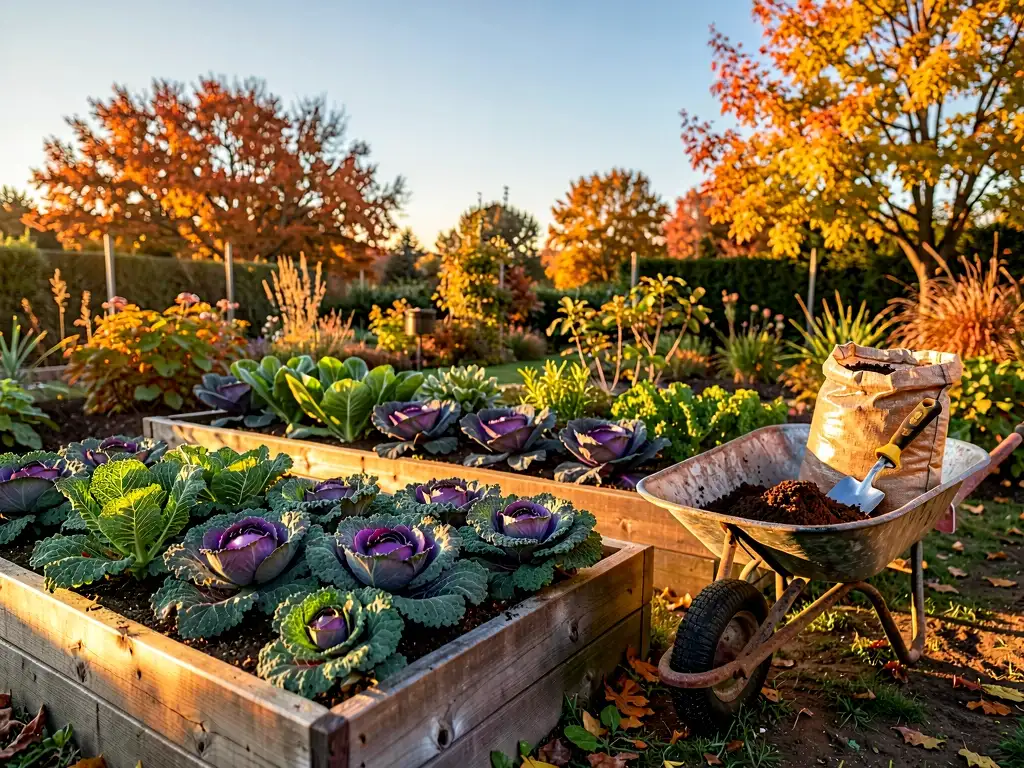
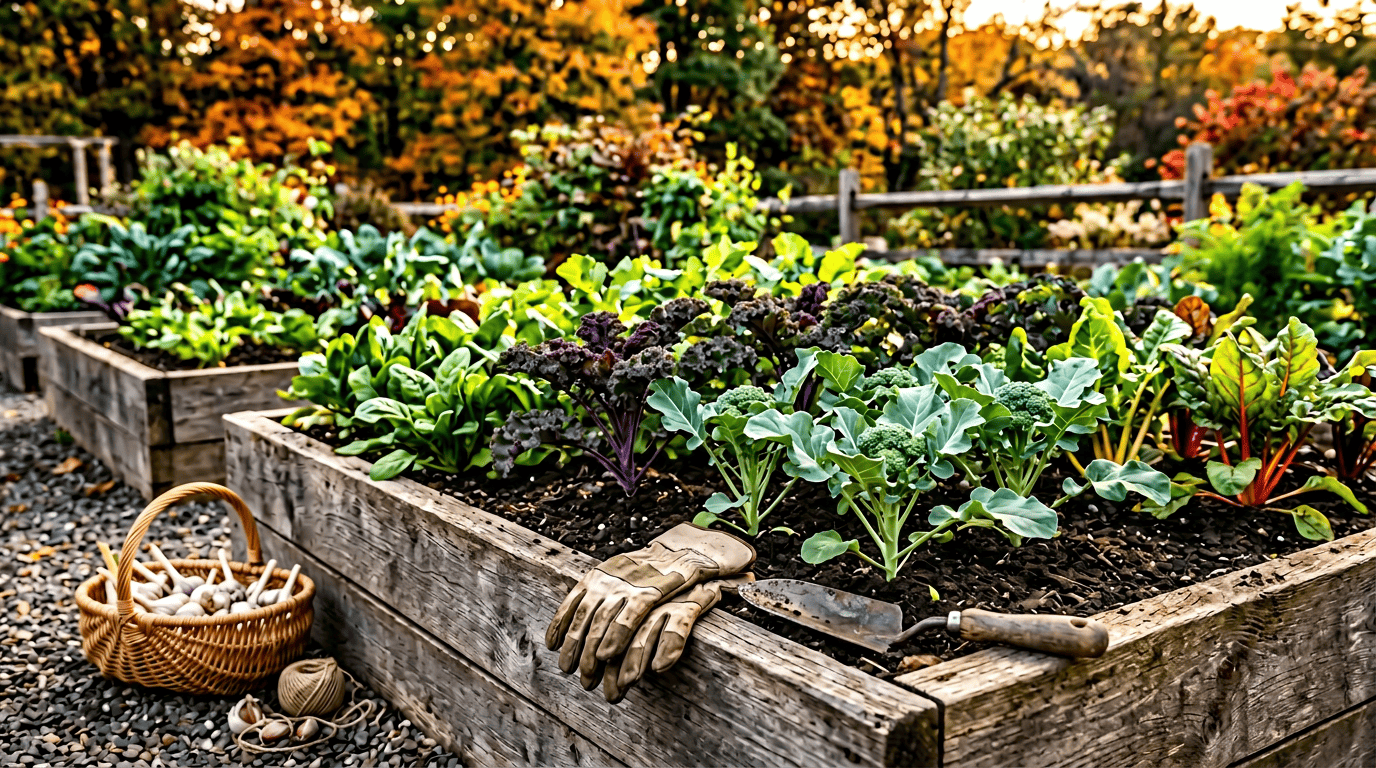
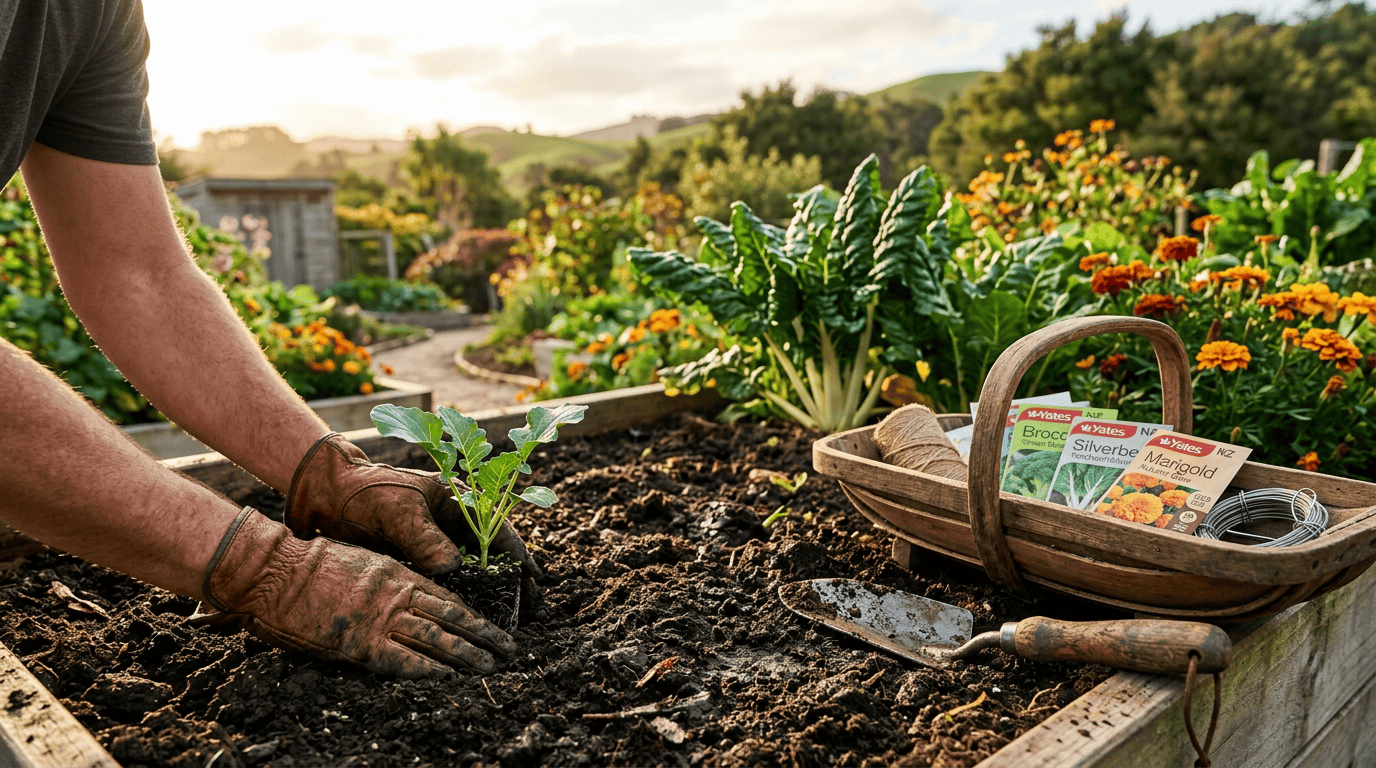
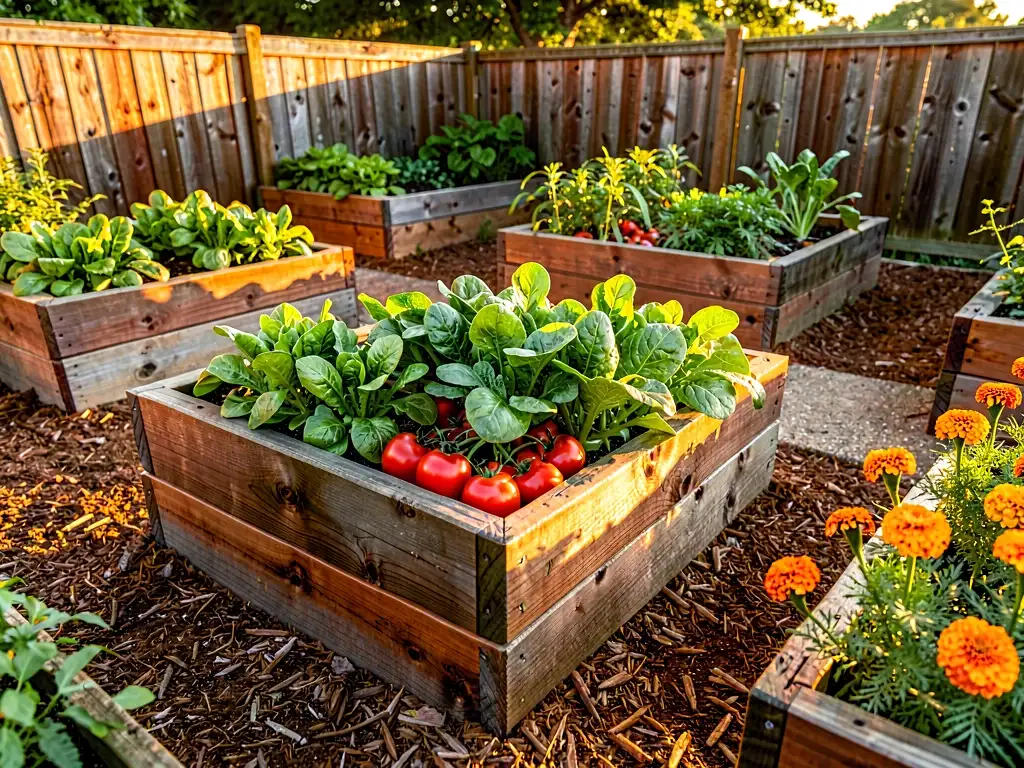
Start by dividing your garden into distinct zones or growing areas. A classic four-year rotation requires four separate areas of roughly equal size. If you are using raised beds, dedicate each individual bed to a specific stage of the cycle. Investing in high-quality raised beds can make defining and managing these zones incredibly straightforward.
Step 2: Group Your Plants by Family
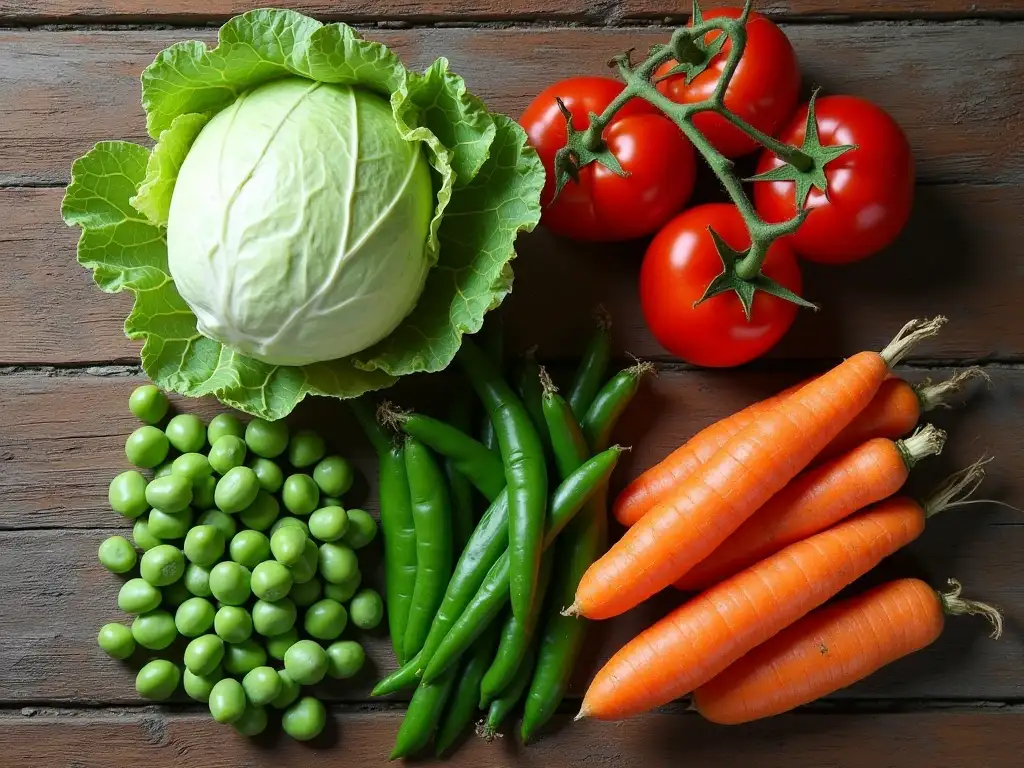
Group all of your vegetables according to their botanical families and nutritional requirements. The most common groups are Brassicas (cabbage, broccoli), Legumes (peas, beans), Alliums and Roots (onions, carrots), and Solanaceae or Fruiting crops (tomatoes, peppers, potatoes). Keeping these families together ensures they receive the targeted organic fertilizers they need without accidentally overfeeding the rest of your garden.
//–>
Step 3: Map Out the Sequence
Create a physical or digital map of your garden and decide the strict order of your rotation. A highly recommended standard sequence is: Legumes to fix nitrogen, followed by Brassicas which are heavy nitrogen feeders, followed by Fruiting crops, and ending with Roots and Alliums which prefer less nitrogen.
Ideal Crop Groups for a 4-Year Rotation
Understanding plant families is absolutely critical for any practical crop rotation guide. Use this table to plan your seasonal shifts effectively.
Group
Key Plants
Nutritional Need & Soil Role
Next Group to Follow
1. Legumes
Peas, Green Beans, Broad Beans
Fixes nitrogen into the soil; improves general fertility.
Brassicas
2. Brassicas
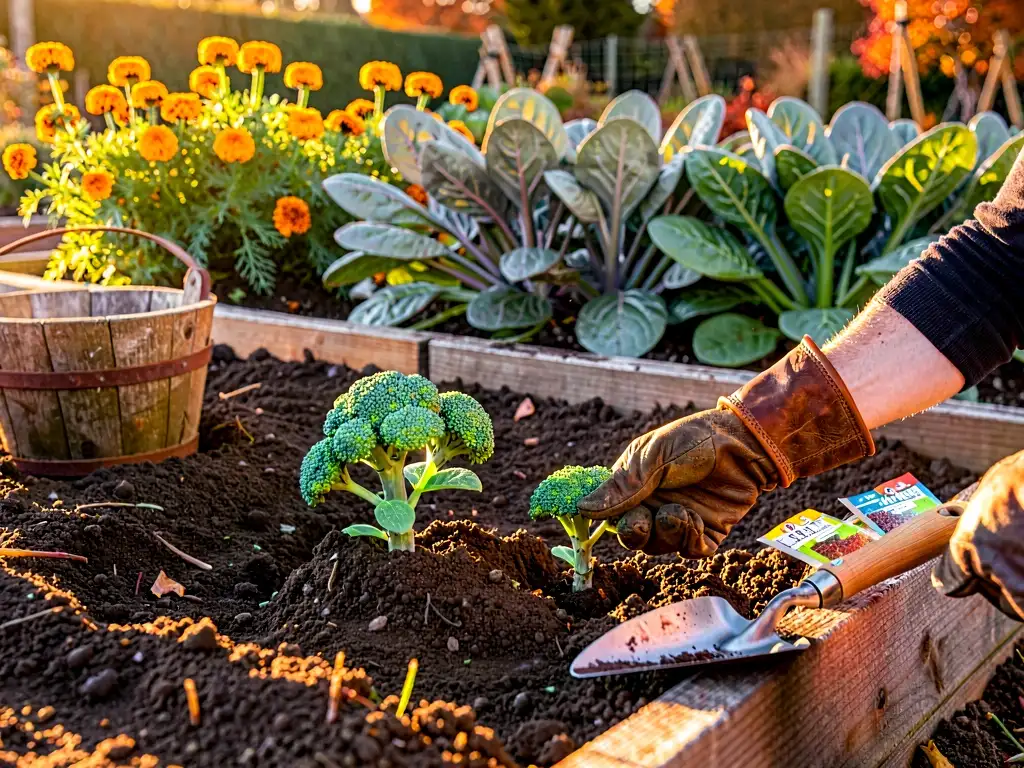
Cabbage, Broccoli, Kale, Cauliflower
Heavy feeders; require high nitrogen levels to produce leafy growth.
Solanaceae (Fruiting Crops)
3. Solanaceae
Tomatoes, Potatoes, Peppers, Eggplant
Heavy feeders; need rich compost, calcium, and phosphorus.
Roots & Alliums
4. Roots & Alliums
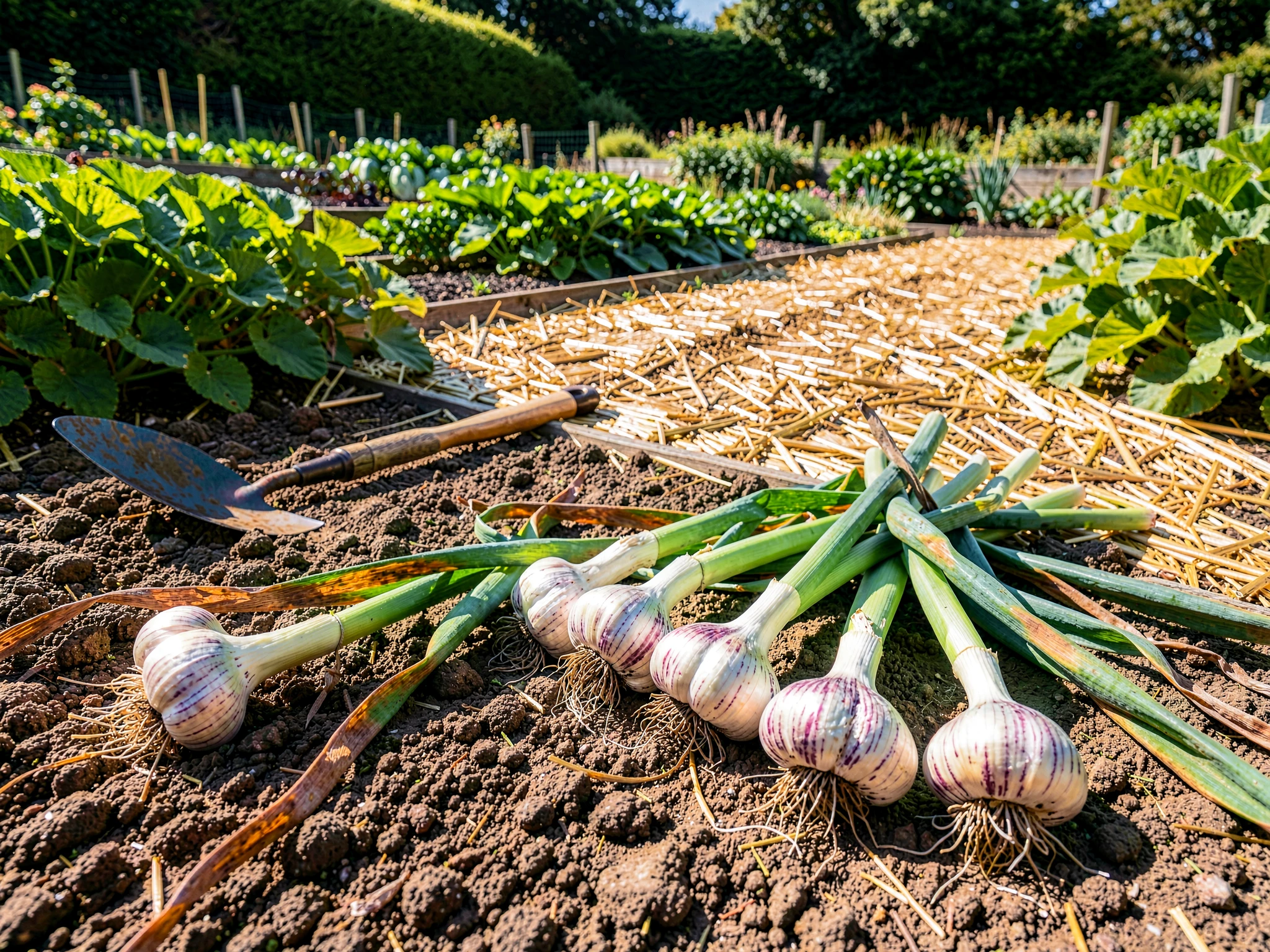
Carrots, Onions, Garlic, Radishes, Beets
Light feeders; prefer loose soil with lower nitrogen content.
Legumes (Start cycle over)
Cost Considerations and Necessary Gear
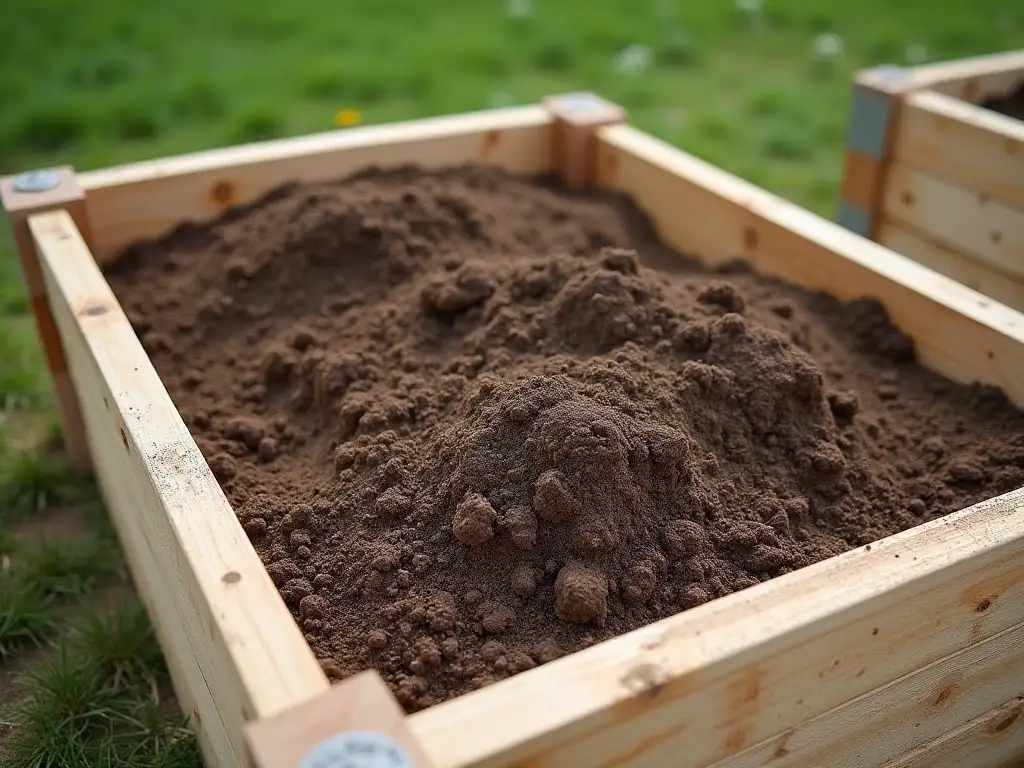
The true beauty of crop rotation is that it is fundamentally a free agricultural technique. However, optimizing your garden for an effortless rotation may require some initial upfront investment. Establishing permanent, dedicated growing zones is much easier when utilizing durable raised beds.
You will also want to stock up on fresh, disease-free soil mixes and specific organic fertilizers tailored to each plant group’s unique needs. For example, keeping a balanced organic fertilizer on hand for your heavy feeders, alongside specific inoculants for your legumes, will maximize the benefits of your rotation cycle. Investing in reliable irrigation systems, such as automated drip lines, is also exceptionally wise, as it allows you to adjust your watering zones seamlessly as crops move from bed to bed.
Pros and Cons of Crop Rotation
While this method is universally recommended by professional agronomists, it is important to understand the full picture before overhauling your entire garden layout.
Pros
Cons
Naturally reduces pests and breaks soil-borne disease cycles.
Requires careful upfront planning and diligent record-keeping.
Significantly improves soil structure and long-term fertility.
Can be difficult to implement in very small or confined gardens.
Drastically reduces the need for synthetic chemical fertilizers.
Some crop families take up much more physical space than others.
Optimizes root depth usage across different growing seasons.
Requires strict discipline when planting out spring seedlings.
Climate Considerations: Adapting to Your Region
Your local climate directly dictates the length of your growing season and exactly how quickly you can move through a full rotation cycle.
Cool Climates: Gardeners in cooler zones with shorter growing windows might only manage one main crop per bed per year. Focus heavily on winter cover crops (like winter rye or mustard) to protect your soil from heavy frosts and add vital organic matter before the spring rotation.
Temperate Climates: With moderate temperatures, you can often squeeze in succession planting within your rotation framework. For example, an early spring crop of peas (Legume group) can successfully be followed by an autumn crop of cabbage (Brassica group) in the exact same bed in a single calendar year.
Warm/Subtropical Climates: Year-round growing means you can significantly accelerate your crop rotation guide. However, you must be hyper-vigilant about soil depletion. Frequent additions of rich compost and utilizing shade cloth during peak summer heat will keep your actively rotating beds highly productive.
Common Beginner Mistakes to Avoid
Even seasoned gardeners can stumble when implementing a brand new system. Avoid these incredibly common errors to ensure success:
Ignoring Cover Crops: Leaving your soil entirely bare between rotations invites aggressive weeds and erosion. Always sow a green manure or cover crop if a bed will sit empty for more than a few weeks.
Forgetting Plant Families: It is remarkably easy to accidentally plant eggplants after tomatoes, not realizing they are in the exact same Solanaceae family. Keep a family cheat sheet handy in your shed.
Over-fertilizing Root Crops: Planting carrots in soil freshly amended with heavy nitrogen fertilizers will result in massive, bushy green tops and tiny, fork-shaped roots. Always follow the proper rotation sequence.
Not Keeping Records: You will not remember what you planted in Bed 3 three years ago. Use a dedicated garden journal or a digital app to carefully track your seasonal layouts.
Maintenance Tips for a Seamless Cycle
To keep your crop rotation running completely smoothly, prioritize comprehensive soil testing every other year to ensure your baseline nutrient levels remain balanced. When transitioning a bed from one crop family to the next, always rigorously clear out old plant debris to prevent overwintering pests from finding a home.
If you are growing your own seedlings indoors to get a head start, ensure they are situated under high-quality grow lights and label them clearly by family to avoid any mix-ups during transplanting. Finally, top-dress your beds with fresh, well-rotted compost between each major rotation shift to feed the soil microbes and maintain critical moisture retention.
Frequently Asked Questions
How long should a crop rotation cycle be?
A standard and highly effective rotation cycle is three to four years. A four-year plan typically moves through legumes, brassicas, fruiting crops, and root vegetables, ensuring that no specific plant family returns to the same soil for at least 36 to 48 months, effectively starving out targeted pests.
Can I rotate crops in raised beds or containers?
Absolutely. Raised beds make rotation exceptionally easy because the borders are clearly defined. For container gardening, while you can technically rotate the plants you put in the pots, it is often much more practical and safer to simply replace the potting soil mixes every season to avoid disease buildup entirely.
What happens if I don’t rotate my crops?
Failing to rotate can rapidly lead to a devastating buildup of soil-borne pathogens, such as clubroot in brassicas or late blight in tomatoes. Your soil will also suffer from severe nutrient depletion, leading to stunted plant growth and a heavy, expensive reliance on artificial fertilizers.
Do cover crops count in a crop rotation guide?
Yes! Cover crops, or green manures, are absolutely vital components of any advanced rotation plan. Crops like clover or alfalfa fix nitrogen, while deep-rooted radishes break up hard compaction. They should ideally be integrated as a restorative “rest” phase in your broader rotation cycle.
How do I rotate crops if I only grow tomatoes?
If you exclusively grow tomatoes, a traditional spatial rotation is impossible. In this specific scenario, you must prioritize intensive soil management. You will need to physically dig out and replace the topsoil in your beds, solarize the soil during the hottest months, or heavily amend it with premium compost and specialized fertilizers to combat inevitable disease and nutrient loss.
Conclusion
Mastering a reliable crop rotation guide is a truly transformative step in your gardening journey. By working directly with nature rather than fighting against it, you create a self-sustaining, vibrant ecosystem that builds incredibly healthy soil and robust, disease-resistant plants. Remember to start simple: map out your beds, meticulously group your plants by family, and stick to the proven sequence. As you watch your pest problems dwindle and your seasonal harvests multiply, you will wonder how you ever gardened without it. Grab your garden journal, sketch out your zones, and start rotating your way to your best, most abundant harvest yet.



Leave a Reply