We use cookies to improve your experience, analyze traffic, and display personalized ads.
By clicking "Accept", you consent to the use of cookies in accordance with our Privacy Policy.
The Ultimate Autumn Gardening Guide: How to Plant, Prep, and Harvest for a Thriving Winter Garden
The transition from the blazing, intense heat of summer to the crisp, golden days of autumn is a magical time for any horticulturist. For many beginners, the end of summer feels like a winding down of the growing season, but true garden experts know a well-kept secret: autumn is actually a secondary spring. If you want a productive, vibrant, and resilient garden that thrives straight through the colder months, a comprehensive autumn gardening guide is your most valuable tool. The steps you take now—replenishing depleted soil, timing your seed sowing, and establishing strong root systems—will dictate your garden’s success for the next six months.
In this authoritative guide, we will break down exactly what to plant, how to repair your soil after heavy summer feeding, and how to safeguard your tender new crops against incoming frosts. Whether you are sowing seeds for a continuous winter harvest, planting dormant fruit trees, or setting up new infrastructure for better drainage, autumn offers the absolute perfect conditions to get to work. The soil is still warm from the summer sun, yet the cooler air temperatures dramatically reduce plant stress. Let’s dig into the essential tasks that will keep your garden flourishing as the temperatures drop.
Why Autumn is the Secret Season for Garden Success
To truly master autumn gardening, you must understand the relationship between soil temperature, air temperature, and plant physiology. During the spring, gardeners often battle cold, waterlogged soil that stunts seed germination and shocks new transplants. In contrast, autumn provides the ultimate biological sweet spot. The earth has absorbed months of summer solar radiation, creating a warm, comfortable subterranean environment. Meanwhile, the ambient air temperatures begin to drop, offering crisp, cool days and temperate nights.
This unique combination of warm soil and cool air is the holy grail for plant growth. Warm soil promotes rapid, vigorous root development, allowing new seedlings to anchor themselves deeply and securely. At the same time, the cooler air above ground minimizes the rate of transpiration (water loss from the leaves). Because the foliage isn’t fighting to survive scorching afternoon heat, the plant can direct all of its metabolic energy downward into root expansion rather than outward into excessive, stressed leaf growth.
Furthermore, autumn brings a natural reduction in pest pressure. While some insects like aphids and whiteflies may linger in the early weeks of the season, the approaching chill naturally suppresses the lifecycles of many destructive garden pests. Weed seed germination also slows down significantly compared to the explosive growth seen in spring. By taking advantage of this season, you are essentially gardening on “easy mode,” setting the stage for a bountiful winter and early spring harvest.
When to Plant: Autumn Timing by Climate Zone
One of the most critical aspects of any autumn gardening guide is understanding that “autumn” means very different things depending on your geographic location. Timing is everything. Plant too early, and your cool-weather crops might bolt (go to seed) due to lingering late-summer heat. Plant too late, and the decreasing daylight hours combined with early frosts will halt growth completely. Here is how to time your autumn planting based on your climate zone.
Cool and Frost-Prone Climates
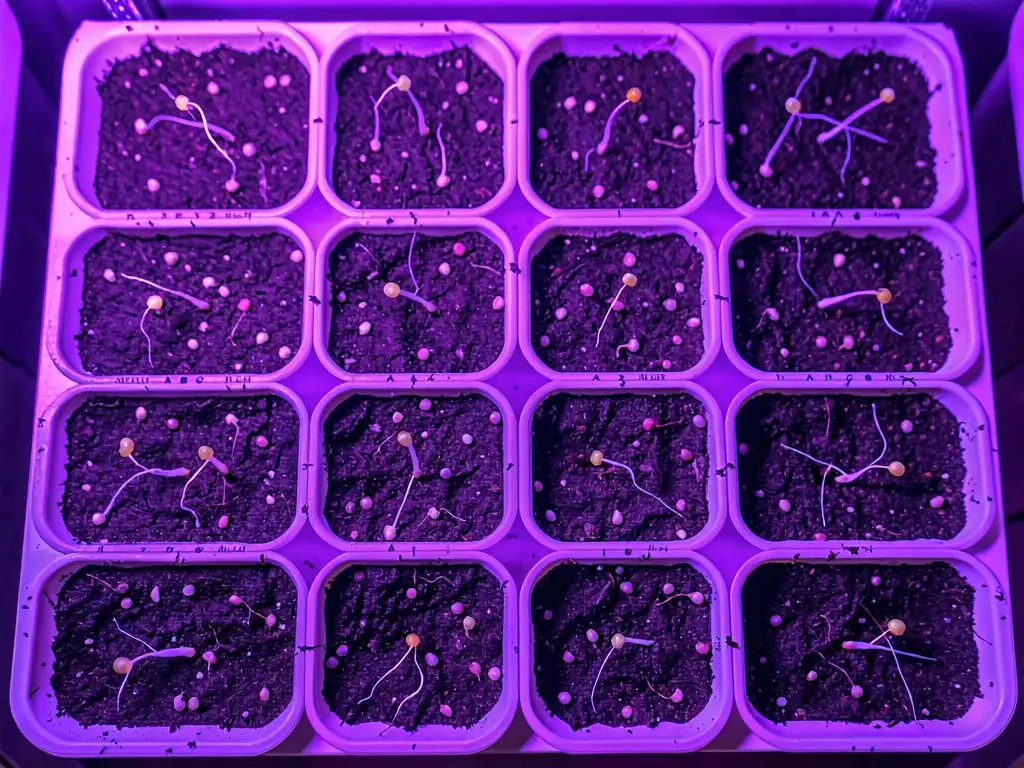
If you live in a region that experiences harsh winters, deep frosts, or snow, your autumn planting window is brief and urgent. You must get your winter crops into the ground by early to mid-autumn. Your goal is to ensure that vegetables reach about 75% of their mature size before the “Persephone period” begins—the time of year when daylight drops below 10 hours a day and plant growth practically stops. Focus on incredibly hardy crops like garlic, broad beans, kale, and overwintering onions. If you miss the outdoor planting window, utilizing grow lights indoors can help you cultivate quick-growing microgreens and hardy herbs to sustain you through the darkest months.
Temperate and Mild Climates
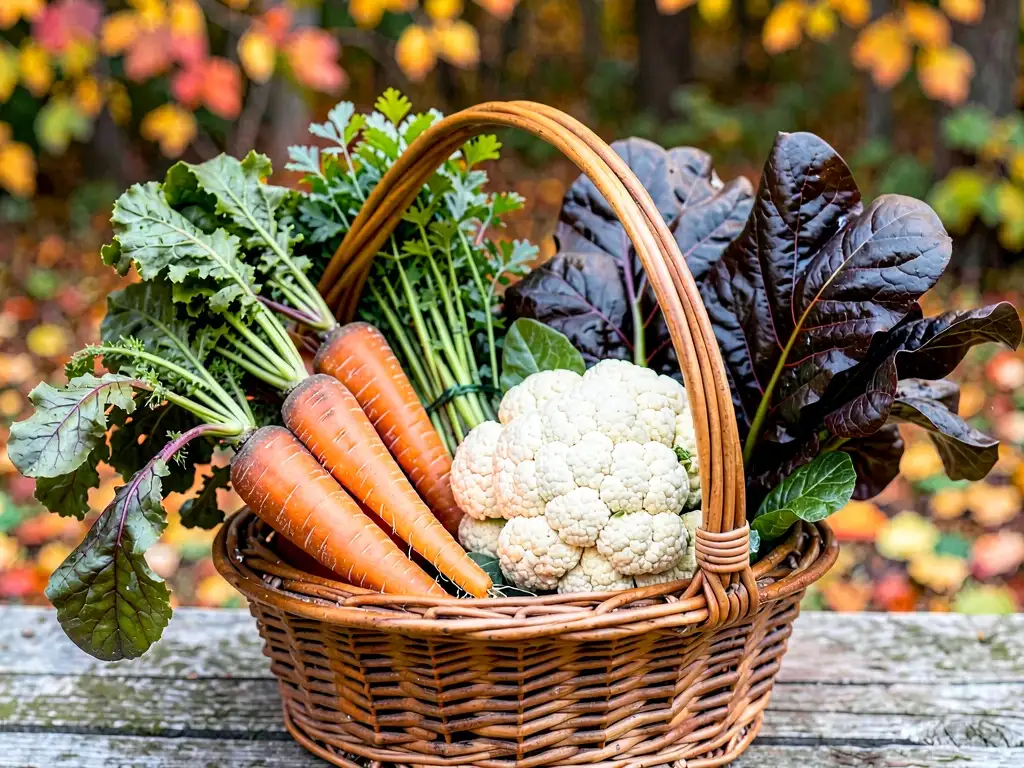
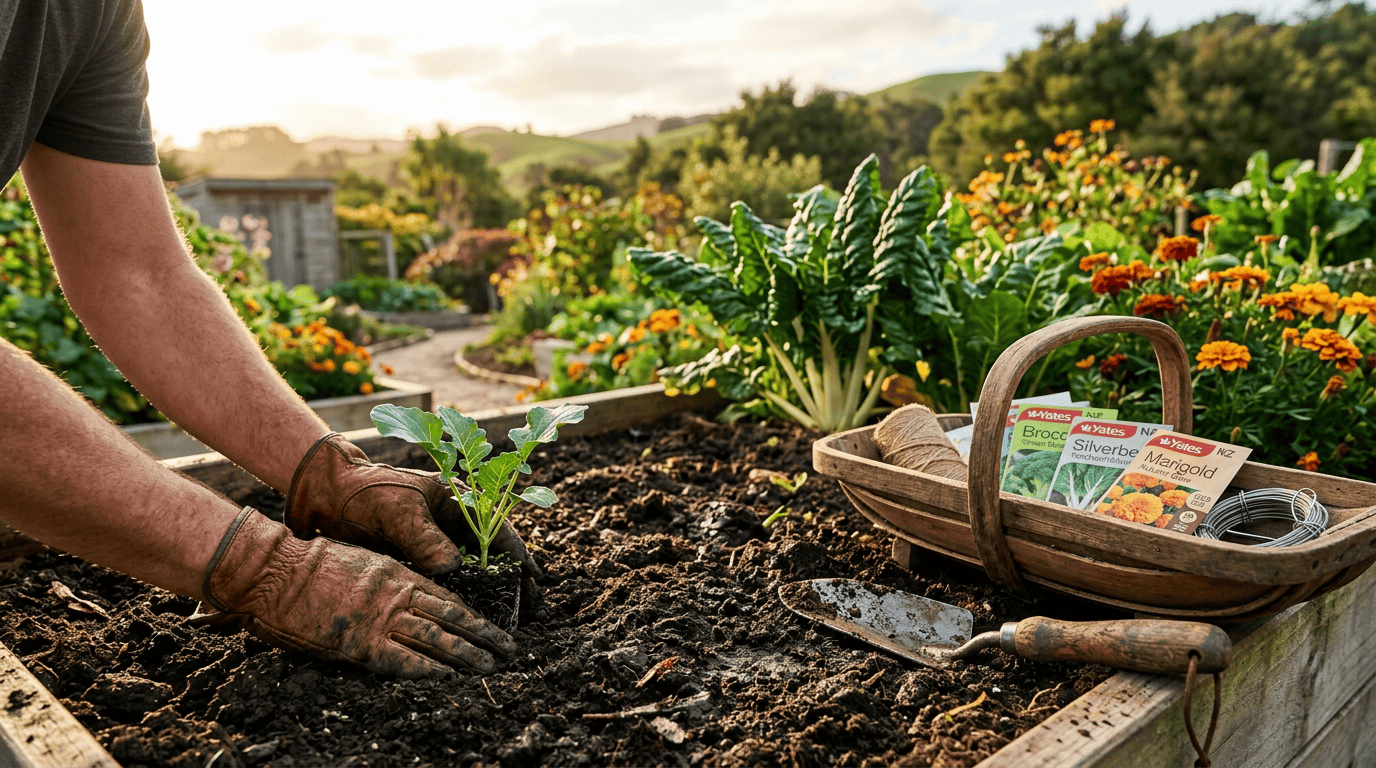
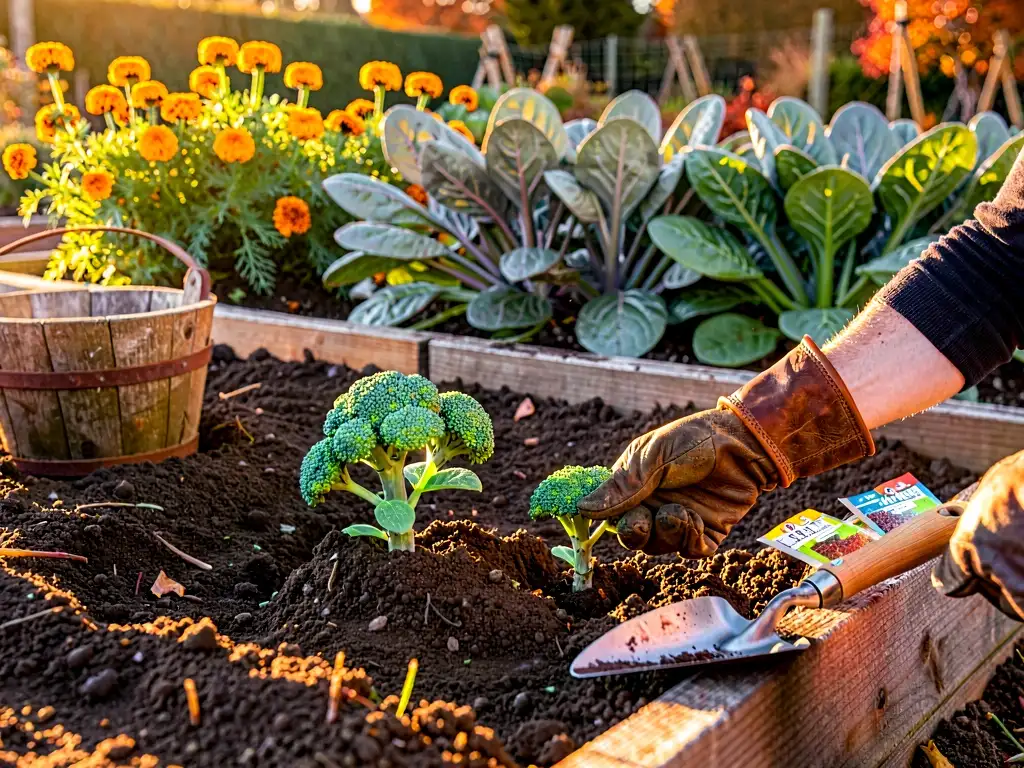
Gardeners in temperate zones enjoy the most forgiving and extended autumn planting season. With mild winters and only occasional, light frosts, you have a solid two-to-three-month window to establish a massive variety of crops. Early autumn is ideal for sowing root vegetables like carrots, beetroot, and radishes, alongside the entire brassica family (broccoli, cauliflower, cabbage, and Brussels sprouts). As mid-autumn approaches, shift your focus to leafy greens like spinach, silverbeet, and winter lettuces, which will happily mature through the mild winter.
Warm and Subtropical Climates
In subtropical regions, autumn is arguably the most exciting season of the year. You have finally escaped the oppressive, humid heat of summer that causes traditional vegetables to wilt and succumb to fungal diseases. In these zones, autumn is the perfect time to plant traditional “summer” crops that require moderate temperatures. You can successfully grow tomatoes, capsicums, cucumbers, and bush beans throughout the autumn months. As late autumn approaches, you can begin introducing cooler-weather crops like peas and brassicas.
Temperature Requirements for Autumn Vegetables
Understanding the specific temperature triggers for your plants will elevate you from a novice to an expert grower. Seed germination and vegetative growth require completely different temperature ranges, which is why autumn is so crucial.
Most cool-season vegetable seeds require soil temperatures between 10°C and 20°C (50°F to 68°F) to germinate effectively. If the soil is too hot (above 25°C/77°F), seeds like lettuce and spinach will enter thermal dormancy and simply refuse to sprout. If the soil is too cold, the seeds may rot before they can emerge. The residual summer warmth trapped in autumn soil sits perfectly within this ideal germination bracket.
Once germinated, cool-season crops prefer ambient air temperatures between 12°C and 20°C (54°F to 68°F) for vegetative growth. Brassicas, for instance, develop their tightest, sweetest heads when maturing in cool weather. When broccoli or cauliflower mature during hot weather, the heads become loose, bitter, and prone to flowering. By timing your planting so the crops mature as the autumn air cools, you guarantee the highest quality harvest.
Soil Readiness: Rebuilding After Summer
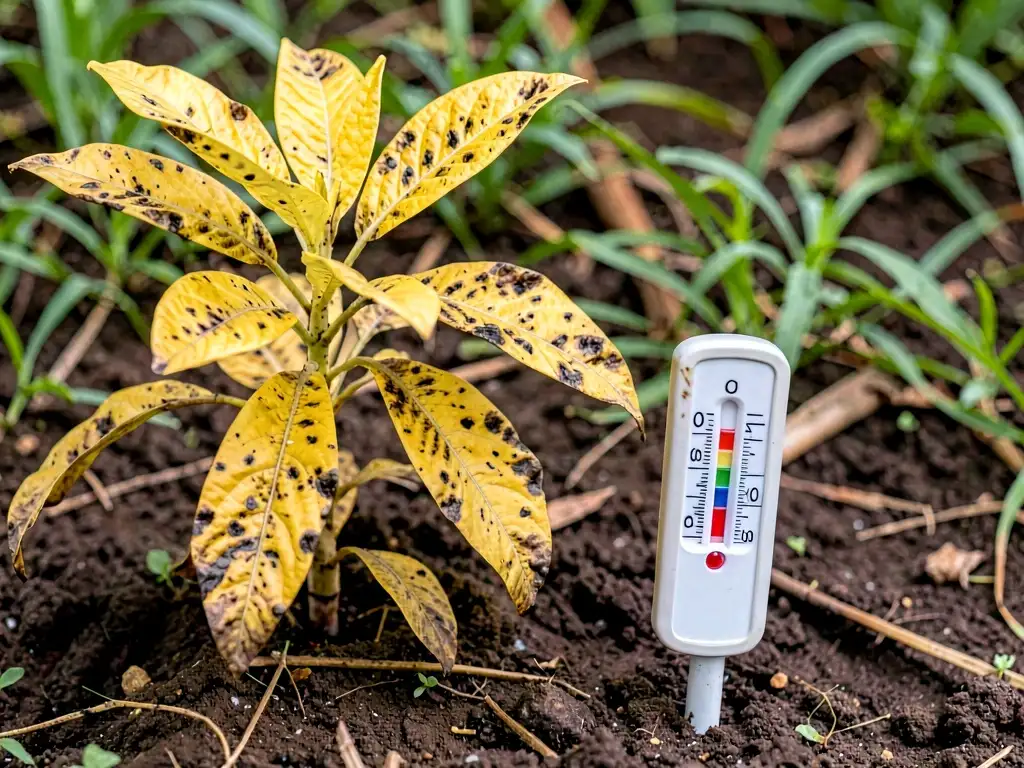
Summer is a season of extraction. Heavy-feeding crops like tomatoes, zucchini, corn, and pumpkins pull massive amounts of nitrogen, phosphorus, potassium, and trace minerals from the earth. By the time autumn arrives, your garden beds are likely exhausted, compacted, and structurally depleted. Preparing your soil is the most important actionable step in this autumn gardening guide.
Here is the step-by-step process for autumn soil preparation:
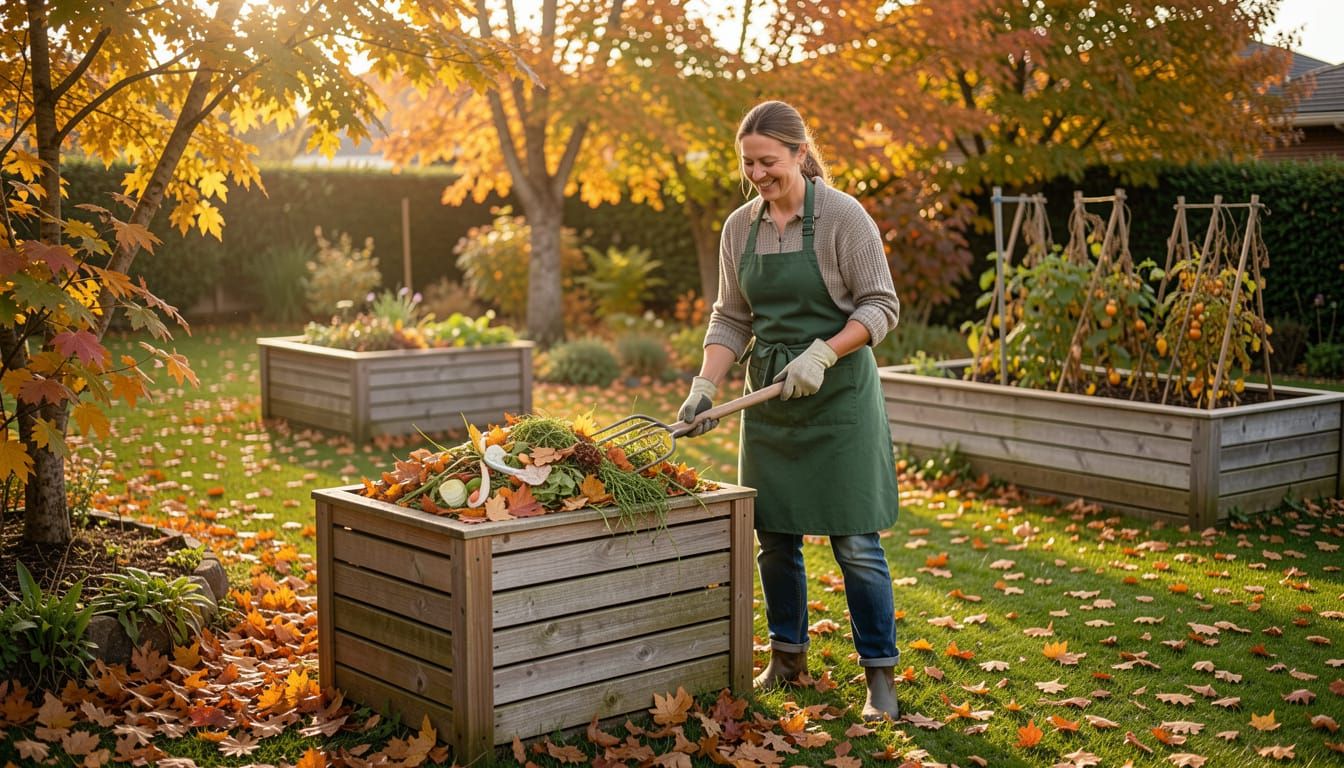
Clear the Debris: Remove all spent summer crops. Do not leave rotting tomato vines or mildew-covered squash leaves in the garden, as these will harbor overwintering pests and fungal spores. Healthy plant material can go into the compost; diseased material should be disposed of off-site.
Aerate the Soil: Avoid heavy tilling, which destroys the delicate subterranean mycorrhizal fungal networks. Instead, use a broadfork or a sturdy garden fork to gently lift and loosen the soil, allowing oxygen and water to penetrate deeply.
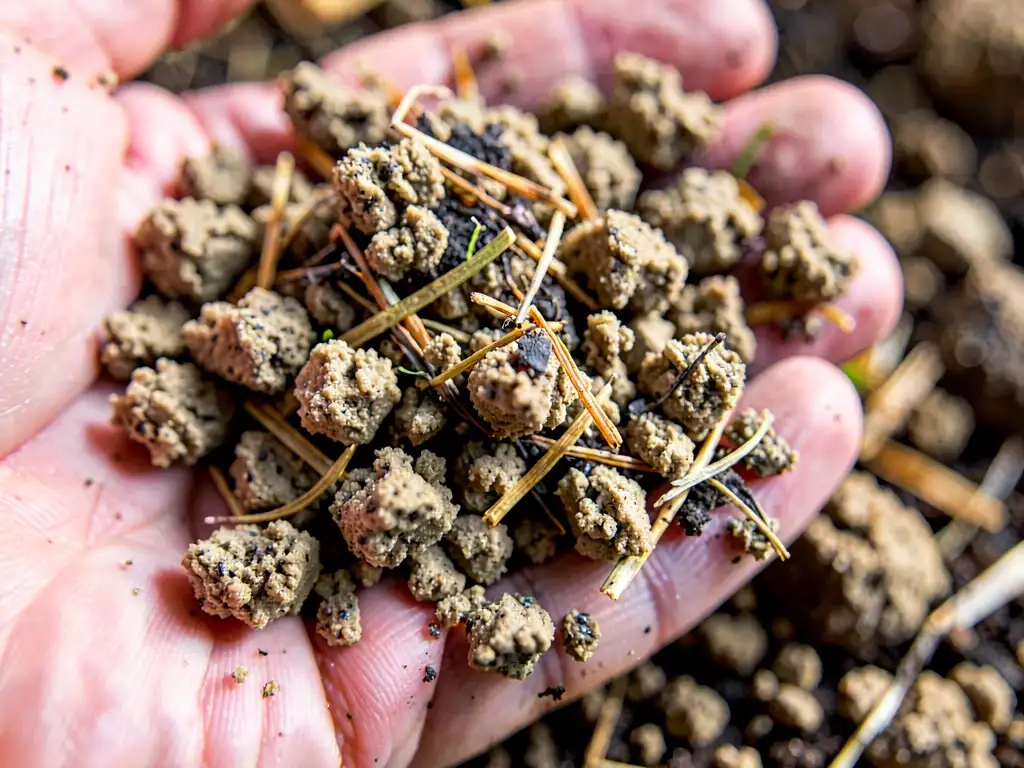
Replenish Organic Matter: Top-dress your beds with a thick, 3-to-5-centimeter layer of high-quality compost or well-rotted manure. If you are starting fresh or planting in containers, invest in premium soil mixes that are specifically formulated for vegetable growth and possess excellent moisture-retention properties.
Add Targeted Nutrition: Summer crops deplete specific nutrients. Broad-spectrum organic fertilizers like blood and bone, pelleted sheep manure, and seaweed extract are essential for replacing lost nitrogen and calcium. Apply these according to the package directions before planting your autumn seedlings.
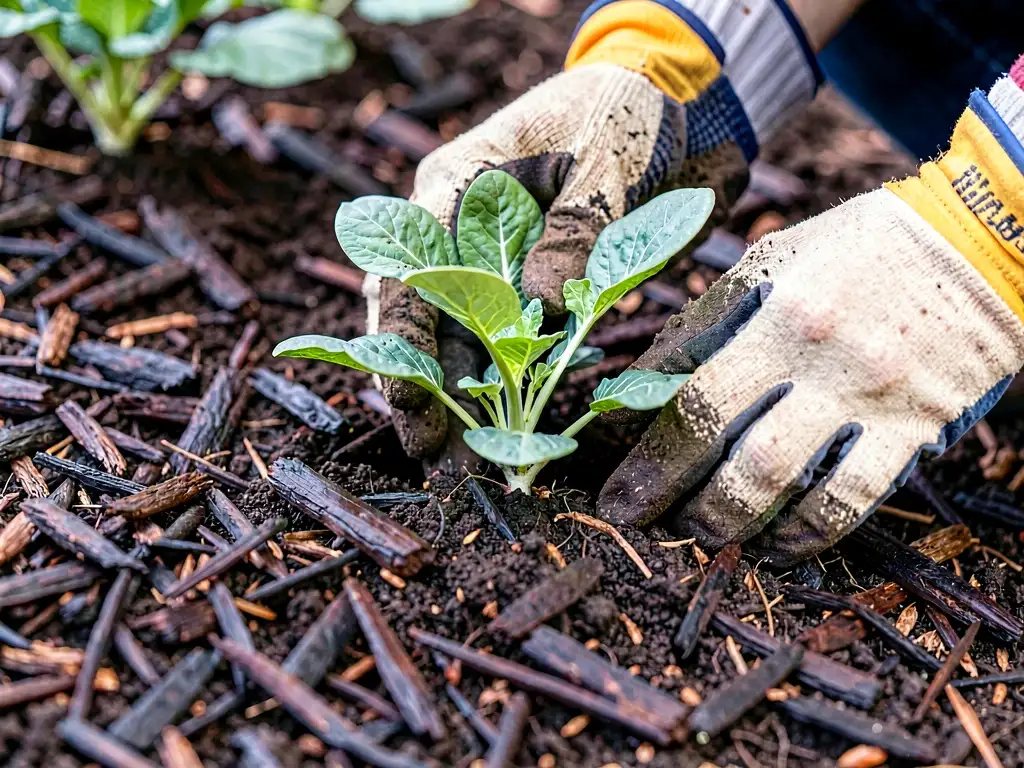
Mulch Heavily: Once your new autumn crops are planted, apply a generous layer of organic mulch (such as pea straw, lucerne, or shredded leaves). Mulch acts as an insulating blanket, trapping the residual soil heat and protecting the delicate soil microbiome from the impending chill.
Navigating Frost Considerations
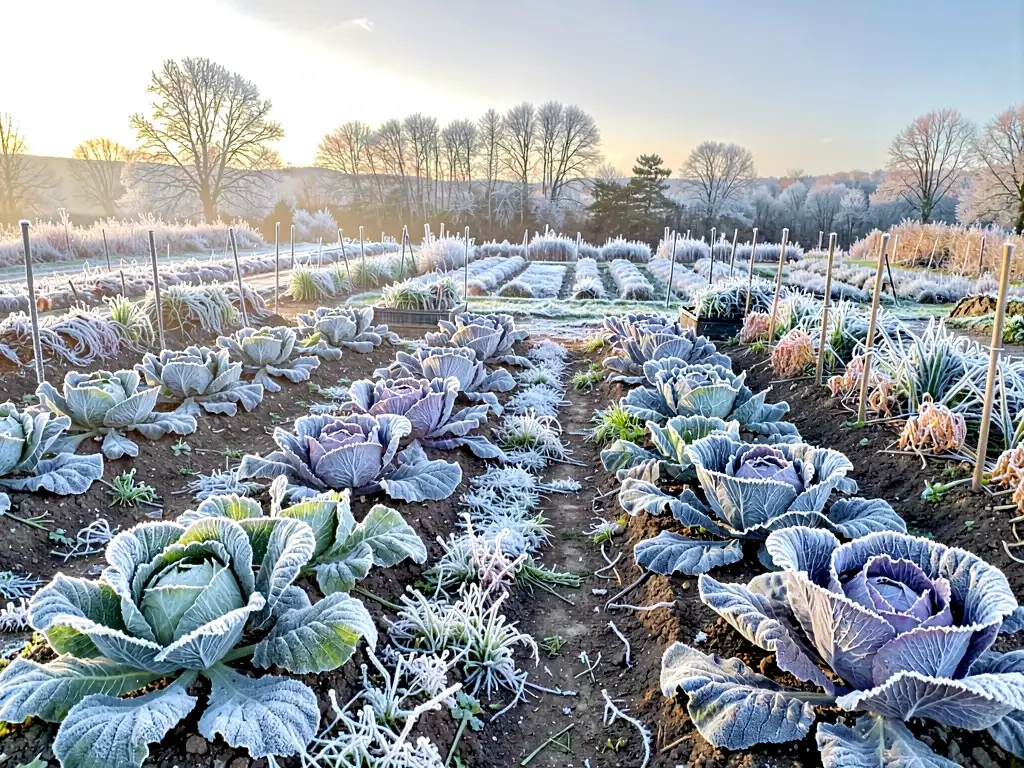
Frost is the primary adversary of the autumn and winter gardener. However, with strategic planning and the right infrastructure, frost can be managed—and in some cases, even utilized to your advantage. Did you know that frost actually improves the flavor of many root vegetables and brassicas? The cold temperatures trigger the plants to convert their stored starches into sugars, acting as a natural biological antifreeze. This is why parsnips, carrots, and kale harvested after a frost taste incredibly sweet.
Despite this benefit, tender seedlings and late-maturing summer crops must be protected from ice crystallization, which ruptures plant cell walls and causes the foliage to turn black and collapse. To navigate frost effectively, you must know your region’s average first frost date and plan your defense strategy.
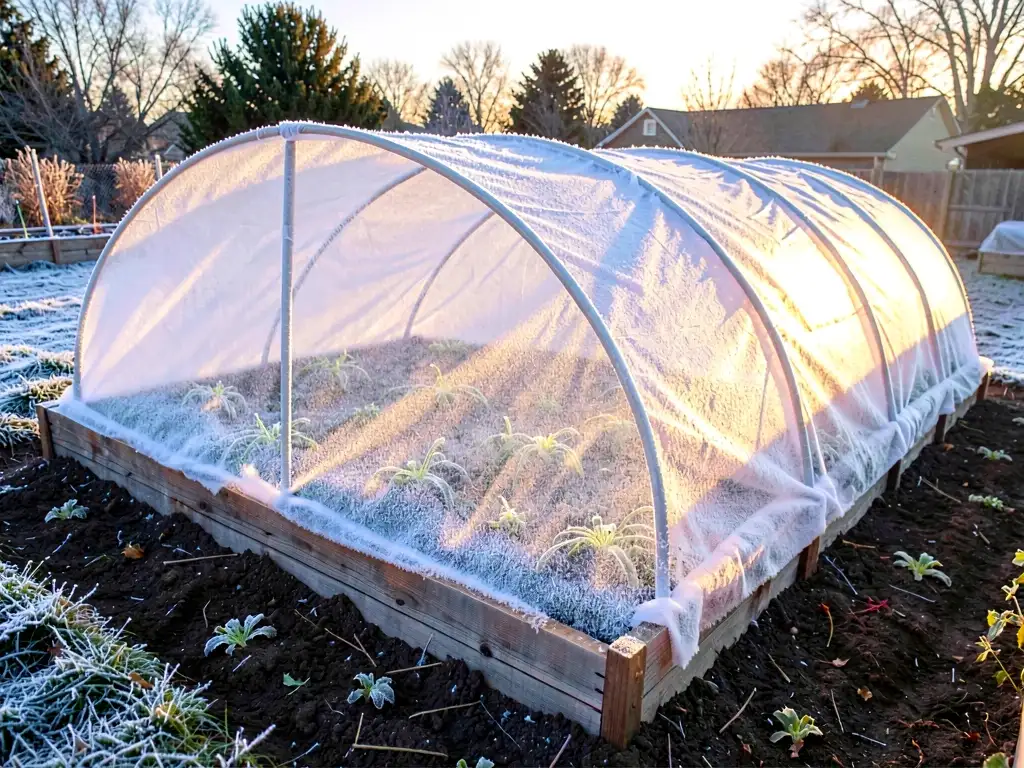
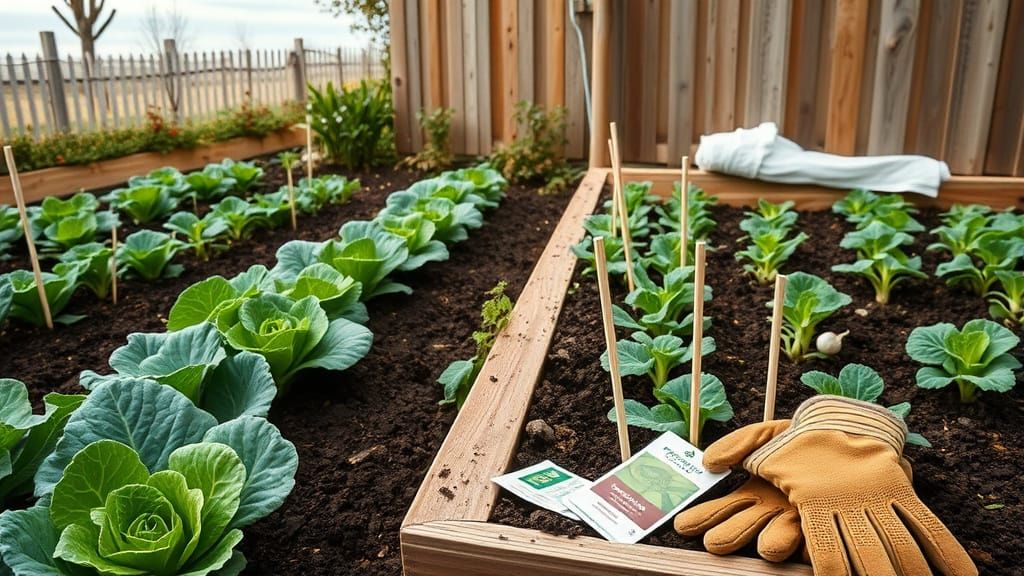
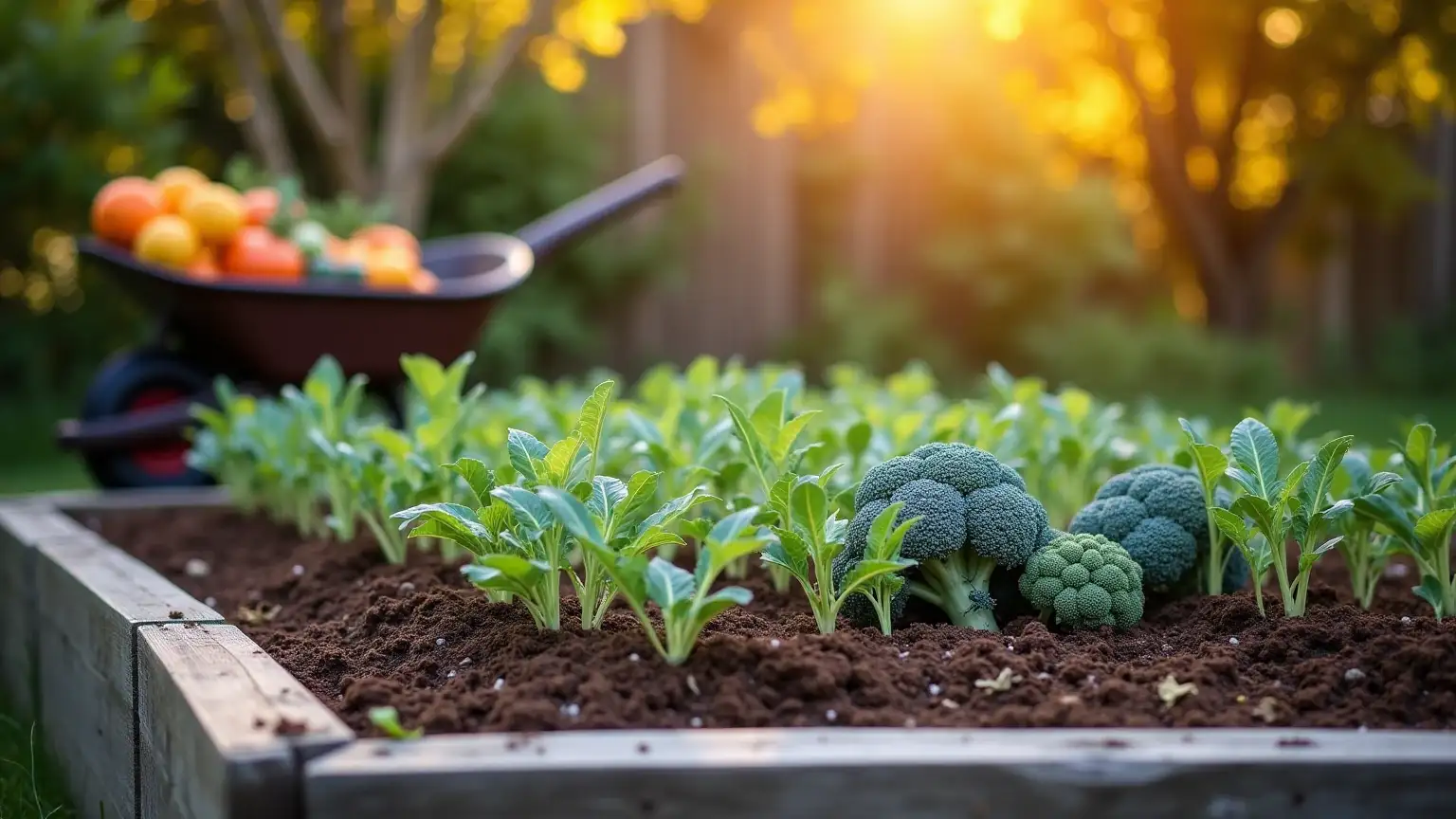
One of the most effective methods for managing soil temperature and drainage during the colder months is the installation of raised beds. Because they sit above the ground line, raised beds warm up faster in the morning sun and drain excess winter rain more efficiently than in-ground plots, preventing root rot. To protect the foliage, install simple hoop houses or low tunnels covered with horticultural frost cloth. This breathable fabric traps the earth’s radiant heat overnight, keeping the microclimate beneath it 2°C to 4°C warmer than the outside air—often enough to save your crops from a devastating freeze.
Succession Planting Options for a Continuous Harvest
A common beginner mistake is planting all autumn seeds on the exact same day. This results in a “boom and bust” harvest—you will have 40 mature lettuces all at once, followed by nothing for the rest of the winter. The secret to a continuous, manageable supply of fresh produce is succession planting.
Succession planting involves staggering your seed sowing every two to three weeks. In early autumn, while the soil is still quite warm, you should focus on fast-growing, cut-and-come-again crops. Radishes, rocket (arugula), mizuna, and baby spinach are perfect candidates. By purchasing a diverse variety of high-quality seeds, you can ensure a steady rotation of crops.
For example, sow a short row of carrots and a patch of coriander in week one of autumn. In week three, sow your second batch. In week five, sow your final batch before the soil cools too much. This guarantees that as you harvest one row, the next is only a few weeks away from maturity. Keep in mind that as the days get shorter and colder deep into autumn, plant growth will slow down drastically. A radish that takes 25 days to mature in early autumn might take 45 days to mature if planted in late autumn. Adjust your expectations and planting volume accordingly.
The Essential Autumn Seasonal Care Chart
To help you organize your autumn garden, use this comprehensive seasonal care chart. This HTML table breaks down the ideal planting windows, expected days to harvest, and frost tolerance for the most reliable autumn crops. Note that days to harvest will vary slightly based on your specific climate zone and the decreasing daylight hours.
Crop Type
Best Sowing Window
Days to Harvest
Frost Tolerance
Ideal Spacing
Broccoli
Early to Mid Autumn
70 – 90 days
High (Improves flavor)
40 – 50 cm apart
Carrots
Early Autumn
70 – 100 days
High (Can overwinter in soil)
5 cm apart
Garlic
Mid to Late Autumn
200 – 240 days (Spring harvest)
Very High
15 cm apart
Spinach
Early to Late Autumn
40 – 60 days
Moderate to High
20 cm apart
Broad Beans
Mid to Late Autumn
120 – 150 days
High (Nitrogen fixer)
20 cm apart
Cabbage (Winter)
Early Autumn
90 – 120 days
Very High
50 – 60 cm apart
Snow Peas
Early to Mid Autumn
60 – 70 days
Moderate (Flowers are frost-tender)
10 cm apart (Requires trellis)
Autumn Lawn Care and Water Management
While the vegetable garden commands a lot of attention, an autumn gardening guide would be incomplete without addressing lawn care and irrigation. Autumn is universally considered the best time of year to repair damaged lawns or sow completely new grass seed. The warm soil encourages rapid seed germination, while the reliable autumn rains keep the newly sprouted grass moist without the intense evaporation of summer.
Begin by dethatching your lawn to remove dead organic matter and aerating the soil to improve drainage. Apply a slow-release autumn lawn fertilizer that is high in potassium to strengthen the grass roots before winter dormancy. If you are laying new seed, ensure you keep the ground consistently moist until the blades are at least 5 centimeters tall.
Water management across your entire property needs to pivot drastically during this season. Transitioning from summer to autumn requires recalibrating your irrigation systems. As temperatures drop and daylight wanes, the evaporation rate plummets. Overwatering in autumn is a surefire way to induce root rot and fungal diseases. Transition your watering schedule from frequent, shallow watering to infrequent, deep watering. Only water when the top 3 centimeters of soil feel dry to the touch, and always aim to water early in the morning so the plant foliage has time to dry off before the cold evening sets in.
Autumn Fruit Tree Maintenance
Autumn is a pivotal season for the home orchardist. For deciduous fruit trees (like apples, pears, plums, and peaches), autumn marks the beginning of their transition into winter dormancy. As the leaves begin to turn color and drop, the trees are pulling nutrients back down into their root systems. This is the perfect time to practice good orchard hygiene. Rake up all fallen fruit and leaves, as these can harbor overwintering fungal spores, such as brown rot and leaf curl, as well as pest larvae.
For evergreen fruit trees, particularly citrus (lemons, limes, oranges, and mandarins), early autumn is a crucial feeding time. Citrus trees are heavy feeders and require a specialized citrus fertilizer to support the development of their winter-ripening fruit. Apply the fertilizer around the drip line of the tree (not touching the trunk) and water it in thoroughly. However, if you live in an area prone to early, harsh frosts, avoid feeding citrus late in the autumn; late feeding can push a flush of soft, tender new growth that will be instantly killed by a freeze.
Late autumn is also the prime window for planting new deciduous fruit trees. Planting them while they are entering dormancy allows their roots to settle into the soil over winter, preparing them for an explosive burst of growth when spring arrives.
Top Beginner Mistakes in Autumn Gardening
Even with the best intentions, it is easy to make seasonal missteps. Avoid these common pitfalls to ensure your autumn garden remains productive:
1. Leaving Garden Beds Bare
Nature abhors a vacuum. If you harvest your summer crops and leave the soil bare, heavy autumn rains will compact the earth and wash away vital topsoil and water-soluble nutrients. If you aren’t planting autumn vegetables in a specific bed, you must sow a cover crop (like mustard, lupin, or oats) or cover the soil with a thick layer of organic mulch. Cover crops act as living mulch, fixing nitrogen, improving soil structure, and suppressing winter weeds.
2. Planting Summer Crops Too Late
In a desperate bid to hold onto summer, beginners often try to plant one last round of tomatoes or zucchini in early autumn. Unless you live in a warm, subtropical zone or have a heated greenhouse, this is a waste of time and resources. The decreasing daylight hours and dropping nighttime temperatures will stunt the plants, and the first frost will kill them before they yield a harvest. Respect the seasons and transition to cool-weather crops.
3. Ignoring Changing Light Patterns
As the earth tilts, the sun lowers on the horizon. A garden bed that received eight hours of blazing, direct sunlight in mid-summer might be completely shaded by a neighbor’s house or a fence by mid-autumn. Before you plant your winter vegetables, observe the new shadows in your yard and site your crops in the areas that will receive the maximum amount of winter sun (aiming for a minimum of 4 to 6 hours for leafy greens, and more for root vegetables).
4. Forgetting Pest Management
It is a myth that autumn cold instantly kills all pests. In fact, slugs, snails, and certain caterpillars thrive in the cool, damp conditions of mid-autumn. Newly transplanted brassica seedlings are highly vulnerable to snail attacks. Implement physical barriers, organic slug bait, or evening manual removal to protect your young plants until they are large and robust enough to withstand minor damage.
Autumn Gardening Guide FAQs
What are the best vegetables to plant in early autumn?
Early autumn is the ideal time to plant robust brassicas (broccoli, cauliflower, cabbage), leafy greens (spinach, silverbeet, kale), and root crops (carrots, beetroot, radishes). The warm soil ensures rapid germination, while the cooling air supports steady, unstressed vegetative growth.
Do I need to fertilize my garden in the autumn?
Yes, absolutely. Summer crops strip the soil of essential nutrients. Before planting your autumn garden, replenish the beds with high-quality compost, well-rotted manure, and slow-release organic fertilizers like blood and bone to provide a strong nutritional foundation for your winter crops.
How do I protect my autumn seedlings from unexpected frost?
Keep a close eye on the weather forecast. When a frost is predicted, cover your vulnerable seedlings with horticultural frost cloth, cloches, or old bedsheets supported by hoops. Ensure the coverings do not touch the foliage directly, and remove them during the day to allow for sunlight and airflow.
Is autumn a good time to plant herbs?
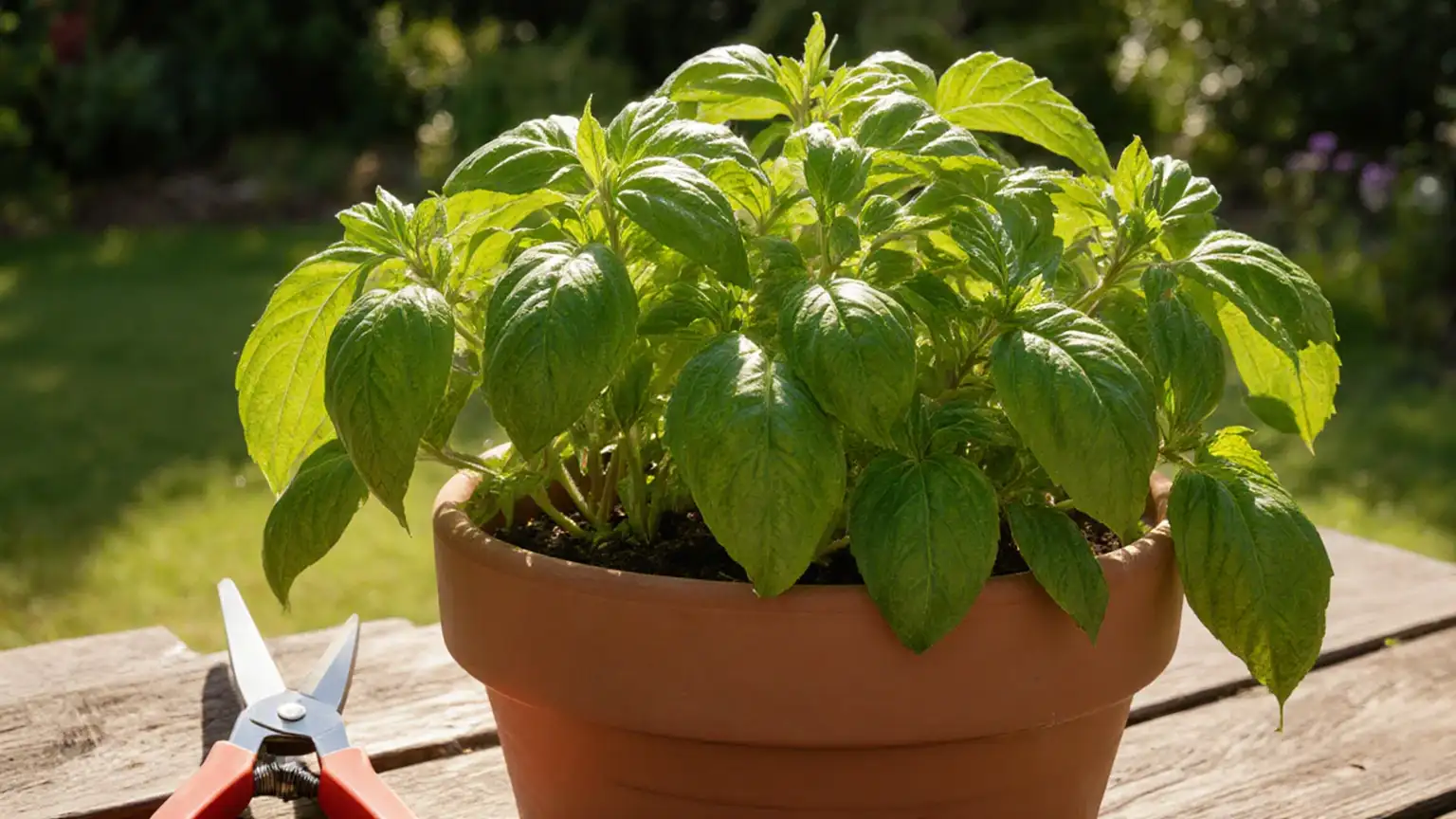
Yes, many hardy perennial herbs thrive when planted in autumn. Rosemary, thyme, sage, oregano, and chives establish excellent root systems in the cool weather. However, tender annual herbs like basil will die at the first sign of frost and should be avoided or grown indoors under lights.
When should I plant garlic for a summer harvest?
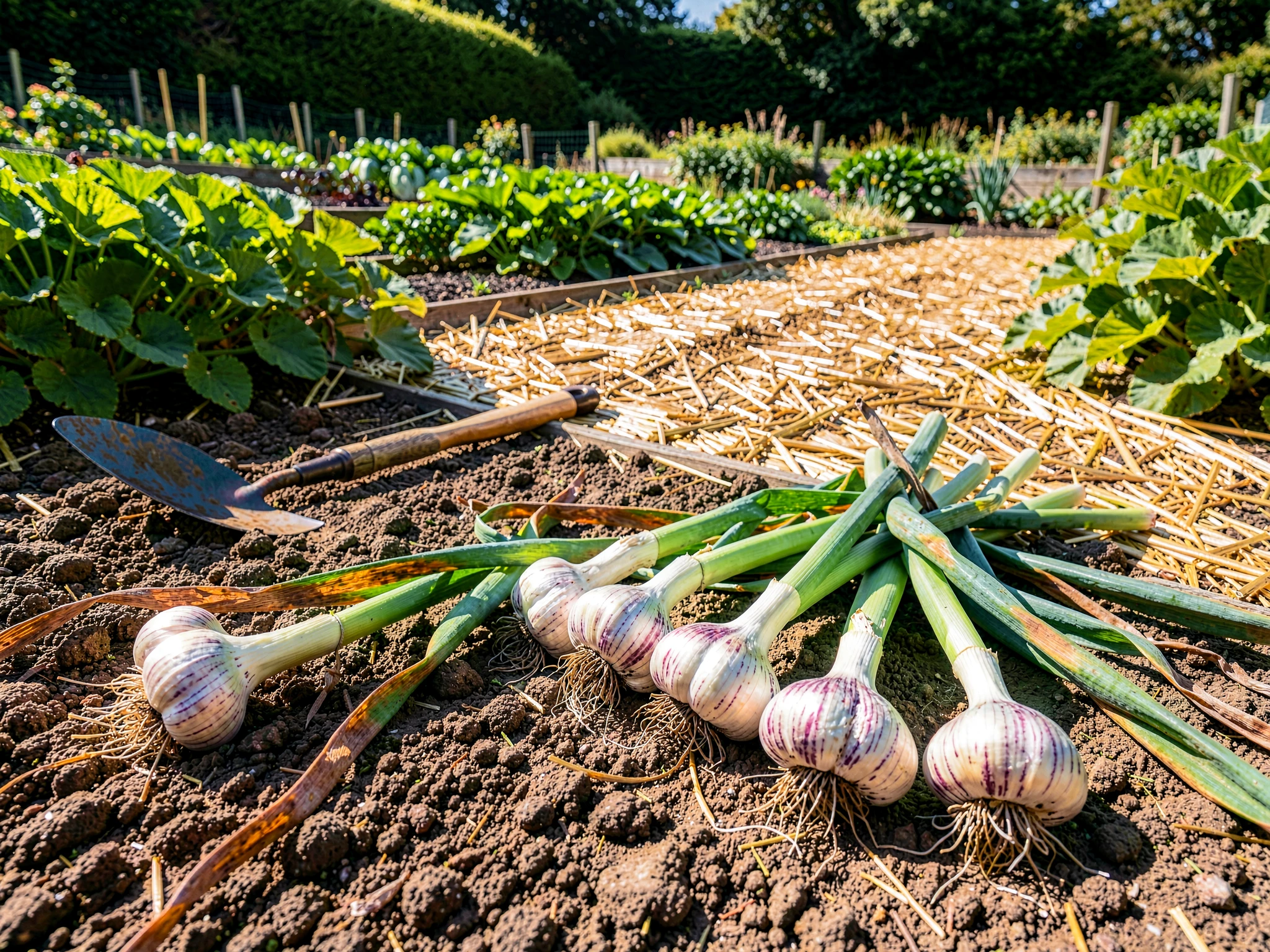
Garlic requires a long growing season and a period of cold dormancy (vernalization) to form distinct cloves. It should be planted in mid-to-late autumn. Plant individual cloves pointy-side up, about 5 centimeters deep, in well-draining, richly amended soil.
How often should I water my garden in autumn?
As temperatures drop and rainfall generally increases, you must reduce your watering frequency. Transition to deep, infrequent watering. Always check the soil moisture with your finger before turning on the hose—if the soil is moist two inches down, hold off on watering to prevent root rot.
Conclusion
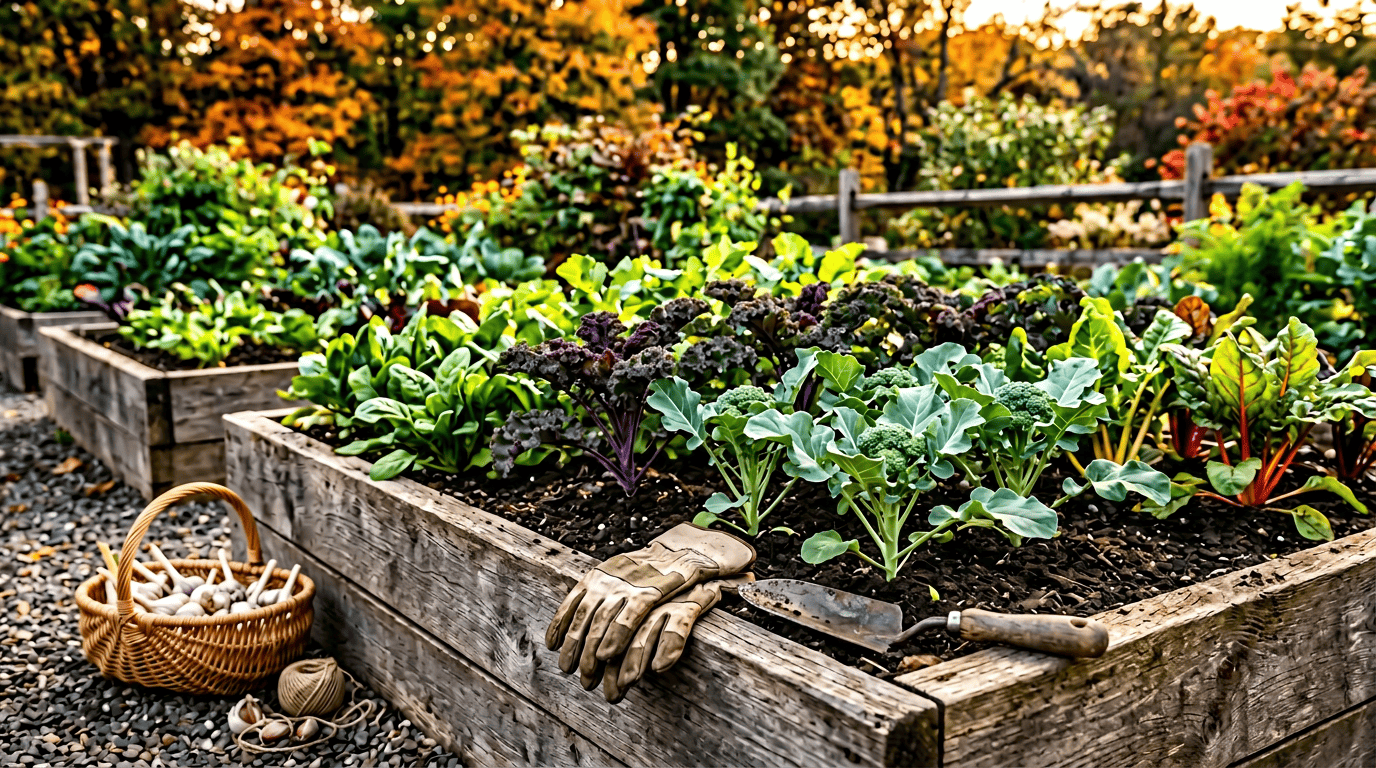
Mastering the seasonal shift is the hallmark of a truly skilled grower. By implementing the strategies outlined in this autumn gardening guide, you are setting yourself up for months of continuous, rewarding harvests. Autumn is not the end of the gardening year; it is a vital period of renewal, preparation, and deeply satisfying horticultural work. The effort you put into clearing debris, replenishing your soil with rich organic matter, and strategically sowing your cool-climate seeds will pay massive dividends when you are harvesting sweet, frost-kissed carrots and crisp broccoli in the depths of winter.
Remember, gardening is a continuous partnership with nature. Embrace the cooler temperatures, enjoy the crisp morning air, and take pride in knowing that your garden is prepared to weather the elements. Equip yourself with the right seeds, prepare your beds meticulously, and watch as your autumn garden transforms into a resilient, productive winter sanctuary. Happy planting!

Leave a Reply