We use cookies to improve your experience, analyze traffic, and display personalized ads.
By clicking "Accept", you consent to the use of cookies in accordance with our Privacy Policy.
The Ultimate Autumn Garden Preparation Guide for New Zealand Growers
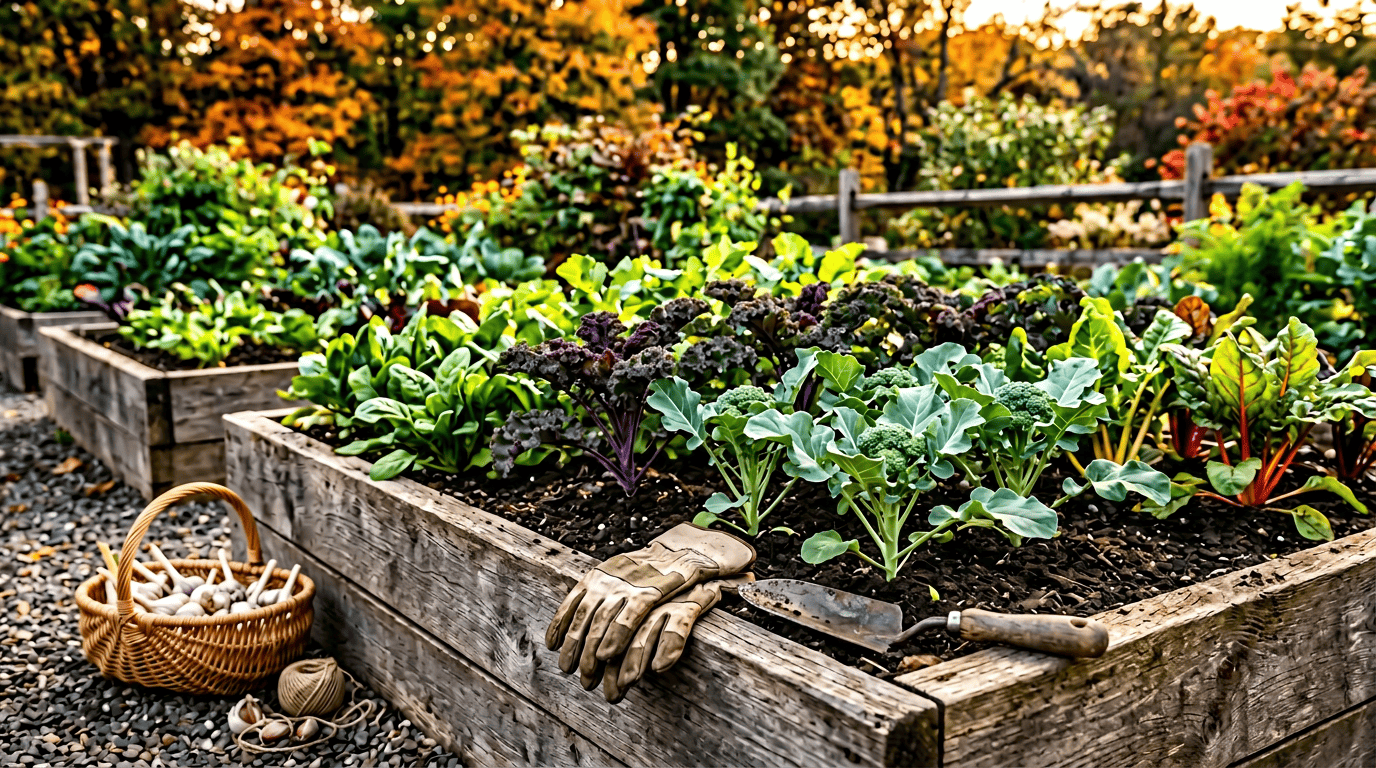
As the sweltering heat of summer begins to fade, a critical window of opportunity opens for New Zealand gardeners. The transition between seasons is not just a time to wind down; it is the perfect moment to rebuild your soil and plant for the future. Proper autumn garden preparation is the secret to maintaining a productive, thriving landscape through the colder months and ensuring a spectacular explosion of growth come spring. Because the ground retains the residual warmth of summer while benefiting from increased autumn rainfall, plants established now develop robust, resilient root systems.
Whether you are gardening in the temperate zones of Auckland, the cooler climates of the South Island, or anywhere in between, this comprehensive guide will walk you through the exact steps required to transform your garden this autumn.
Many beginner gardeners make the mistake of abandoning their plots after the summer harvest. However, master horticulturists understand that autumn is practically a second spring. The harsh, drying winds and intense UV rays of January and February are replaced by cooler mornings and dewy nights. This creates the ultimate low-stress environment for young seedlings and newly transplanted trees. By investing time in autumn garden preparation, you reduce transplant shock and drastically decrease your reliance on supplemental irrigation.
Step 1: The Autumn Garden Clean-Up
Before you can plant new crops, you must address the remnants of summer. A ruthless clean-up prevents pests and diseases from overwintering in your soil.
Removing Spent Summer Crops
Start by pulling up any summer vegetables that have finished producing, such as exhausted tomato vines, sprawling cucumbers, and bolted lettuces. Do not leave diseased foliage in the garden beds, as fungal spores like powdery mildew will survive the winter and reinfect your spring crops. Healthy green waste can be chopped into smaller pieces and added directly to your compost heap.
Strategic Pruning
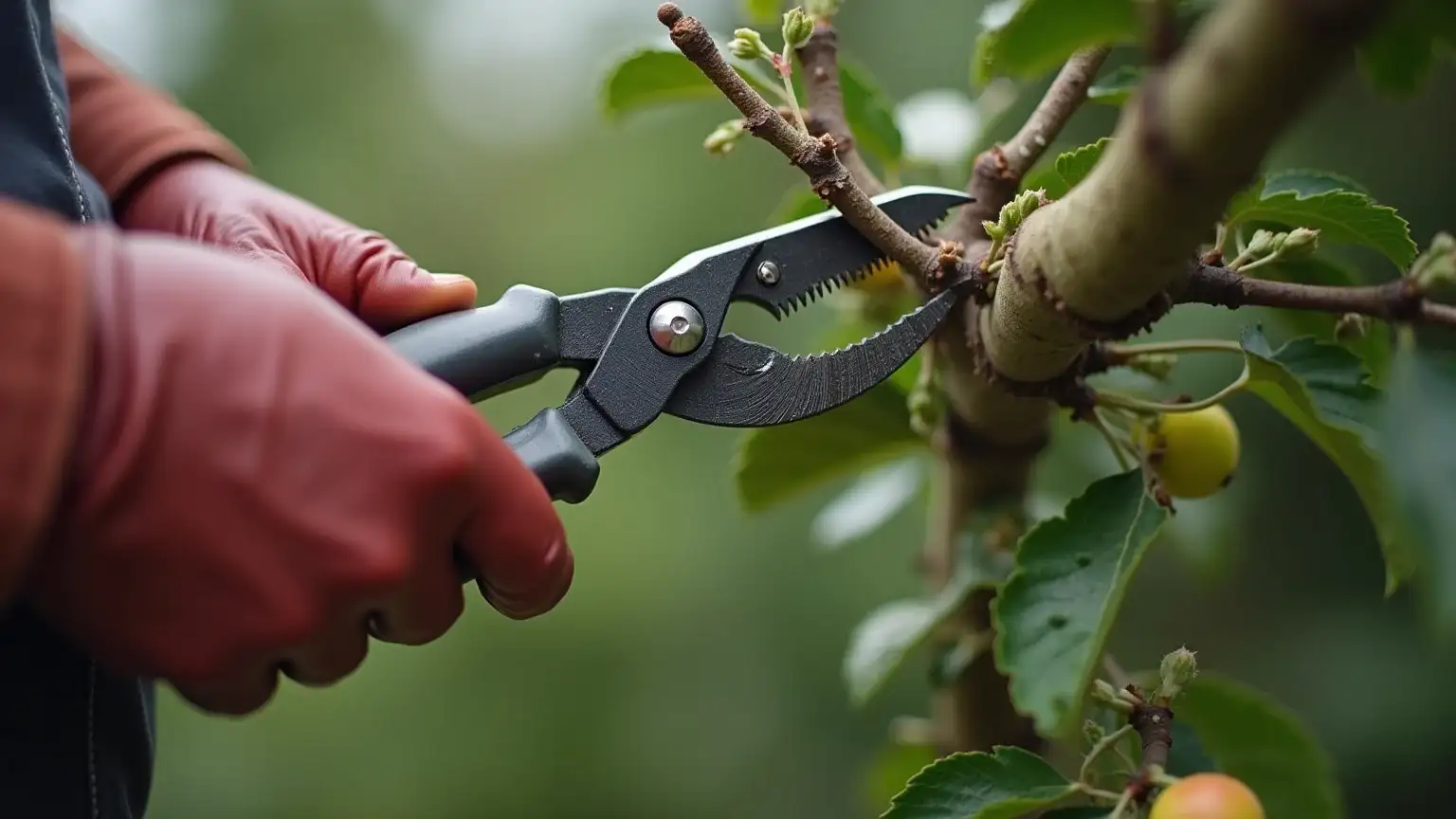
Autumn is an excellent time to prune deciduous fruit trees, specifically pip and stone fruits like peaches and nectarines that have finished their harvest. Remove any dead, diseased, or crossing branches to improve airflow. Aim to maintain tree height at a manageable two to three metres to make netting and harvesting easier in the future.
Step 2: Soil Preparation and Fertility
Summer crops are heavy feeders that strip the soil of essential macronutrients. If you plant your winter vegetables directly into depleted soil, your yields will be stunted. Rebuilding your soil structure is the most critical phase of autumn garden preparation.
Replenishing Organic Matter
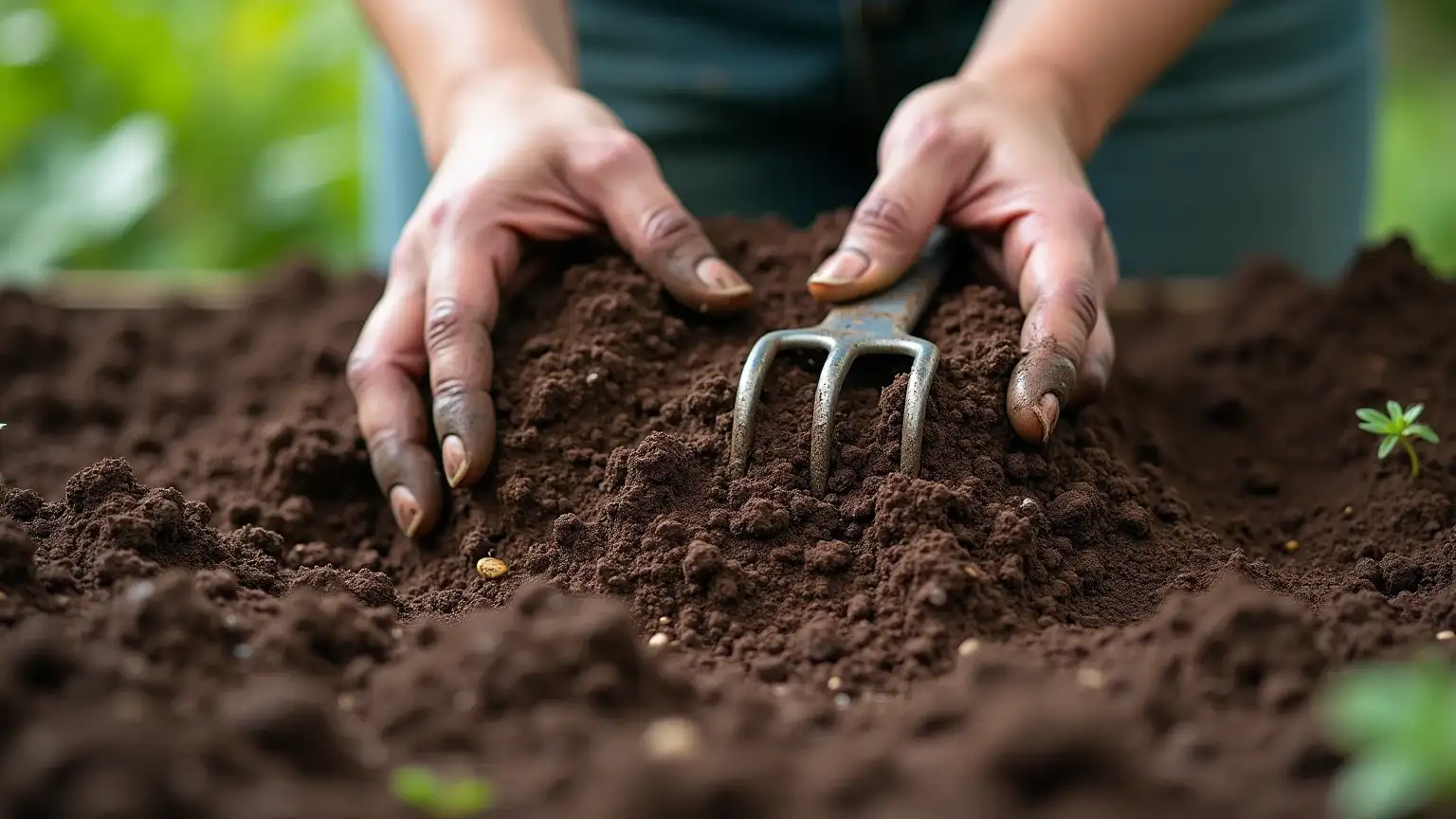
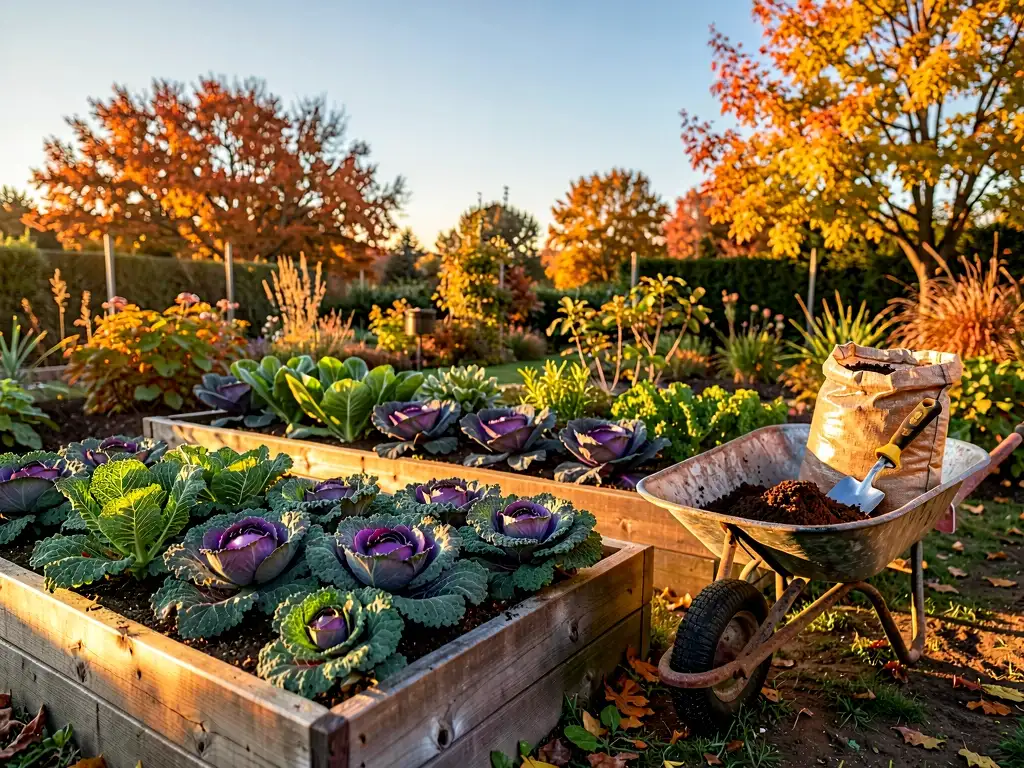
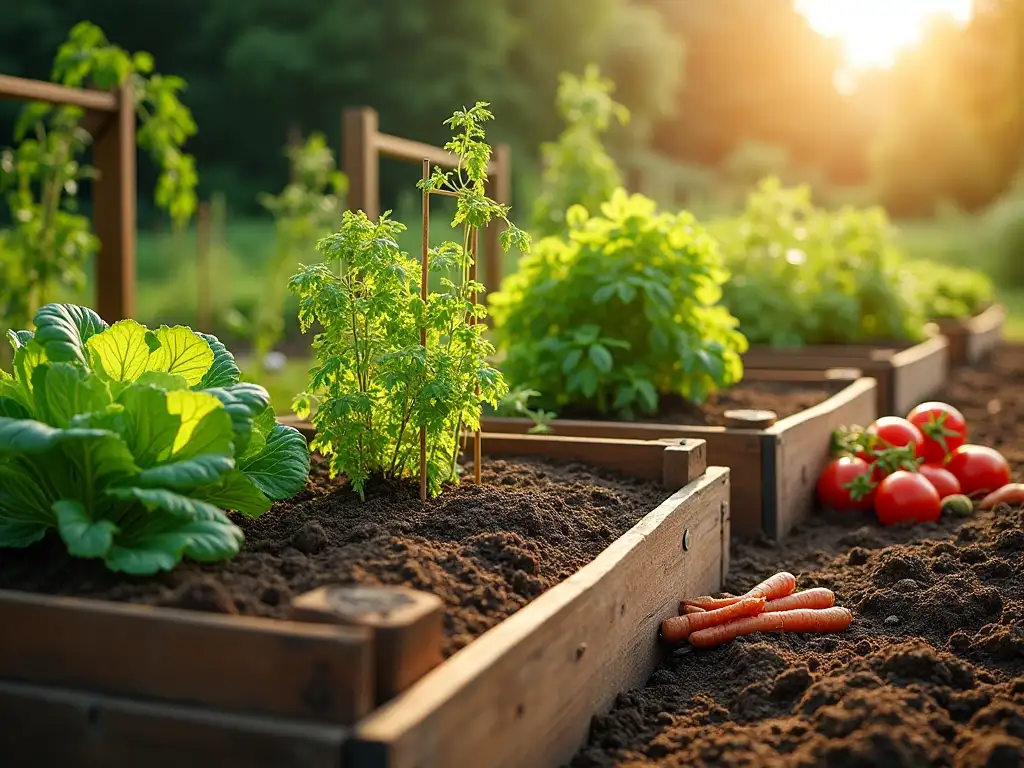
Begin by applying a generous, even layer of high-quality compost over your garden beds. For raised beds, mixing in fresh soil blends or organic sheep pellets will immediately boost microbial activity. Dig these organic materials into the soil to a depth of about one and a half spades, ensuring the earth is fine, crumbly, and aerated.
For a steady release of nutrients, incorporate a balanced organic fertilizer. Blood and bone or specialized vegetable food will provide the necessary nitrogen and phosphorus for strong leafy growth.
Liquid Feeding and Tonics
To help new seedlings overcome transplant shock, apply a liquid seaweed plant tonic every two to four weeks. Seaweed tonics enhance root development and naturally increase a plant’s resistance to cold temperatures and mild frosts. If you are setting up new permanent beds, investing in a reliable drip irrigation system now will ensure your soil maintains consistent moisture levels without waterlogging the roots during heavy downpours.
Step 3: What to Plant in Autumn
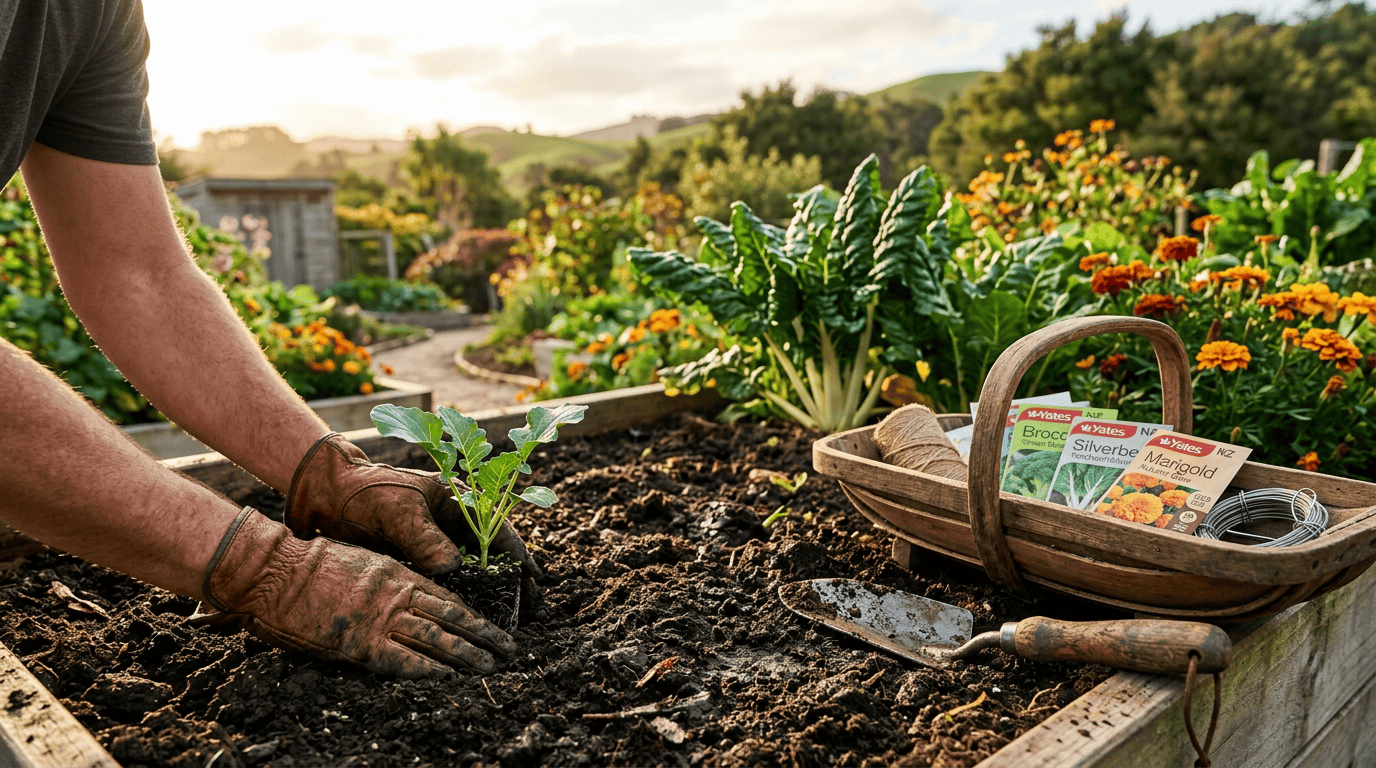
With your soil refreshed and structurally sound, it is time to plant. Autumn is predominantly about cool-weather crops—brassicas, root vegetables, and leafy greens.
The Winter Vegetable Patch
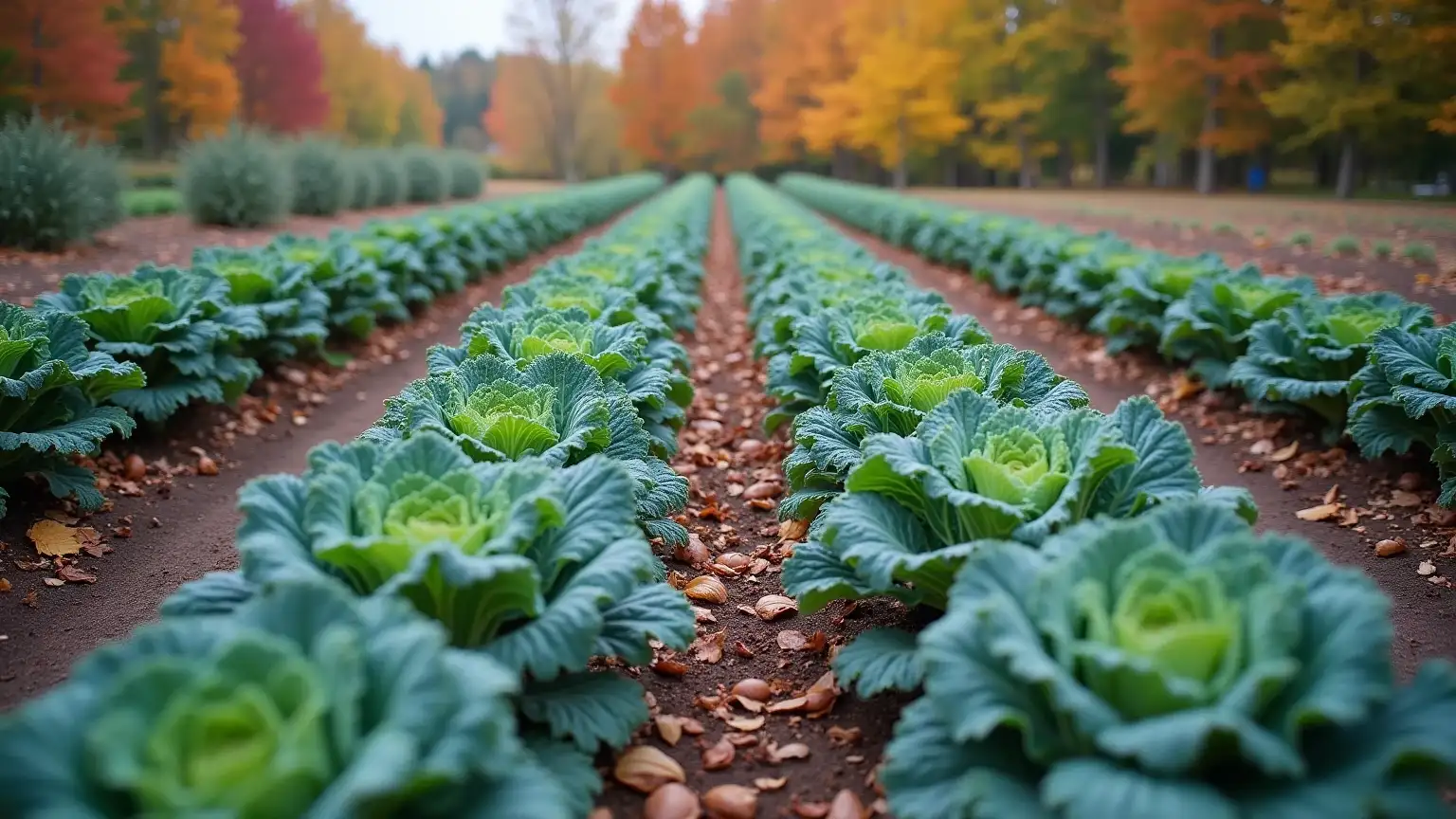
For a continuous supply of fresh produce, practice succession planting by sowing a new batch of seeds every two to three weeks. Give priority to slow-maturing varieties like Brussels sprouts and cabbages early in the season so they have time to establish.
Crop Type
Recommended Varieties
Ideal Sowing Time
Spacing Requirements
Days to Harvest
Brassicas
Broccoli, Cauliflower, Cabbage
February to May
40–60 cm apart
60–120 days
Leafy Greens
Spinach, Silverbeet, Kale
March to June
20–30 cm apart
40–70 days
Root Vegetables
Carrots, Beetroot, Turnips
March to May (direct sow)
5–10 cm apart
56–90 days
Legumes
Broad Beans, Dwarf Peas
April to June
15–25 cm apart
90–120 days
Alliums
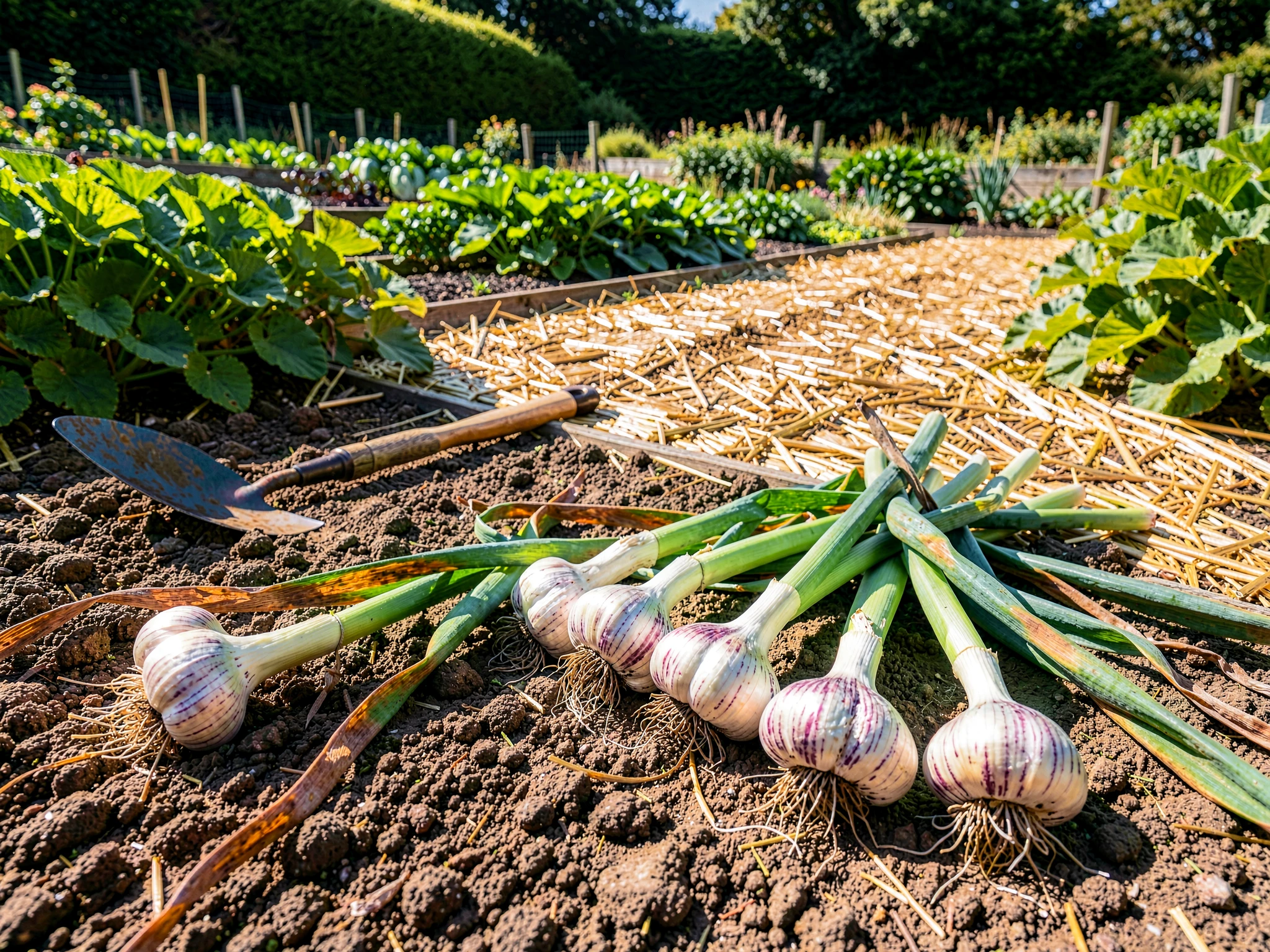
Garlic, Spring Onions, Leeks
March to May
10–15 cm apart
60–150 days
When planting root crops like carrots and parsnips, sow seeds directly into deep, porous soil and avoid adding fresh animal manure, which can cause the roots to fork and split. If you are starting seeds indoors to get a head start, utilizing full-spectrum grow lights will prevent your seedlings from becoming leggy before they are transplanted outside.
Companion Planting for Autumn Crops
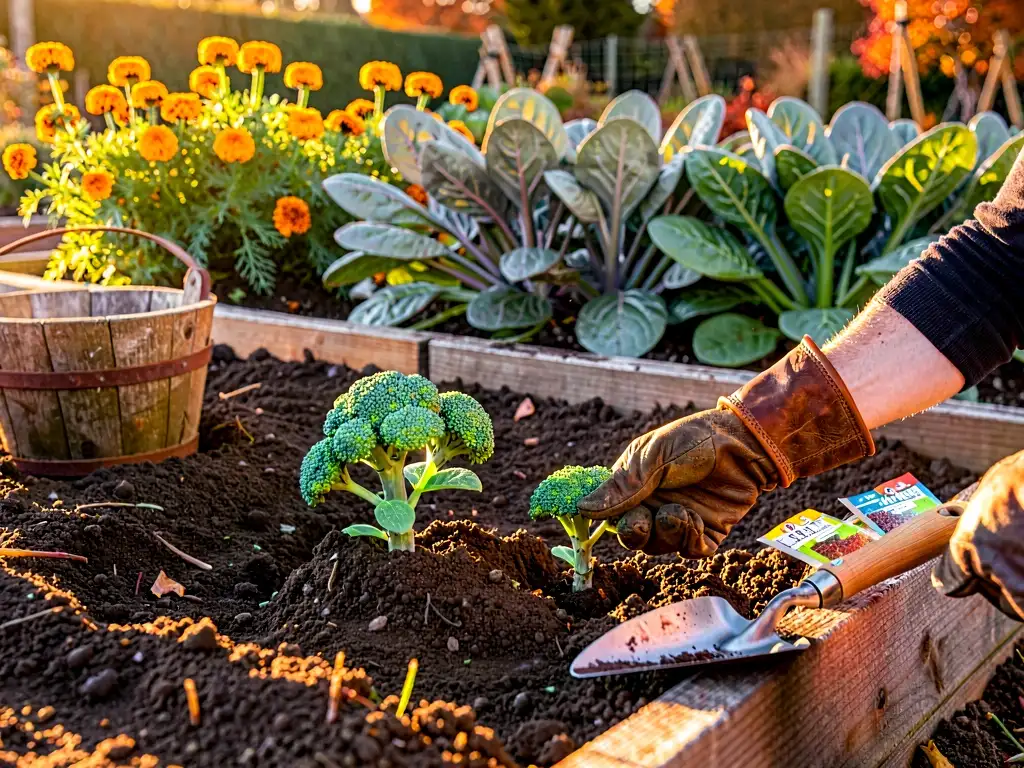
Maximize your yield and naturally deter pests by utilizing companion planting strategies. Plant calendula alongside your silverbeet and radishes to attract beneficial hoverflies and ladybirds that prey on aphids. Leeks grow exceptionally well next to celery, while cauliflower benefits from the proximity of spinach and peas.
Step 4: Flower Gardens and Spring Bulbs
Autumn preparation isn’t limited to the vegetable patch. The work you do now dictates your spring floral displays.
As summer annuals die back, replace them with winter-flowering varieties such as pansies, violas, snapdragons, and sweet peas. Sweet peas, in particular, should be sown before Anzac Day; they require rich soil, full sun, and a sturdy trellis to climb.
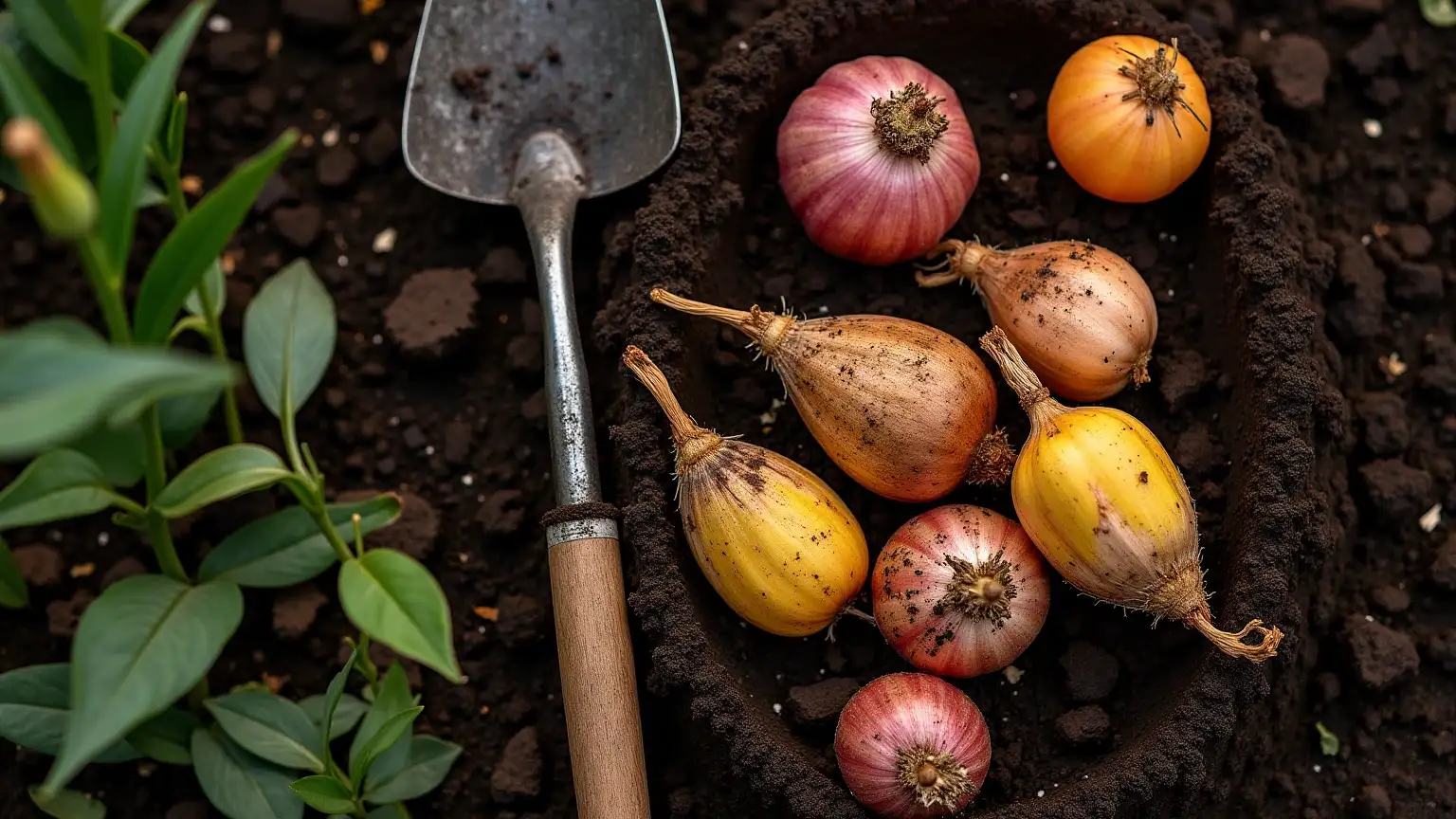
March through May is also the primary window for planting spring bulbs. Daffodils, tulips, freesias, and hyacinths should be planted in well-drained soil at a depth roughly twice the height of the bulb.
Step 5: Lawn Care and Renovation
Lawns endure significant stress over the hot Kiwi summer. The autumn combination of warm soil and incoming rain makes it the best time of year to repair patches or sow an entirely new lawn.
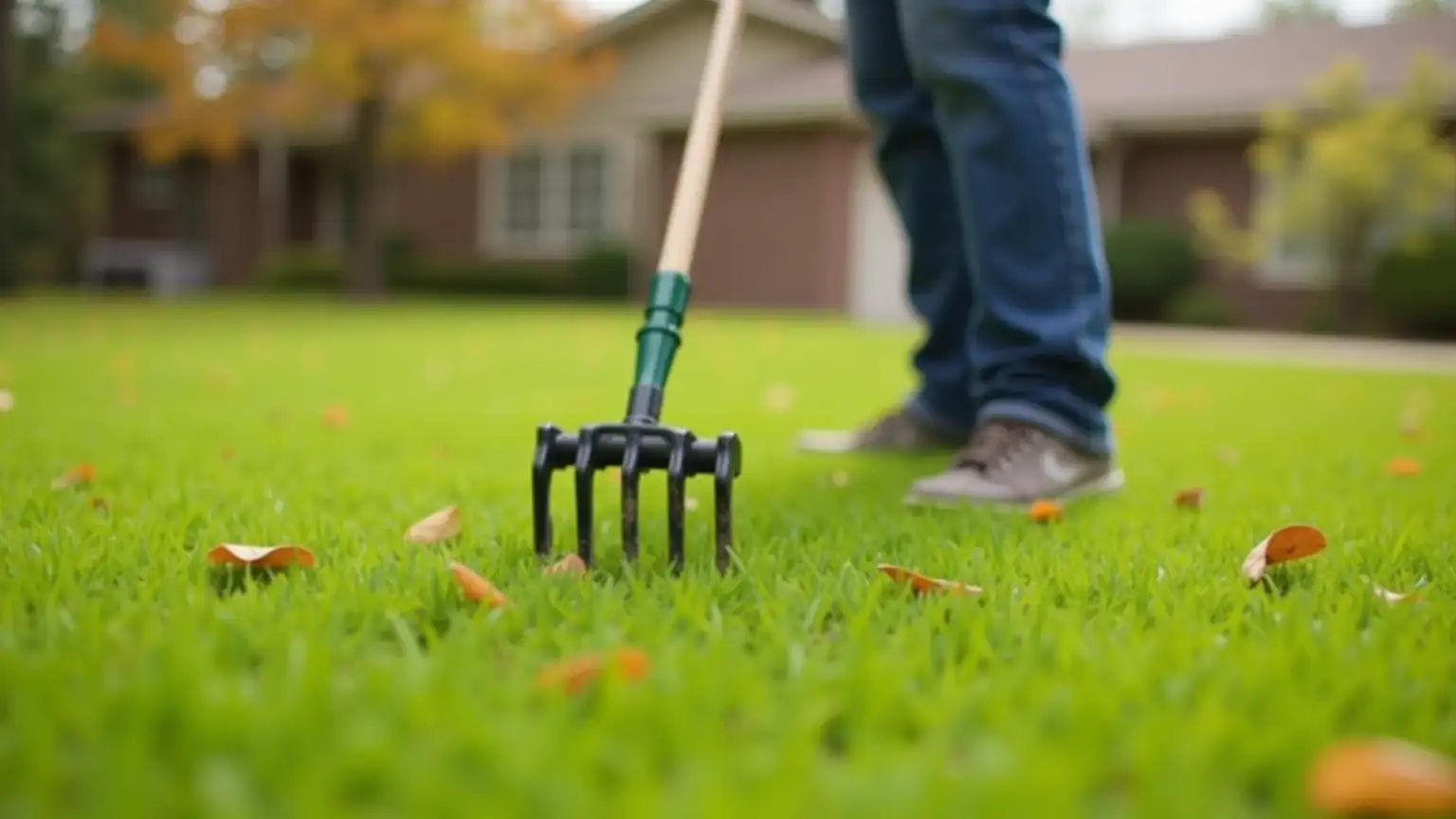
Aerate the Soil: Relieve compaction caused by summer foot traffic by aerating with a garden fork.
Sow Seed: Over-seed bare patches using a fast-germinating grass seed blend.
Fertilize: Apply a slow-release, granular lawn food designed to slip down to the roots and encourage dense, thick grass before the winter chill sets in.
Regional Climate Considerations
New Zealand’s diverse geography means autumn gardening varies slightly by region:
Warm Climates (Northland, Auckland): You have an extended planting window. You can successfully sow seeds for broccoli and cauliflower all the way through May. Keep a close eye on watering if you experience a dry “Indian summer.”
Temperate Climates (Waikato, Wellington): Focus on getting your main brassica crops in the ground by mid-April to ensure they size up before the shorter days slow their growth.
Cool Climates (Canterbury, Otago): Speed is critical. Plant established seedlings rather than sowing from seed late in autumn. Have cloches and frost cloth ready to protect tender young plants from sudden early frosts.
5 Common Beginner Mistakes to Avoid in Autumn
Ignoring Slugs and Snails: Dewy autumn nights bring out legions of slugs and snails that can decimate young seedlings overnight. Always apply organic snail pellets or slug control immediately after transplanting.
Watering Foliage Instead of Roots: As temperatures drop, water left on leaves evaporates slower, encouraging fungal diseases. Always water directly at the root zone, preferably using drip irrigation.
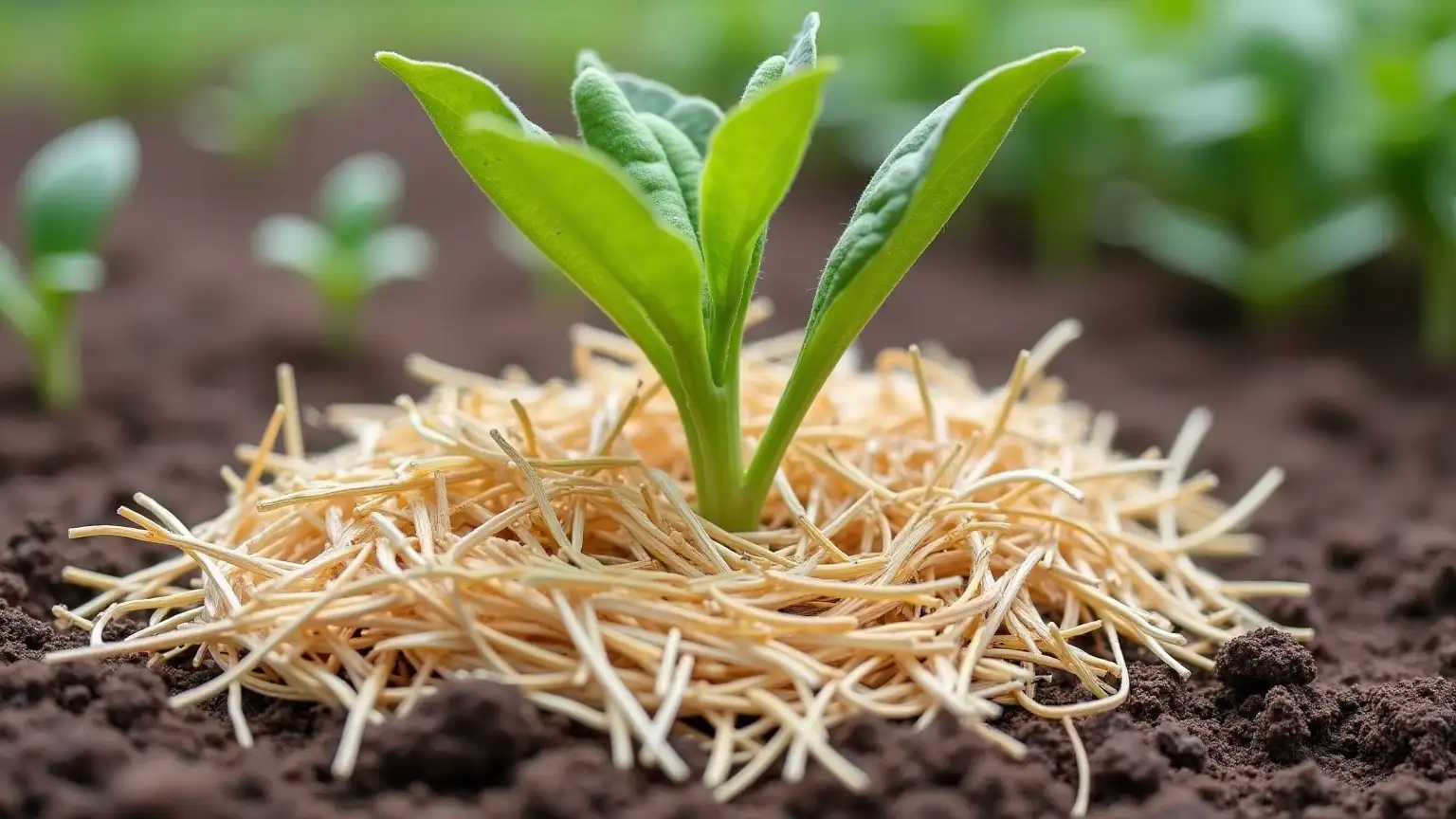
Leaving Soil Bare: Bare soil loses heat rapidly and is prone to weed invasions. Always cover unused beds with a thick layer of pea straw or leaf mulch to conserve warmth and moisture.
Planting Summer Crops Too Late: Resist the urge to plant a late crop of tomatoes or basil; the decreasing light levels and soil temperatures will lead to poor yields and disease.
Forgetting to Feed: Assuming that winter crops don’t need fertilizer is a major error. Cold soil slows down nutrient uptake, making it essential to have high-quality compost and slow-release fertilizers already integrated into the root zone.
Conclusion
Executing a thorough autumn garden preparation strategy sets off a chain reaction of success for the rest of the year. By clearing out the old, heavily enriching your soil with quality composts, and timing your plantings to align with the cooling temperatures, you create a resilient, highly productive garden. Don’t let the cooler weather keep you indoors—get your hands in the dirt this autumn and lay the groundwork for your best winter harvest yet.
Frequently Asked Questions
Can I plant peas in autumn?
Yes, peas actually prefer cooler weather. Look for fast-maturing, dwarf varieties like Massey or Dwarf Greenfeast, which mature in approximately 60 days and do not require elaborate staking. They are perfect for autumn sowing and will crop heavily before deep winter.
What is the best mulch to use in an autumn garden?
Pea straw, lucerne, or a thick layer of composted leaf mould are excellent choices. They provide exceptional insulation to keep the soil warm, suppress cool-season weeds, and gradually break down to add organic matter to your garden beds.
How often should I water my newly planted autumn seedlings?
While autumn brings more rain, newly planted seedlings still need consistent moisture to establish their root systems. Check the soil every few days; if the top 2 cm feels dry, water deeply at the base of the plant. Reduce frequency as the weather significantly cools and natural rainfall increases.
When exactly should I plant my spring-flowering bulbs?
The prime time to plant spring bulbs like daffodils, tulips, and freesias is between March and May. This allows the bulbs to establish strong root systems in the cool soil throughout winter, ensuring a spectacular and timely bloom in early spring.
Should I cut back my perennials in autumn?
Many herbaceous perennials die back naturally in late autumn. Once the top growth has yellowed and died down (typically late April or May), you can cut them back to the base. For evergreen perennials, simply prune away old, spent flower stems to make room for healthy spring growth.
Deprecated: File Theme without comments.php is deprecated since version 3.0.0 with no alternative available. Please include a comments.php template in your theme. in /home/u629940979/domains/jaxiq.com/public_html/wp-includes/functions.php on line 6131


Leave a Reply