
As the intense heat of the Kiwi summer begins to fade, a profound shift happens in the garden. The harsh, baking sun is replaced by crisp mornings, golden afternoons, and the unmistakable cool breeze of mid-autumn. For many, April feels like a winding down, but for the astute gardener, it is a period of immense opportunity. If you are looking for the definitive April seed sowing guide NZ, you have arrived at the right place. April is the undisputed “changeover month” in New Zealand horticulture—the crucial window where summer crops are pulled, and the winter garden is born.
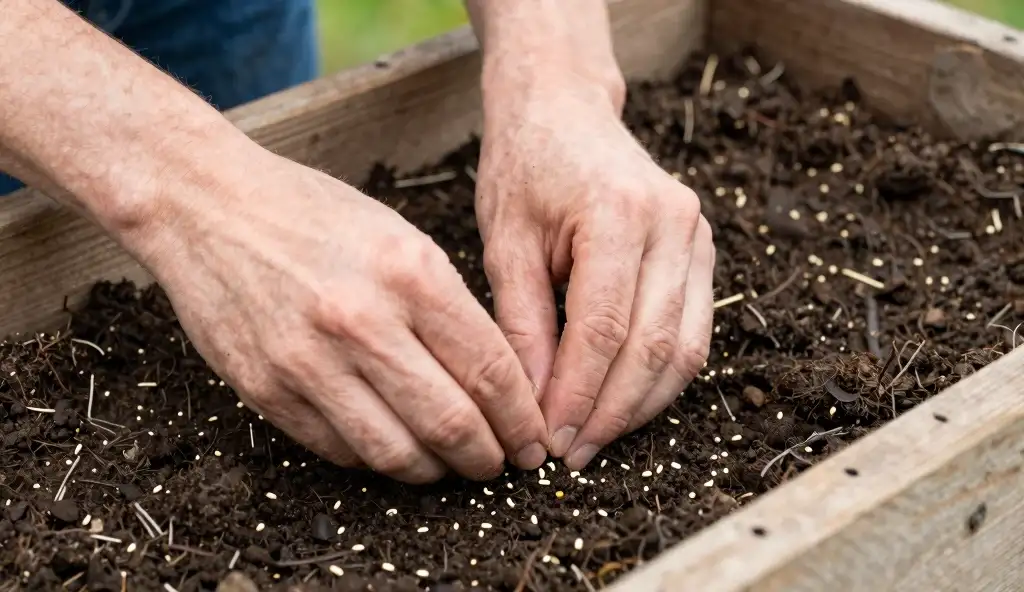
Sowing seeds in April is all about timing. The soil still holds the residual warmth of summer, which is absolutely vital for rapid seed germination, yet the cooling air temperatures reduce transpiration stress on young seedlings. Whether you are tending to a subtropical patch in Northland or racing against the first frosts in Southland, understanding exactly what to plant in April will dictate the abundance of your winter and early spring harvests. Let’s dive deep into the art and science of autumn planting.
Why April is the “Changeover Month” in Kiwi Gardens
The transition from March to April triggers a biological alarm clock in the plant kingdom. The daylight hours shorten, signaling to biennial and cool-season annuals that it is time to establish their root systems before the depths of winter arrive. Sowing seeds now gives your plants a massive head start. They spend the mild autumn weeks building robust root architecture in the warm soil. By the time the cold weather halts above-ground growth, these plants are securely anchored and ready to survive, gently ticking over until they explode with vigorous growth at the first sign of spring.
Furthermore, the pest pressure begins to shift. While you still need to be vigilant against the white cabbage butterfly early in the month, the relentless armies of summer aphids and whiteflies generally begin to wane. This makes establishing leafy greens and delicate brassica seedlings much easier. Upgrading your garden infrastructure now, such as installing new raised beds or repairing irrigation systems, ensures your soil drains well during the wetter winter months.
Top Vegetables to Sow in April
Creating a highly productive winter garden requires a strategic mix of leafy greens, hardy brassicas, robust root vegetables, and pungent alliums. Here is a comprehensive breakdown of the best seeds to sow in April.
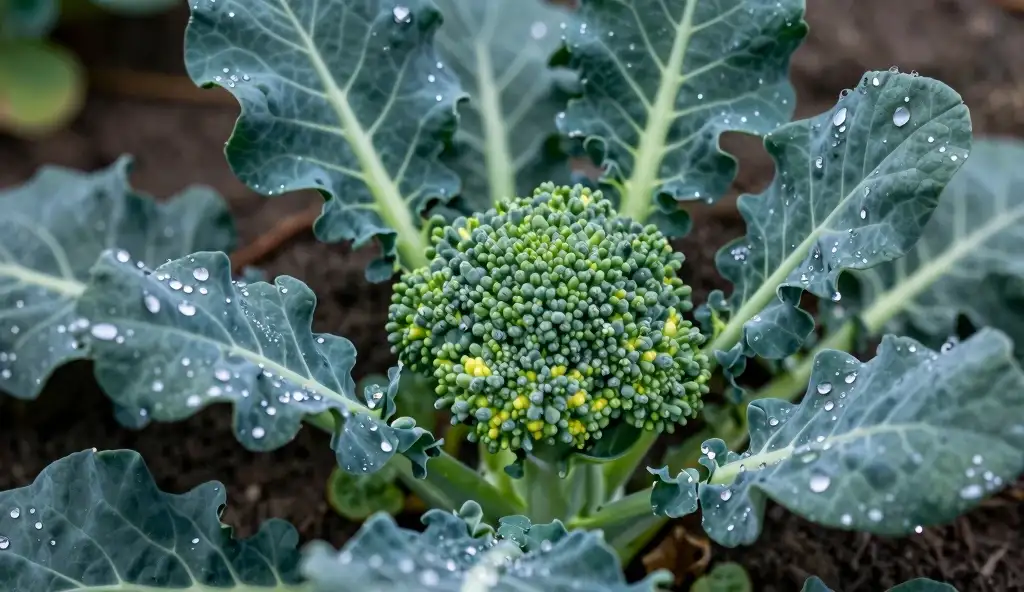
The Brassica Family (Cruciferous Vegetables)
Brassicas are the undisputed kings of the winter vegetable patch. They thrive in the cold and many actually taste sweeter after a light frost.
Broccoli: April is the perfect time to sow broccoli. Look for winter-harvest varieties like ‘Shogun Winter Harvest’ which form tight, firm, dome-shaped heads. Sow seeds into high-quality seed raising mix in trays. Keep them protected from late-season caterpillars. Transplant them deeply into the garden once they have two sets of true leaves, spacing them about 40-50cm apart. They require heavy feeding, so dig in plenty of sheep pellets or blood and bone prior to planting.
Cabbage: From dense, heavy drumheads to crinkly Savoy types, cabbages are incredibly rewarding. Sow cabbage seeds in trays or directly into well-prepared soil. Cabbages are heavy feeders and require a soil pH between 6.0 and 7.0. Ensure they receive consistent moisture to prevent the heads from splitting as they mature.
Cauliflower: Slightly more temperamental than broccoli or cabbage, cauliflower requires a long, uninterrupted growing season. Sowing in April allows them to mature slowly. They are sensitive to check in growth (stunting), so ensure they are watered regularly via a reliable drip irrigation system and fed with a balanced liquid fertilizer every two weeks.
Cavolo Nero and Kale: These leafy brassicas are incredibly cold-hardy and packed with nutrients. Cavolo Nero (Tuscan Kale) adds beautiful architectural height to the garden. Sow directly or in trays. Kale is rarely bothered by pests once the weather cools, making it a brilliant, low-maintenance cut-and-come-again crop.
Kohlrabi: Often overlooked, kohlrabi (like the ‘Green Duke’ variety) is a fast-growing, crisp, and sweet brassica that tastes like a mild turnip with a hint of radish. Because it matures in just 8 to 10 weeks, an April sowing will yield a fantastic mid-winter crop. Direct sow these seeds 1cm deep and thin them out to 15cm apart.
Leafy Greens for Continuous Harvests
Fast-growing and shade-tolerant, leafy greens are the engine room of the winter garden. They require soil rich in nitrogen.
Spinach: True English spinach (such as ‘Winter Queen’) absolutely despises summer heat, which causes it to bolt to seed immediately. April is its time to shine. It loves cool, damp conditions. Direct sow spinach seeds in clumps of two or three, spacing the clumps 20cm apart. Prepare the soil with rich compost and a specialized nitrogen fertilizer to encourage lush, dark green foliage.
Silverbeet (Swiss Chard): The backbone of the Kiwi winter garden, silverbeet is practically indestructible. Sow seeds directly into the garden. A single row of six plants is usually enough to feed a family through the entire winter. Harvest by twisting and pulling the outer leaves, leaving the inner crown to continue producing.
Winter Lettuces: Not all lettuces are created equal. Avoid crisphead varieties in autumn and opt for loose-leaf or butterhead types like ‘Lattuga Ciucca’ or classic Oakleaf. Sow them in protected spots or under cloches in cooler regions. They have shallow root systems, so keep the surface of the soil consistently moist.
Asian Greens: Pak Choy, Bok Choy (like the ‘Shanghai’ variety), and Mizuna are incredibly fast-growing. Sown in April, they can be harvested as baby greens in as little as 30 days. They are perfect for filling the awkward gaps between slower-growing brassicas.
Hardy Root Crops
Root vegetables need to be direct-sown. Transplanting them damages their delicate taproots, resulting in forked, deformed vegetables.
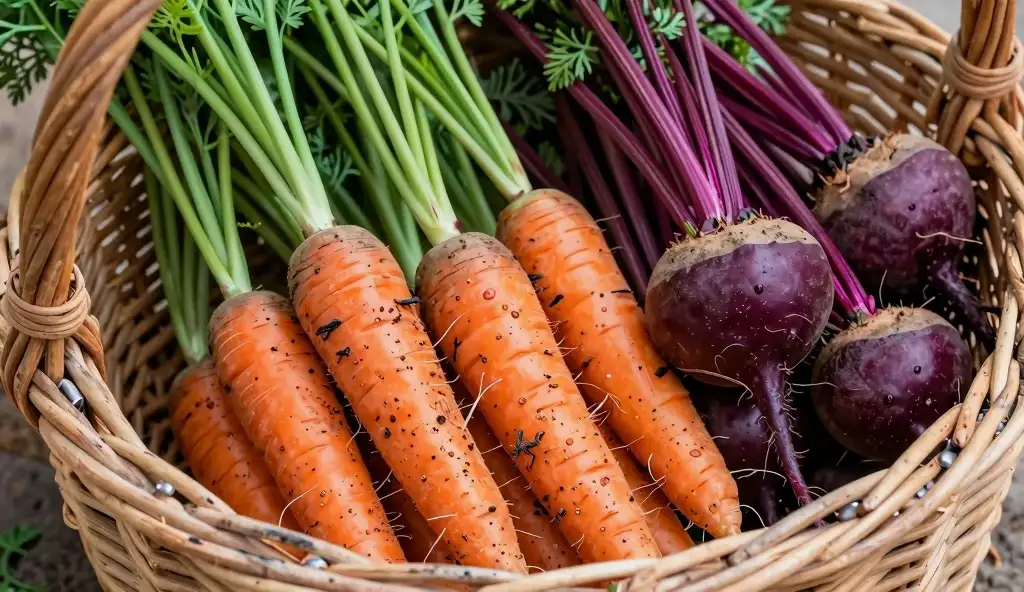
Carrots: Autumn-sown carrots are incredibly sweet. For heavy clay soils, choose short, stubby varieties like ‘Chantenay’. For deep, sandy loams, ‘Manchester Table’ is excellent. The secret to carrot germination is keeping the seedbed damp for up to 21 days. Cover the sown rows with a wooden board or shade cloth to trap moisture until the grass-like shoots appear.
Parsnips: Parsnip seeds have a notoriously short shelf life; always buy fresh seeds every year. Sow them in April so they have time to develop deep roots. They take a long time to germinate (up to 4 weeks) and up to 5 months to mature, but a winter parsnip roasted after a frost is a culinary masterpiece.
Beetroot: Beetroot seeds are actually clusters of seeds (seed balls), meaning multiple seedlings will emerge from a single “seed.” Direct sow them 2cm deep in rows. Once they are 5cm tall, you must thin them out to 10cm apart to allow the globes room to swell. The thinnings make an excellent addition to autumn salads.
Radishes: The ultimate beginner crop. Radishes can be sown every two weeks throughout April for a continuous supply. They are ready to eat in just 4 to 6 weeks. Use them as a “catch crop” between slower-growing vegetables.
Alliums: The Flavor Builders
April is the traditional month for planting the allium family, giving them the cold winter period they need to form bulbs.
Garlic: While technically grown from cloves rather than seed, April is prime garlic planting time. Source certified disease-free seed garlic. Break the bulb into individual cloves and plant them pointy-end up, about 5cm deep and 15cm apart in rich, well-draining soil. Do not plant supermarket garlic, as it is often treated with growth inhibitors.
Onions: Sowing onion seeds in April gives them the long vegetative growth period they need. Onions are daylight-sensitive; they grow leaves during the short days of winter and only begin forming bulbs when the days lengthen in spring. Sow them in seed trays and transplant them out when they are the thickness of a pencil.
Leeks: Leeks are incredibly hardy and will stand in the garden through snow and frost. Sow seeds in trays in April. When transplanting, drop them into deep holes (made with a dibber) and water them in—do not backfill the soil. This technique naturally blanches the stems, giving you long, tender white leeks.
Spring Onions: A fantastic filler crop. Sow spring onion seeds tightly in clumps. They take up very little space and can be harvested progressively.
April Seed Sowing Seasonal Care Chart
Use this handy reference table to determine the best sowing methods based on your climate zone during April.
| Plant Type | North Island (Warm/Subtropical) | Central NZ (Temperate) | South Island (Cool/Alpine) | Recommended Sowing Method |
|---|---|---|---|---|
| Broccoli & Cabbage | Sow Now | Sow Now | Plant seedlings (too late for seed) | Seed trays, then transplant |
| Spinach & Silverbeet | Sow Now | Sow Now | Sow in cloches/greenhouse | Direct sow |
| Carrots & Parsnips | Sow Now | Sow Now | Avoid (ground too cold soon) | Strictly direct sow |
| Garlic (Cloves) | Plant late April | Plant Now | Plant Now | Direct plant into beds |
| Onions & Leeks | Sow Now | Sow Now | Sow in trays indoors | Seed trays, then transplant |
| Peas & Broad Beans | Sow Now | Sow Now | Sow Now | Direct sow |
Flowers to Sow in April for Spring Blooms
A productive garden isn’t just about vegetables. Sowing flower seeds in autumn is the secret to a spectacular early spring display that will draw in beneficial pollinators just as your fruit trees begin to blossom.
Sweet Peas
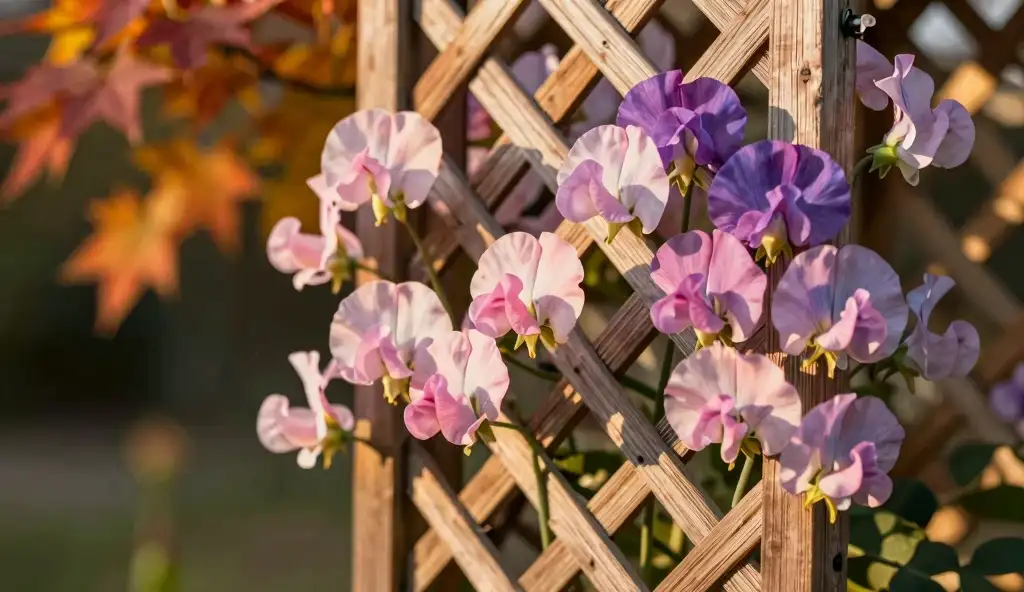
In New Zealand, it is a long-standing gardening tradition to sow sweet peas before Anzac Day (April 25th). Sweet peas are deep-rooted and hungry. Prepare a trench enriched with compost and a little lime, as they prefer slightly alkaline soil. Provide a sturdy trellis or teepee for them to climb. Sowing in April allows them to develop a massive root system over winter, resulting in thicker stems and earlier, more prolific, highly fragrant blooms in spring.
Poppies (Flanders and Iceland)
Flanders poppies and delicate Iceland poppies thrive when sown in autumn. Their seeds are dust-like. To sow, mix the tiny seeds with a handful of fine dry sand to help you scatter them evenly over prepared soil. Do not bury the seed; they require light to germinate. Simply press them gently into the surface of the soil and mist lightly with water.
Pansies, Violas, and Calendula
These are the cheerleaders of the winter garden. Pansies and violas can be sown in trays and planted out into hanging baskets, pots, or garden borders. They will continue to flower through the coldest months if you regularly deadhead the spent blooms. Calendula (pot marigold) is not only beautifully bright but its edible petals are fantastic in salads, and the plant acts as a trap crop for aphids.
Step-by-Step: How to Prep Your Soil and Sow Seeds in Autumn
Success in the autumn garden relies heavily on preparation. The soil has worked hard all summer and needs to be replenished before the new crops go in.
- Clear the Debris: Remove spent summer crops like tomatoes, courgettes, and beans. Do not compost tomato plants if they suffered from late blight; burn them or bin them instead.
- Reinvigorate the Soil: Spread a 5cm layer of high-quality compost or aged animal manure over your beds. Add an organic slow-release fertilizer (like sheep pellets or blood and bone) and gently fork it into the top 10cm of the soil. Do not turn the soil over deeply, as this destroys the delicate fungal networks.
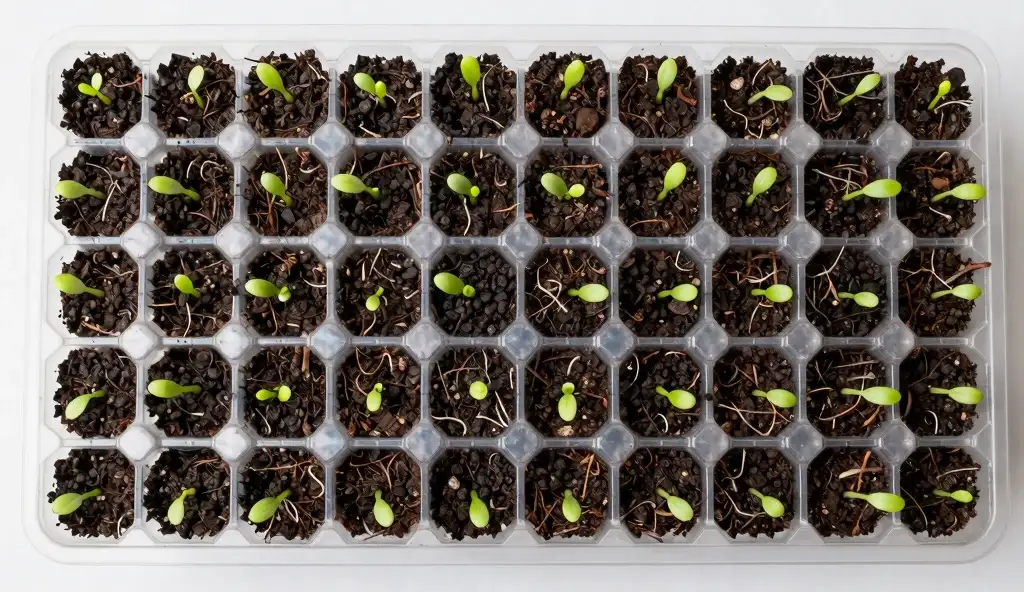
- Select the Right Sowing Method: Use fresh, premium seed raising mix for seeds started in trays (brassicas, leeks, lettuces). For direct-sown seeds (root crops, peas), ensure the soil is raked to a fine, crumbly tilth so the delicate seedlings can easily push through the surface.
- Sow at the Correct Depth: A universal rule of thumb is to plant a seed twice as deep as its longest dimension. Tiny seeds (like carrots) should barely be covered, while large seeds (like peas) should be pushed down 3-4cm.
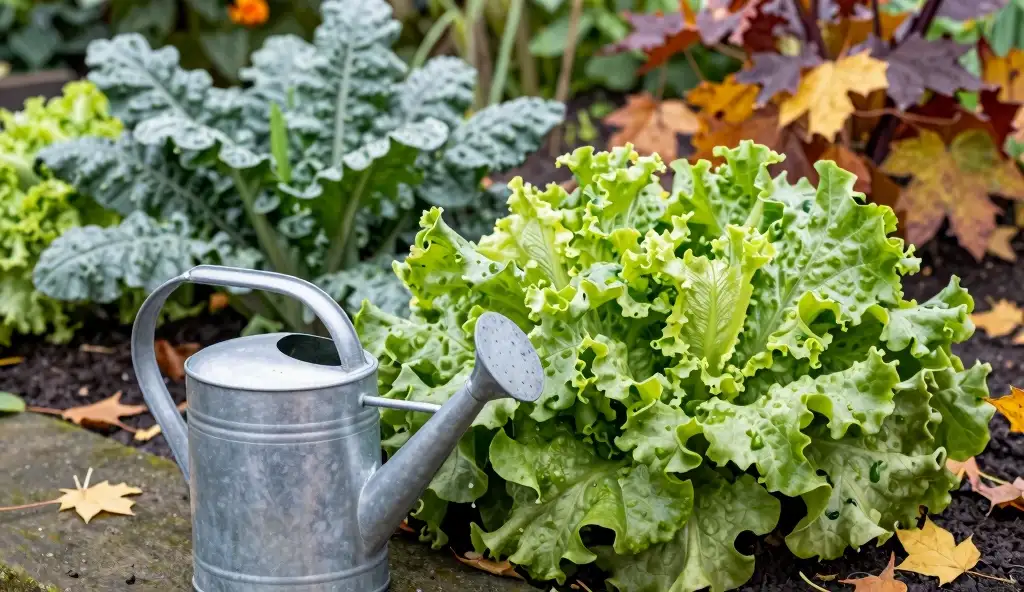
- Watering: Water the seedbed or tray gently using a watering can with a fine rose attachment. You want to moisten the soil without dislodging the seeds.
- Protection: As the weather cools, utilize cloches or frost cloth to protect tender emerging seedlings from sudden cold snaps. Keep a vigilant eye out for slugs and snails, which multiply rapidly in damp autumn conditions.
(See our full Raising Seeds Indoors guide)
Climate Considerations for New Zealand
New Zealand’s geography means that “April” looks very different depending on where you live. Tailoring your approach to your specific region is non-negotiable.
Warm Climates (Northland, Auckland, Bay of Plenty, Gisborne)
In the upper North Island, April is incredibly mild. The soil is still very warm, and you can get away with late sowings of bush beans or even a final round of zucchini if you have a sheltered microclimate. The biggest challenge here is high humidity leading to fungal issues. Ensure your winter crops are spaced adequately to allow for good airflow.
Temperate Climates (Waikato, Taranaki, Wellington, Nelson, Marlborough)
This is the “goldilocks” zone for April planting. The transition is steady and predictable. It is the perfect time to direct sow root crops and plant out trays of brassicas. In windy areas like Wellington, ensure tall crops like broad beans are staked early to prevent them from snapping in autumn gales.
Cool Climates (Canterbury, Otago, Southland)
In the deep south, April is a race against time. The soil temperature is dropping rapidly. While you can still direct sow fast-maturing crops like radishes and spinach, larger crops like broccoli and cabbage should have been sown in February or March. In April, your focus should be on planting advanced seedlings rather than seeds, or utilizing a glasshouse or indoor grow lights to extend the season.
Common Beginner Mistakes When Sowing in April
- Holding on to Summer Too Long: Beginners often leave a sickly, non-producing tomato plant in the ground until May, wasting valuable weeks of autumn sunshine. Be ruthless. Pull underperforming summer crops to make way for winter staples.
- Ignoring Snail and Slug Control: Autumn rains bring out armies of mollusks. A single snail can decimate a tray of freshly sprouted broccoli overnight. Use organic slug baits, beer traps, or head out at night with a torch to manually remove them.
- Overwatering Cool Soils: In summer, you water to cool the soil and hydrate the plant. In autumn, evaporation rates drop significantly. Overwatering seeds in cool soil will cause them to rot before they even germinate. Keep soil moist, but never waterlogged.
- Planting Too Deeply: In the cooler autumn soils, planting seeds too deeply means they run out of energy before breaking the surface. Always adhere to the specific depth instructions on the seed packet.
April Gardening FAQ
What is the best vegetable to plant in April in NZ?
Brassicas (broccoli, cabbage, cauliflower) and root vegetables (carrots, beetroot) are exceptional choices for April. However, if you want fast results, leafy greens like spinach, silverbeet, and Asian greens are the most reliable and rewarding vegetables to sow this month.
Can I still plant tomatoes in April in New Zealand?
Unless you live in the far north (Northland) and have a heated glasshouse, it is much too late to plant tomatoes in April. Tomatoes require high heat and long daylight hours to fruit. Focus your energy on cool-season crops instead.
Should I start my April seeds indoors or outdoors?
This depends on the crop and your region. Root crops (carrots, parsnips, radishes) must always be sown outdoors directly where they will grow. Brassicas, leeks, and lettuces are best started indoors or in a sheltered spot in trays, giving them a protected head start before transplanting.
When should I plant sweet peas in NZ?
The traditional wisdom in New Zealand is to sow sweet pea seeds before Anzac Day (April 25th). Sowing in mid-to-late April gives the seeds time to germinate and build strong, deep roots over winter, preparing them for an explosive vertical growth spurt and early flowering in spring.
How do I protect my April seedlings from pests?
The primary autumn pests are slugs, snails, and the lingering white cabbage butterfly. Use organic snail bait or physical barriers like crushed eggshells around vulnerable seedlings. For brassicas, cover the seedlings with fine insect mesh immediately after planting to prevent butterflies from laying their eggs on the leaves.
Do seeds need fertilizer when planted in autumn?
Seeds do not need fertilizer to germinate, as they contain their own energy stores. However, once they develop their first set of “true leaves,” they need nutrition. Digging organic compost, sheep pellets, or blood and bone into the garden beds before sowing ensures the soil is nutrient-rich by the time the seedling roots reach down to feed.
Conclusion
Embracing the shift in seasons is one of the greatest joys of gardening. By following this comprehensive April seed sowing guide NZ, you can transform your garden from a fading summer relic into a vibrant, productive winter sanctuary. Remember that autumn gardening is all about foresight; the seeds you lovingly press into the soil now will be the hearty soups, crisp salads, and bright floral bouquets that sustain you through the coldest months of the year. So, grab your seed packets, pull on your boots, and take advantage of the beautiful, crisp April days ahead. Happy planting!
Leave a Reply