We use cookies to improve your experience, analyze traffic, and display personalized ads.
By clicking "Accept", you consent to the use of cookies in accordance with our Privacy Policy.
How to Grow Basil in New Zealand: The Ultimate Guide for Lush, Flavourful Leaves
Learning how to grow basil is a rite of passage for every New Zealand gardener. Whether you want to toss fresh leaves into a summer salad, blend up a classic pesto, or simply enjoy its sweet, peppery fragrance on a warm afternoon, basil is an indispensable herb. While it is incredibly rewarding to grow, it can also be notoriously fussy if you don’t get the basics right. From battling the unpredictable Kiwi spring to preventing the dreaded “bolting” in summer heat, this comprehensive guide covers everything you need to know to cultivate a bumper crop of basil.
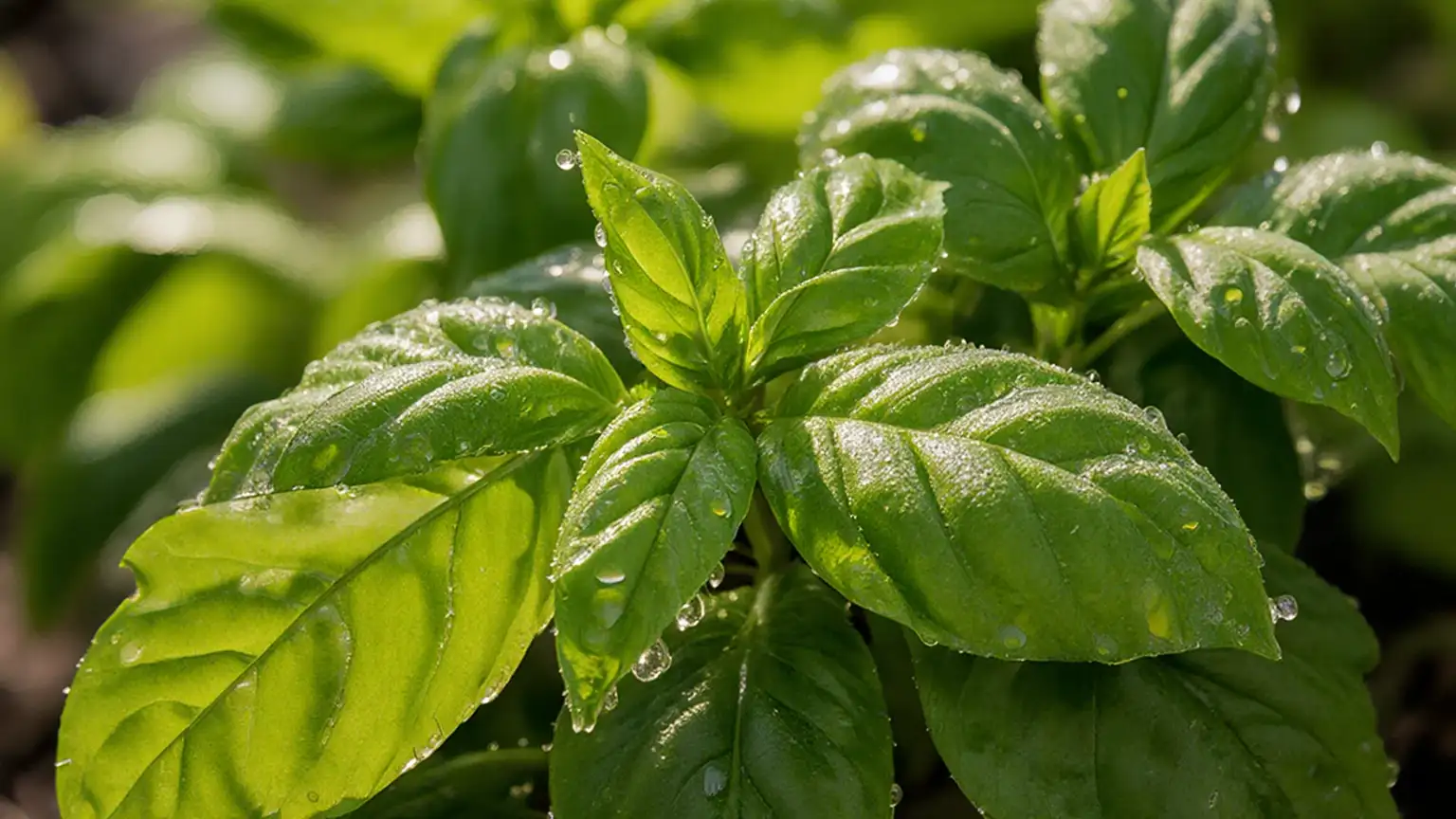
Basil (Ocimum basilicum) is a warm-season annual herb that thrives in the heat. Originally from tropical regions, it demands a warm, sunny spot and well-draining soil. In New Zealand, it is typically grown as a summer crop, though with the right setup, you can keep it thriving indoors year-round.
Ideal Growing Conditions for Basil
Sunlight Requirements
Basil is a sun-worshipper. To produce those large, aromatic leaves, it needs at least 6 to 8 hours of direct sunlight each day. If your garden gets overwhelmingly hot in mid-summer, providing a little dappled afternoon shade can prevent the leaves from scorching. .
Soil and pH Needs
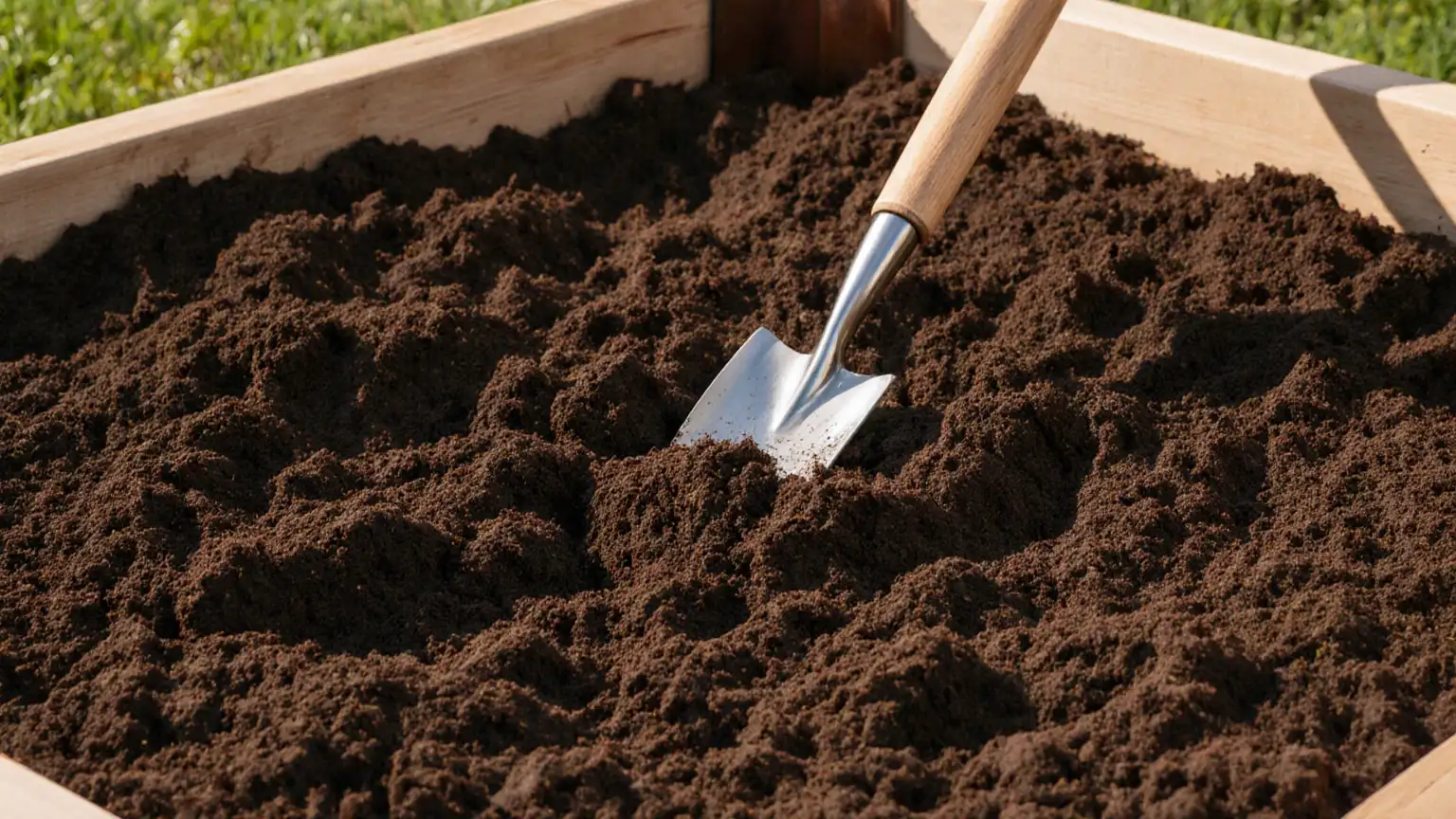
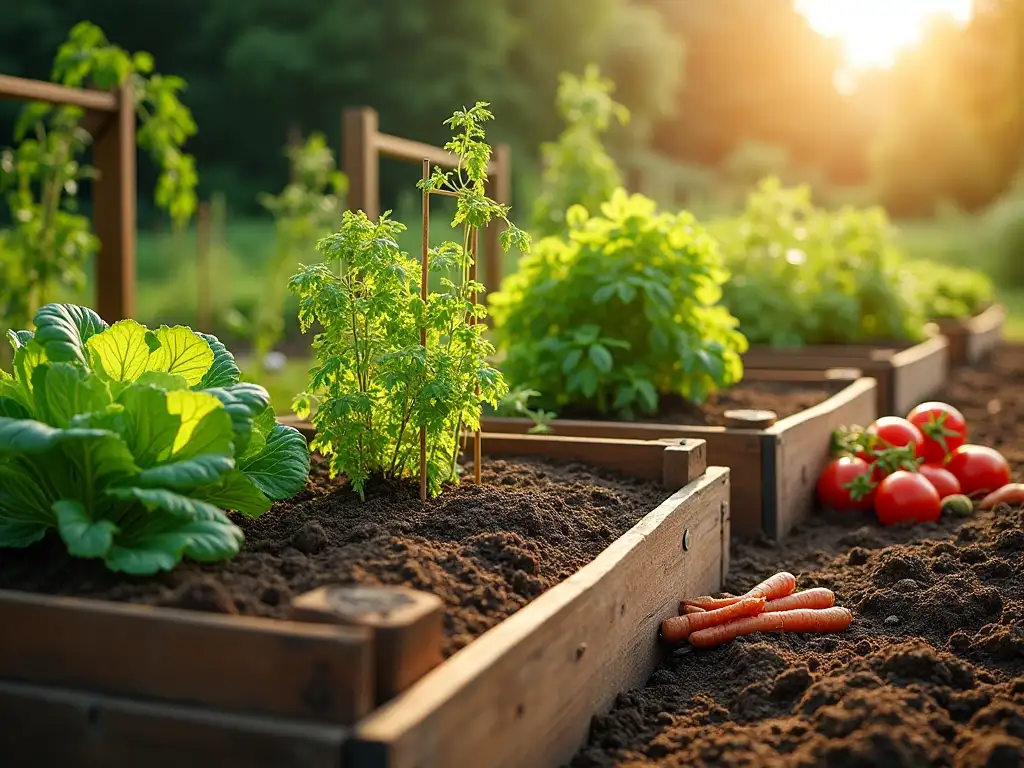
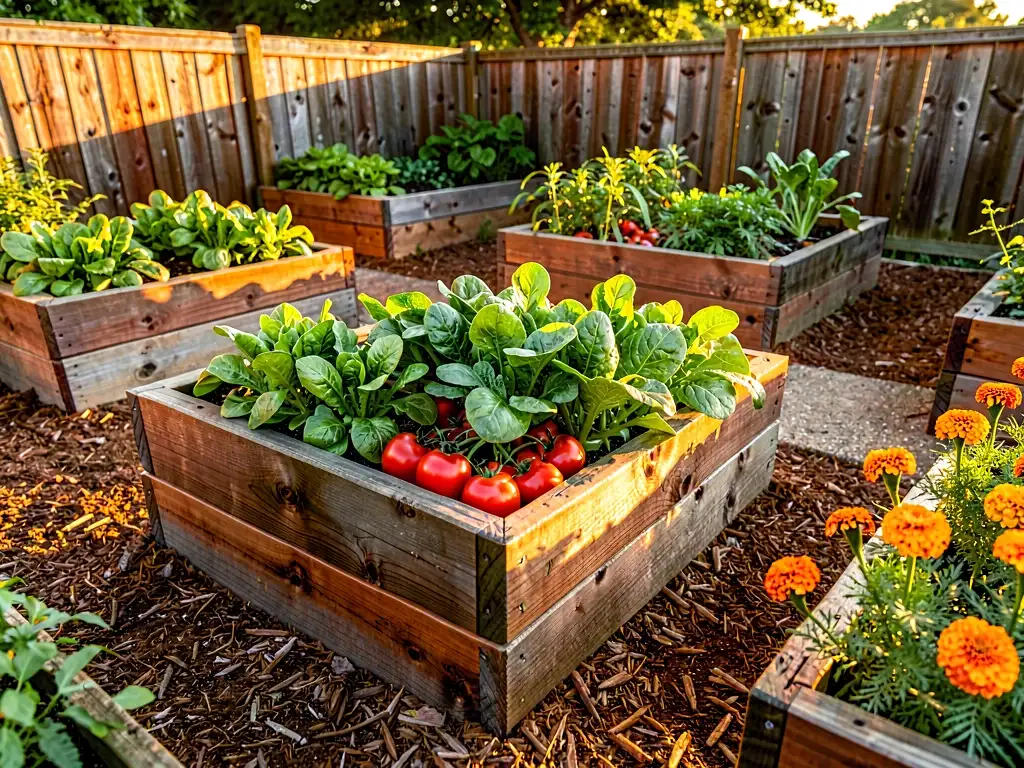
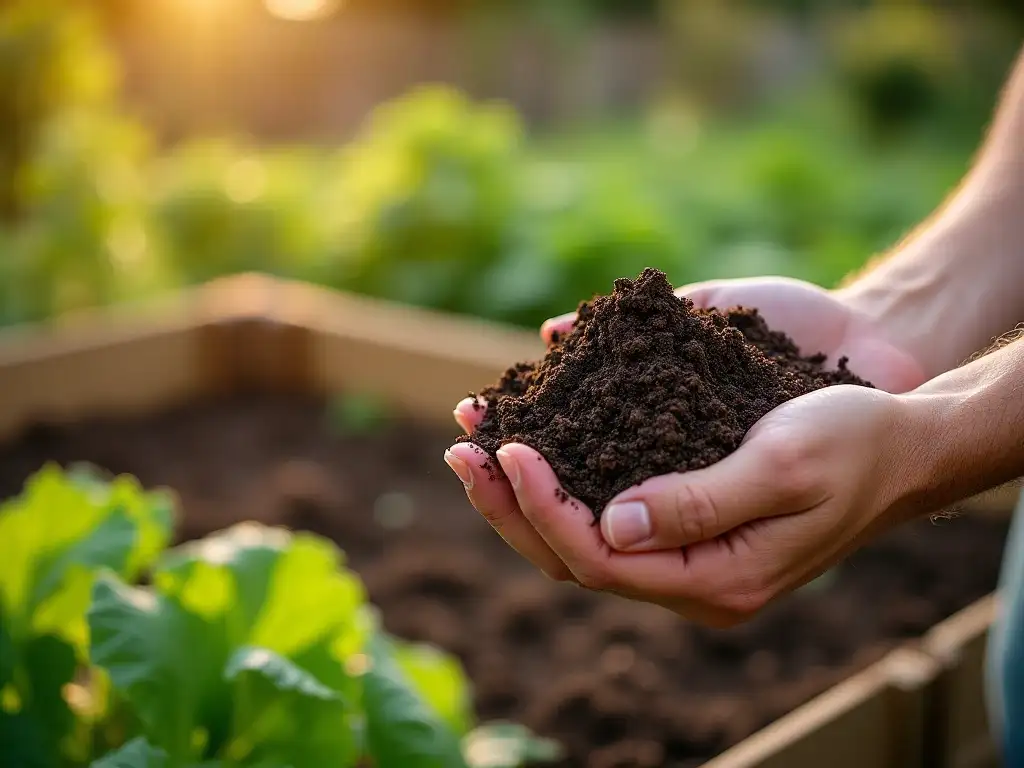
The secret to thriving basil is rich, crumbly, free-draining soil with a pH between 6.0 and 7.0. If you are dealing with heavy New Zealand clay, your basil will struggle with “wet feet.” In clay-heavy areas, amend your garden beds with generous amounts of premium garden mix and compost, or stick to raised beds and containers filled with a high-quality herb potting mix. .
When to Plant Basil in New Zealand
Patience is key. One of the biggest mistakes Kiwi gardeners make is planting basil too early in spring when the soil is still cold. Basil despises cold weather and will sulk, turn yellow, or die if exposed to late frosts.
NZ Climate Zone
Seed Sowing (Indoors)
Planting Seedlings (Outdoors)
Winter Care
Warm (Northland, Auckland)
August – September
Late September – October
Can survive in sheltered, frost-free spots or under glass
Temperate (Waikato, Wellington)
September
Late October (post-Labour Weekend)
Grow indoors on a sunny windowsill
Cool (Canterbury, Otago, Southland)
September – October
Mid-November – December
Must be grown indoors with grow lights or heated greenhouse
How to Plant Basil: Step-by-Step
Starting from Seed
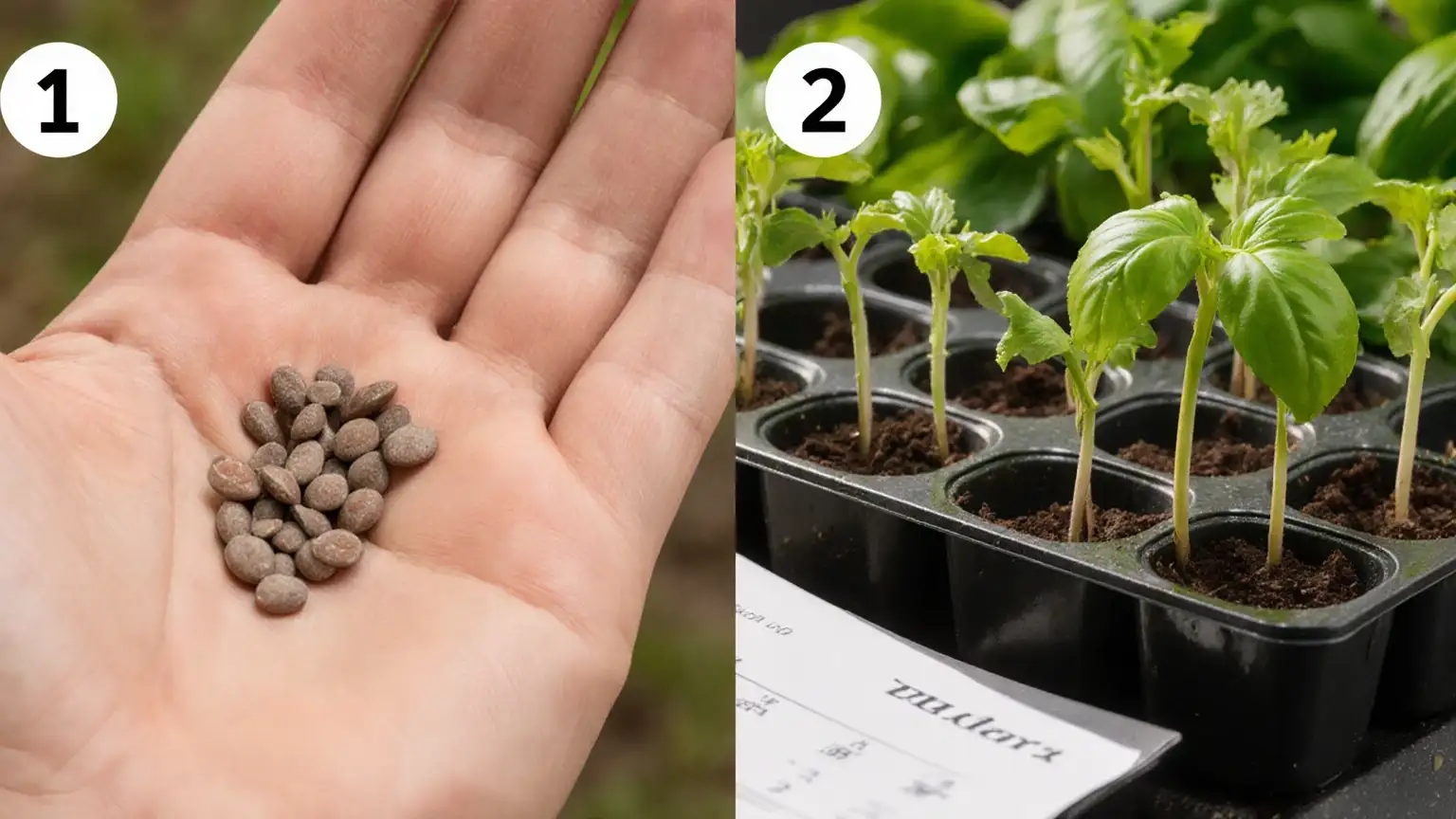
Growing basil from seeds is highly economical. You can start seeds indoors about 4-6 weeks before your region’s last expected frost.
>Prepare your trays: Fill a seed tray or small pots with a premium seed-raising soil mix.
>Sow the seeds: Sprinkle the tiny seeds thinly and cover them with just 3mm of soil.
>Moisten: Mist the soil gently with water so you don’t wash the seeds away. Keep the soil consistently damp but not waterlogged.
>Provide warmth: Place the tray on a sunny, north-facing windowsill or use a heat mat. Germination typically takes 7 to 12 days. (See our full starting seeds indoors guide) //–>.
>Thin them out: Once the seedlings develop their second set of leaves (true leaves), thin them out, keeping only the strongest plants.
Transplanting Seedlings
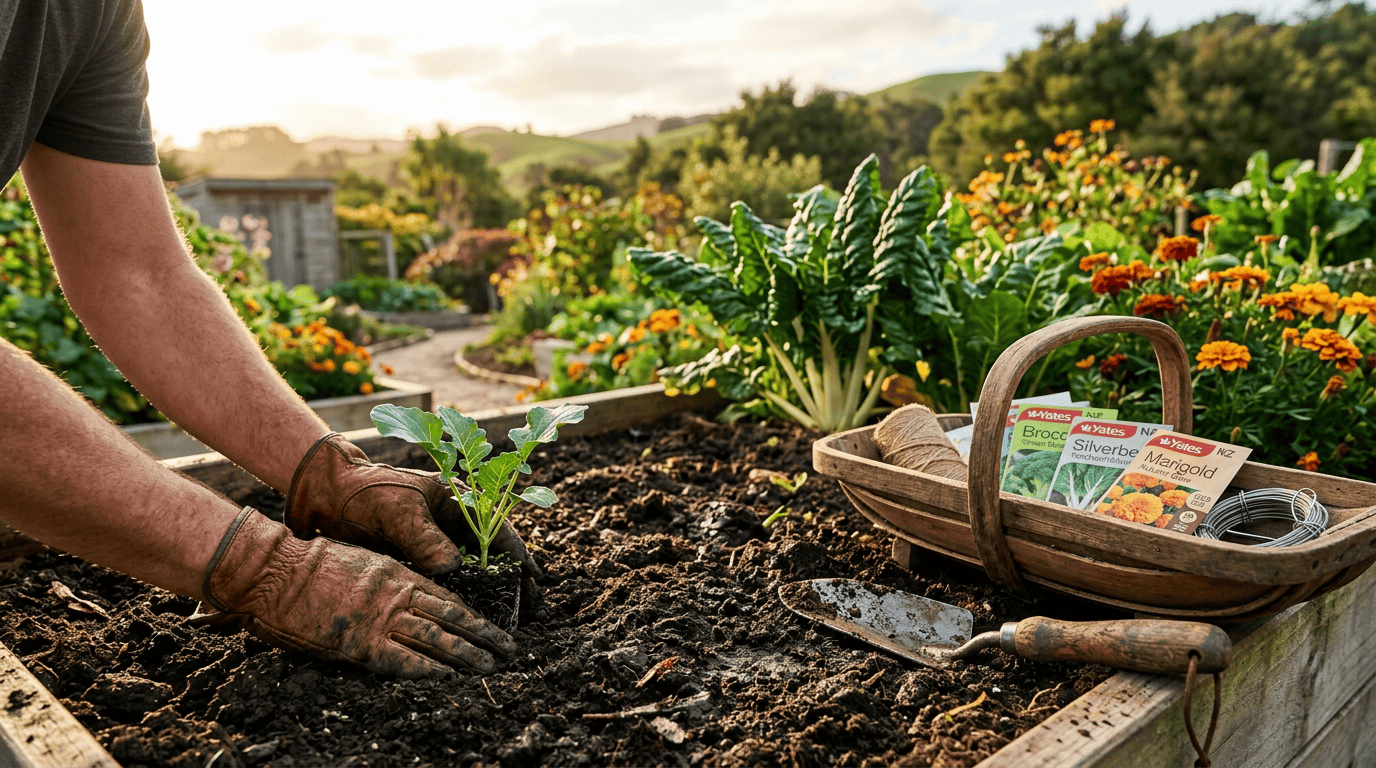
Whether you’ve raised them from seed or bought them from a garden centre, transplanting requires care to avoid root shock.
>Prepare the site: Dig in plenty of compost and sheep pellets to enrich the soil.
>Space them right: Dig a hole twice the width of the root ball. Space your plants about 20cm apart to ensure excellent airflow and reduce the risk of fungal disease.
>Seaweed boost: Soak the seedling’s root ball in a bucket of water mixed with a liquid seaweed tonic to reduce transplant shock before planting.
>Plant and water: Settle the plant into the hole, gently press the soil around the base, and water thoroughly.
Basil Care and Maintenance
Watering Needs
Basil loves moisture but hates swimming in it. Water your plants at the base early in the morning, avoiding the leaves to prevent mildew. In the height of summer, especially if grown in containers, you may need to water daily. Installing a simple drip irrigation system can help maintain consistent soil moisture without the risk of overwatering.
Fertilising Schedule
Because you are constantly harvesting the leaves, basil needs regular feeding to push out new growth. Feed your basil every two weeks with a nitrogen-rich liquid fertiliser or an organic fish emulsion. If you are planting in raised beds, a slow-release granular fertiliser applied at the start of the season works wonders.
Pruning and Preventing Bolting
During the hot mid-summer months, basil has an exasperating habit of “bolting” (going to flower and setting seed). Once it flowers, the leaves become tough and bitter. To prevent this:
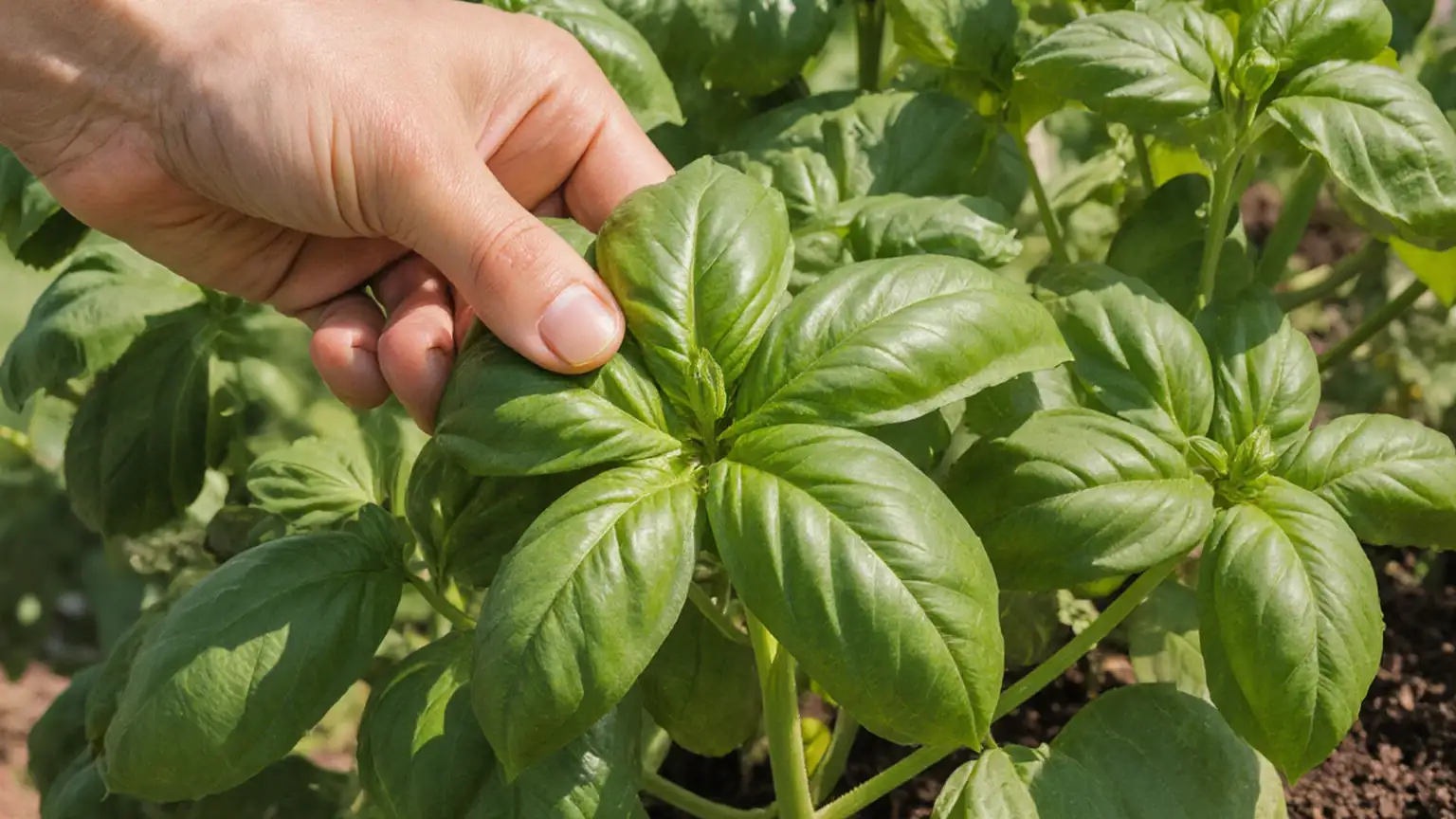
>Pinch out the central stem when the plant is about 15cm tall to encourage a bushy habit.
>Regularly harvest the tips of the branches.
>If you spot flower buds forming, snip them off immediately.
>Note: If you let one or two plants flower at the end of the season, the bees will love them, and you can save the seeds for next year!
Companion Planting with Basil
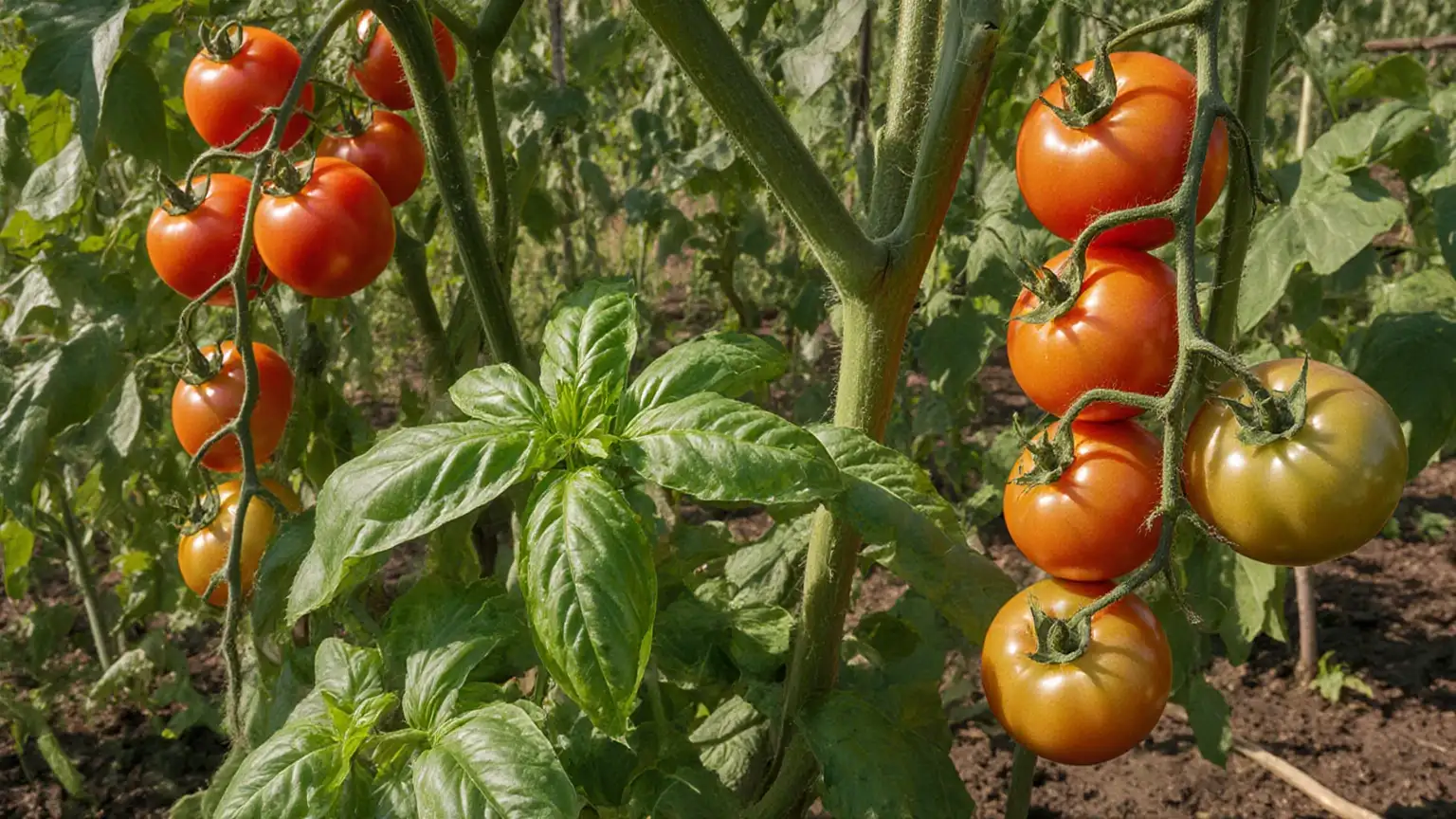
Basil is a fantastic team player in the vegetable garden. Its strong scent helps deter pests like aphids and whiteflies.
>Best Companions: Tomatoes (they thrive together both in the dirt and on the plate!), capsicums, oregano, and asparagus. .
>Plants to Avoid: Rue and common sage, which require different soil and moisture conditions.
Common Problems and Beginner Mistakes
Even though growing basil is straightforward, beginners often encounter a few hurdles.
Beginner Mistakes
>Planting Supermarket Basil Directly: Those lush pots of basil from the supermarket are usually tightly packed with dozens of seedlings grown in a hothouse. If you plant them straight outside, they will often fail. You need to carefully divide the seedlings, repot them into quality potting mix, and harden them off over a week before planting them in the garden.
>Planting Too Early: Planting before soil temperatures have reliably warmed up will severely stunt the plant’s growth.
>Overwatering: Yellow, drooping leaves usually indicate root rot from poor drainage or excessive watering. Always check that the top 2-3cm of soil is dry before watering again.
Pest Control
Snails, slugs, and caterpillars love tender basil leaves just as much as you do. Protect young seedlings with organic slug bait, crushed eggshells, or beer traps. .
Harvesting Basil for Maximum Yield
You can begin harvesting leaves once the plant is around 15cm tall (usually 6-8 weeks from sowing). For maximum flavour and essential oil content, pick your basil leaves in the early morning after the dew has dried but before the hot midday sun hits them. Always pinch stems just above a pair of lower leaves; this signals the plant to grow two new branches from that point, resulting in a bushier, higher-yielding plant.
Frequently Asked Questions (FAQ)
Can I grow basil indoors year-round?
Yes, basil can be grown indoors year-round if provided with enough warmth and light. You will need a sunny, north-facing window or the help of full-spectrum grow lights to ensure the plant gets the 6-8 hours of light it needs to thrive.
Why are the leaves on my basil turning yellow?
Yellow leaves are typically a sign of overwatering, poor drainage, or a lack of nutrients (specifically nitrogen). Ensure your soil is free-draining, allow the top layer to dry out between waterings, and apply a liquid nitrogen-rich fertiliser to boost foliage growth.
Should I let my basil plant flower?
No, unless you want the plant to stop producing leaves. Once basil flowers and goes to seed, its energy shifts from foliage production to reproduction, causing the leaves to become bitter. Pinch off flower buds as soon as you see them.
What is the best way to store fresh basil?
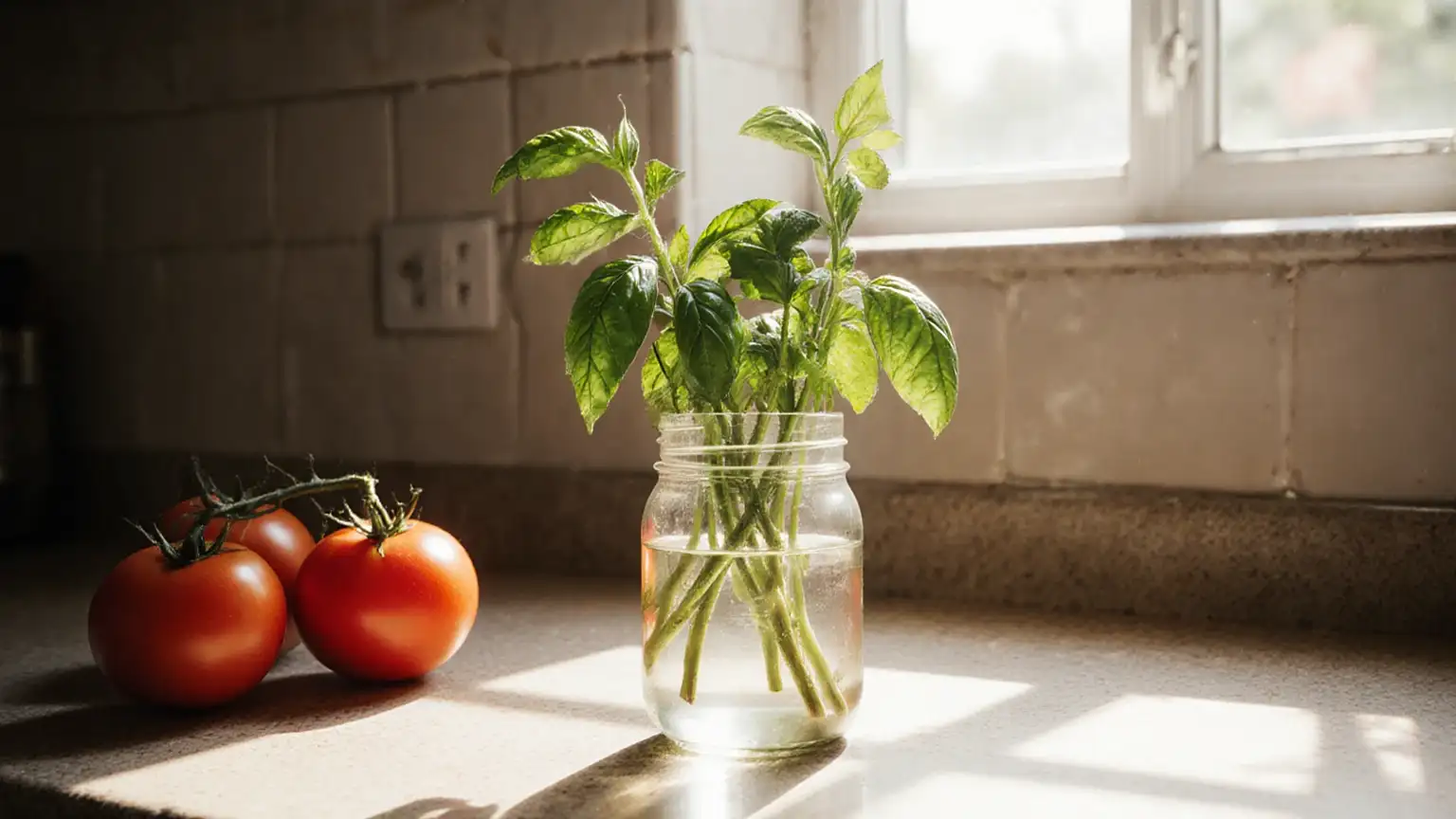
Do not put fresh basil in the fridge, as the cold will turn the leaves black. Instead, trim the stems and place them in a glass of water on your kitchen bench, much like a bouquet of flowers. Change the water every few days.
Does basil grow back after cutting?
Absolutely! Basil is a “cut-and-come-again” herb. As long as you harvest correctly by cutting the stem just above a pair of leaf nodes, the plant will push out new lateral branches and continue to produce fresh leaves throughout the season.
Conclusion
Learning how to grow basil is an incredibly fulfilling journey that brings unbeatable freshness to your kitchen. By providing plenty of sunlight, maintaining good drainage, and staying on top of your pruning and harvesting, you can enjoy a continuous, lush supply of this aromatic herb right through the New Zealand summer. Get your hands dirty, plant a few seedlings, and enjoy the delicious rewards of your own homegrown basil!
Deprecated: File Theme without comments.php is deprecated since version 3.0.0 with no alternative available. Please include a comments.php template in your theme. in /home/u629940979/domains/jaxiq.com/public_html/wp-includes/functions.php on line 6131

Leave a Reply