We use cookies to improve your experience, analyze traffic, and display personalized ads.
By clicking "Accept", you consent to the use of cookies in accordance with our Privacy Policy.
Organic vs Synthetic Fertiliser: The Ultimate Guide for a Thriving Garden
A lush, productive garden starts from the ground up, but navigating the plant food aisle can be incredibly overwhelming. The ongoing debate surrounding organic vs synthetic fertiliser has divided horticulturists, farmers, and backyard gardeners for decades. You want the best yields, the brightest blooms, and the healthiest soil, but which feeding method actually delivers the results you are looking for?
The truth is that plants do not care where their nutrients come from on a molecular level. A nitrogen ion is exactly the same whether it comes from a laboratory or a compost pile. However, the delivery method, the speed of absorption, and the long-term impact on your soil ecosystem vary dramatically between these two options. Understanding these core differences is the absolute key to mastering your garden’s fertility and long-term success.
If you are focused on building long-term soil health, fostering microbial life, and creating a sustainable garden ecosystem, organic fertilisers are the undisputed winner. They feed the soil biology first, which in turn feeds the plant, creating a resilient and self-sustaining environment over multiple growing seasons.
On the other hand, if you need to correct a severe nutrient deficiency rapidly, are growing in sterile potting media, or want precise control over exact nutrient ratios, synthetic plant food offers unmatched speed and accuracy. Many expert gardeners actually rely on a strategic combination of both to maximize plant performance.
Understanding the Basics: What Are They?
Organic Fertiliser Explained
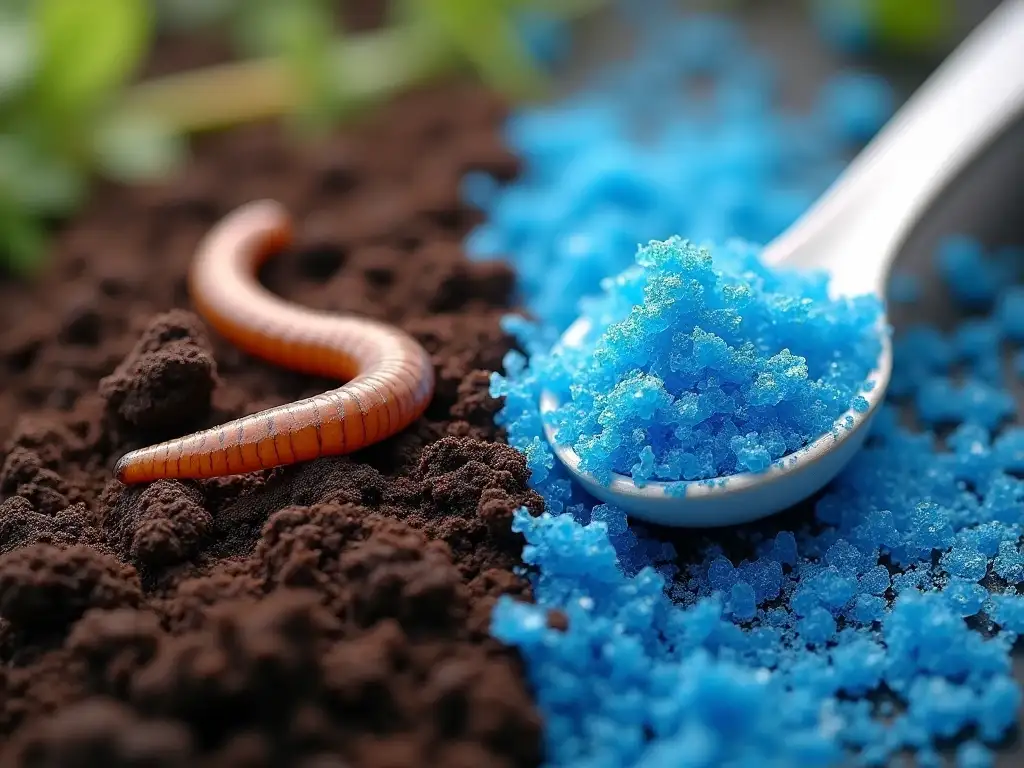
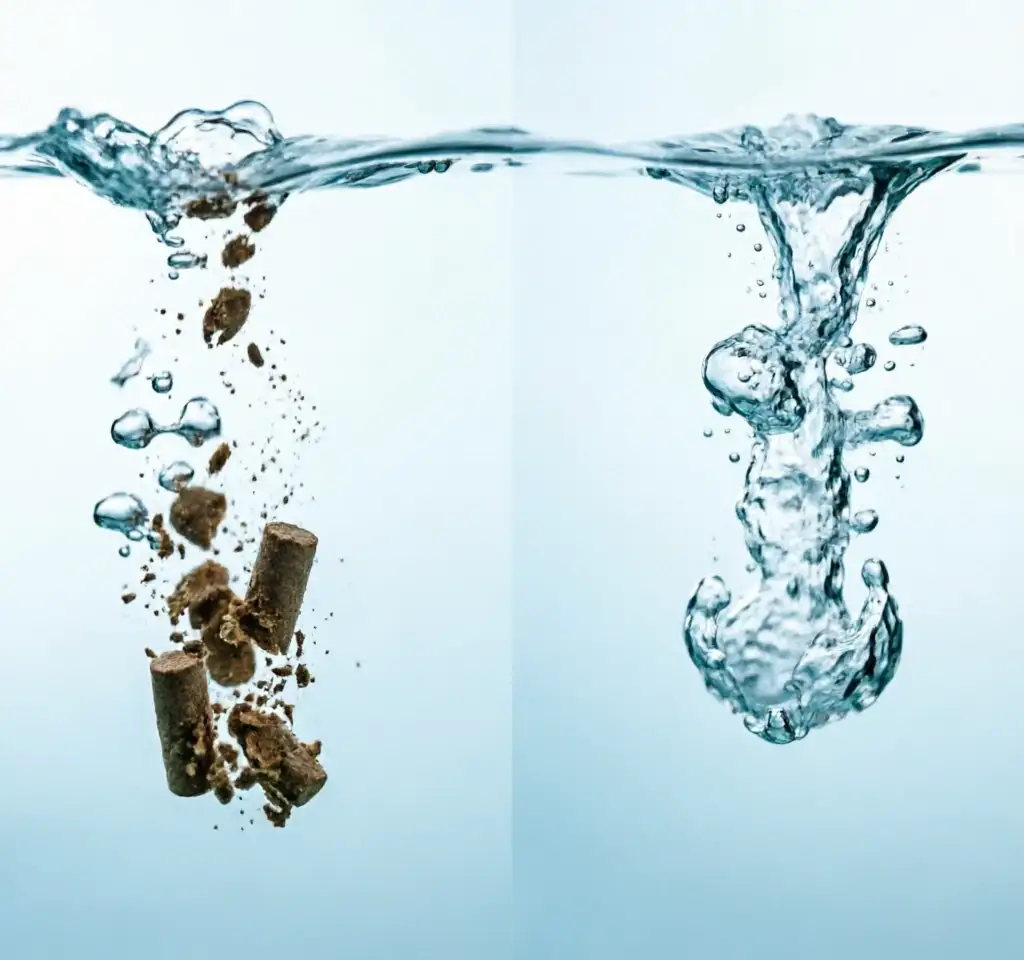
Organic fertilisers are derived strictly from natural plant, animal, or mineral sources. Common examples include blood and bone, kelp meal, composted poultry manure, worm castings, and fish emulsion. These materials contain complex, carbon-based molecules that require biological breakdown before the plant can use them.
Before your plants can absorb these organic nutrients, soil microbes, fungi, and beneficial bacteria must physically digest the organic matter. They convert it into a water-soluble form through a process called mineralization. This biological process creates a slow, steady trickle of nutrition rather than an overwhelming chemical flood.
Synthetic fertilisers are manufactured chemically, often utilizing petroleum by-products or industrial mining processes to extract and concentrate pure elemental nutrients. Common forms include ammonium nitrate, superphosphate, and potassium sulphate, which are formulated into highly concentrated liquids or water-soluble granules.
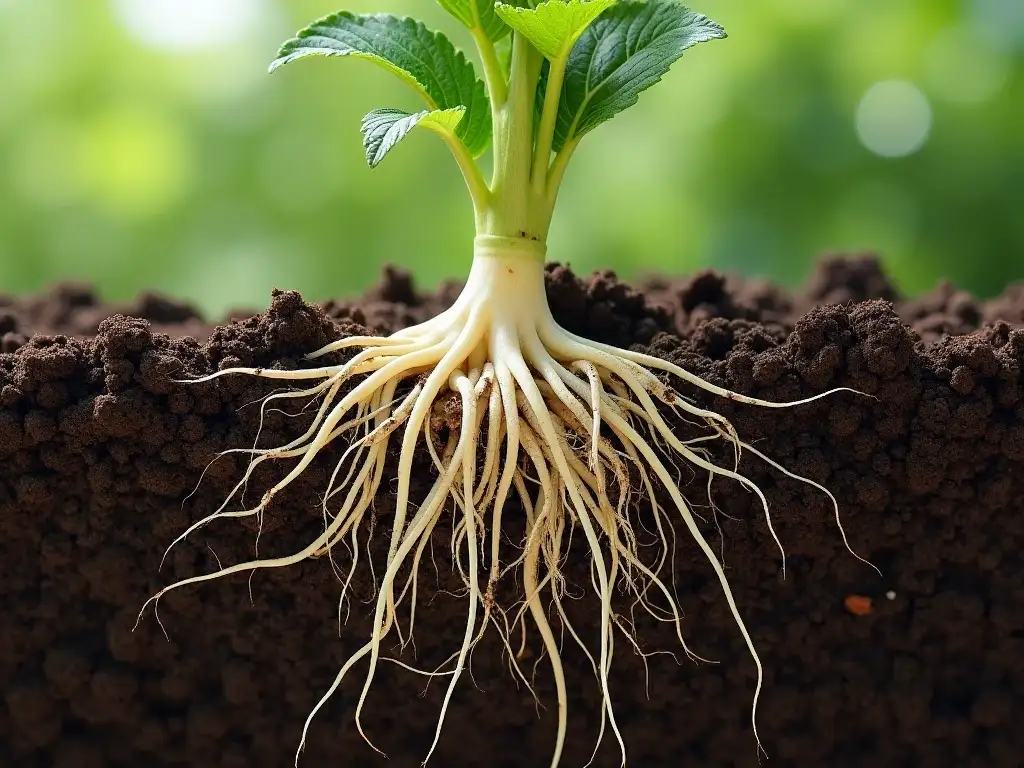
Because these nutrients are already in a refined, pure, and water-soluble state, they are immediately available for plant uptake. They bypass the soil food web entirely, delivering a direct and powerful dose of nutrition right to the root zone the moment they are watered in.
Growth Difficulty and Application Comparison
When comparing organic vs synthetic fertiliser in terms of application difficulty, synthetic options generally require much more precision and care. Because synthetics are highly concentrated chemical salts, applying even slightly too much can instantly draw water out of plant roots via reverse osmosis.
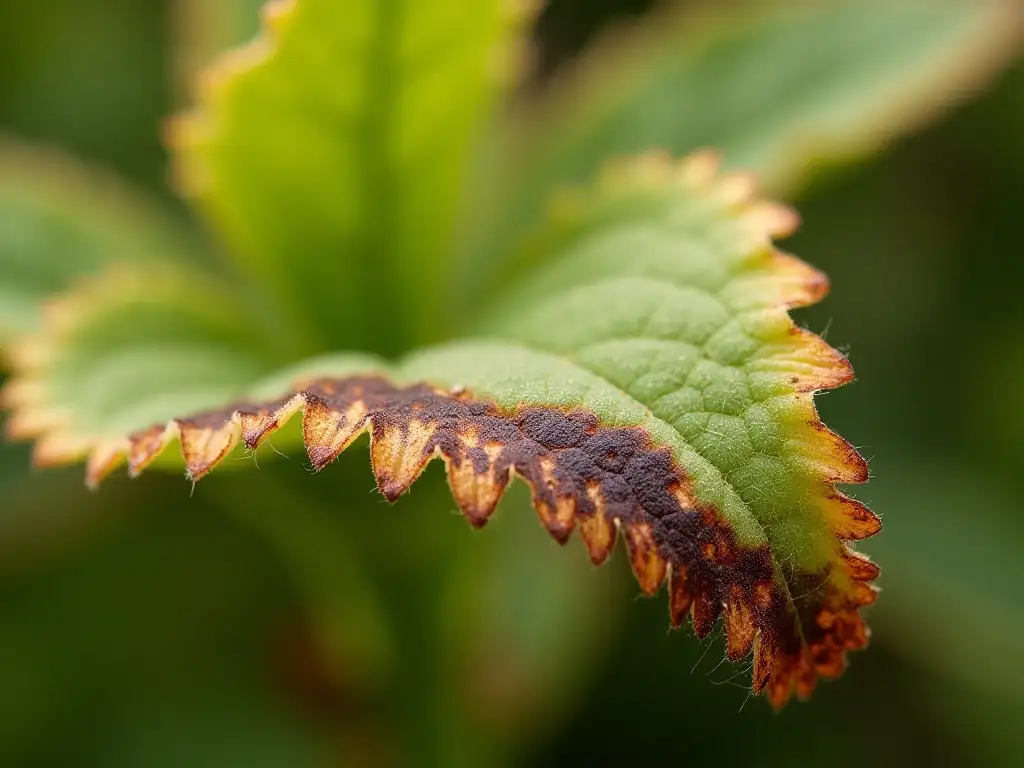
This rapid moisture loss causes “fertiliser burn,” leaving you with scorched, crispy leaves and severely stunted root growth. Synthetic feeding requires strict, unforgiving adherence to package dilution rates and careful timing to avoid damaging delicate plant tissues.
Organic fertilisers are significantly more forgiving for beginners. Because they break down slowly and naturally, the risk of burning your plants is exceptionally low, even if you accidentally over-apply. However, organics can be bulky, sometimes emit strong odours, and are generally more labor-intensive to apply evenly across large garden spaces.
Yield Comparison: Speed vs Long-Term Production
If you are looking for an explosive burst of vegetative growth, synthetic fertilisers deliver the fastest and most dramatic results. Commercial greenhouse growers often rely on them to push rapid, uniform yields in a highly controlled, tightly scheduled timeframe.
However, this rapid, chemically induced growth can sometimes result in weaker cellular walls. This makes the plant tissue softer and much more susceptible to sap-sucking pests like aphids or fungal pathogens. Synthetics give your garden a fast sprint, but they don’t necessarily support the marathon of a long, stressful growing season.
Conversely, organic fertilisers build compounding yields over time. By constantly increasing the organic matter in your soil, you naturally improve water retention, root penetration, and inherent disease resistance. A well-amended organic garden reliably produces heavier, more resilient, and more flavorful harvests year after year.
Climate Suitability: How Weather Affects Plant Food
Cool Climates
In cool or frosty regions, spring soil temperatures frequently remain below 10°C (50°F). In these chilly conditions, the soil microbes responsible for breaking down organics become sluggish or go entirely dormant.
Because organic fertilisers rely entirely on these microbes for breakdown, applying organics in early spring will not provide immediate nutrition to waking plants. In cool soils, a mild synthetic starter formulation is often necessary to get early vegetable crops moving before the soil warms up.
Temperate Climates
Temperate zones with distinct but mild, predictable seasons are the ideal playground for organic gardening. The reliable spring warming naturally wakes up the soil biology at the exact same time your plants break dormancy and begin demanding nutrients.
In these regions, applying granular organic matter in late winter allows it to break down perfectly in time for the spring growth flush. This provides a steady, reliable base of nutrition that carries the garden right through the peak of summer.
Warm and Tropical Climates
In hot, humid climates characterized by heavy, sudden rainfall, synthetic fertilisers are highly prone to rapid leaching. Torrential tropical rains can wash soluble chemical salts right past the active root zone and deep into local waterways, causing severe environmental pollution.
Organic fertilisers excel in these challenging environments. Their slow-release nature and unique ability to bind with soil aggregates mean they strongly resist washing away. This ensures your crops stay fed and your local waterways stay clean, even during the peak of the wet season.
Care Requirements Comparison Table
Feature
Organic Fertiliser
Synthetic Fertiliser
Nutrient Release Speed
Slow to medium; requires microbial breakdown.
Immediate; highly water-soluble and fast-acting.
Impact on Soil Health
Improves structure, water retention, and microbial life.
Provides no structural benefit; can deplete microbes over time.
Risk of Plant Burn
Very low; safe for delicate seedlings and roots.
High; exact dosing is critical to prevent salt burn.
Application Frequency
1-3 times per season; long-lasting residual effects.
Every 2-4 weeks; dissipates or leaches rapidly.
Environmental Impact
Sustainable, eco-friendly, and improves local ecology.
High energy to produce; risk of groundwater pollution.
Who Should Use Which Approach?
If you are growing indoor houseplants, managing a hydroponic system, or starting seeds in sterile soil, synthetic nutrients are the logical choice. They dissolve perfectly in water, won’t clog indoor irrigation systems, and provide exact, measurable nutrition without the foul smells associated with decomposing organics.
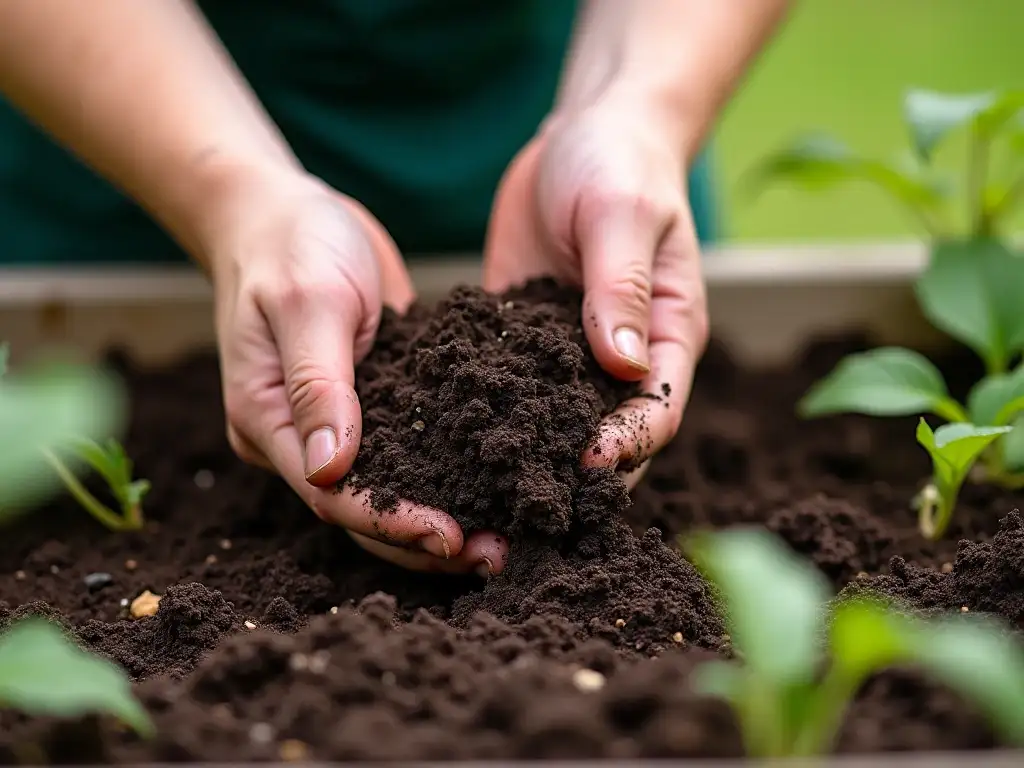
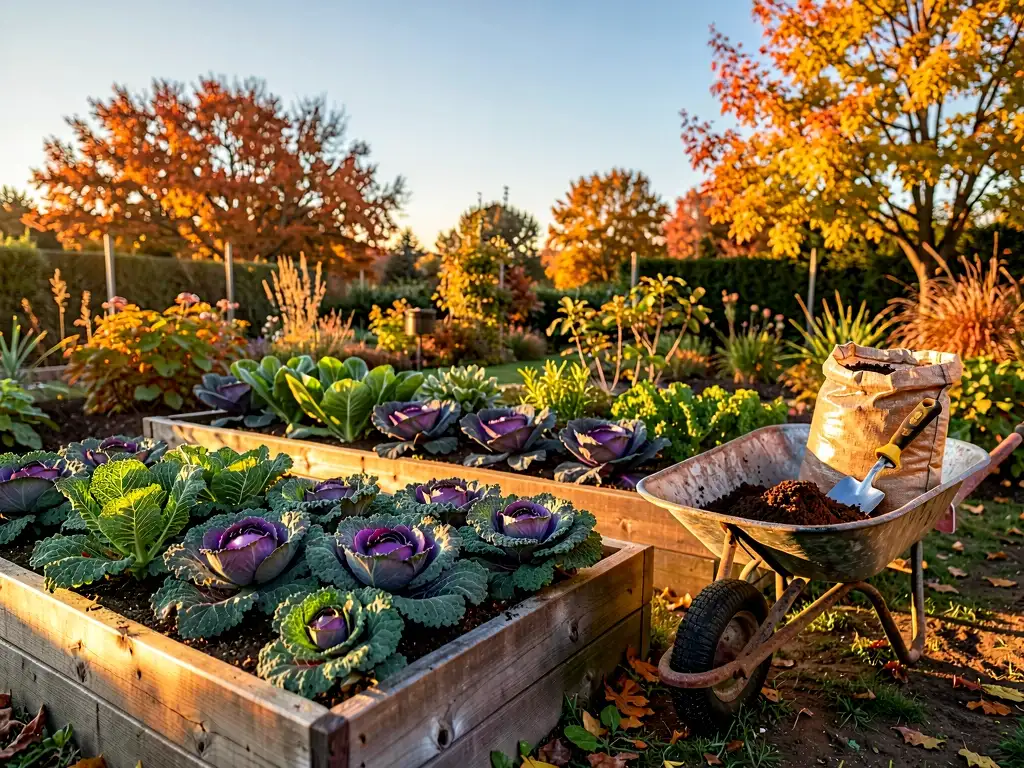
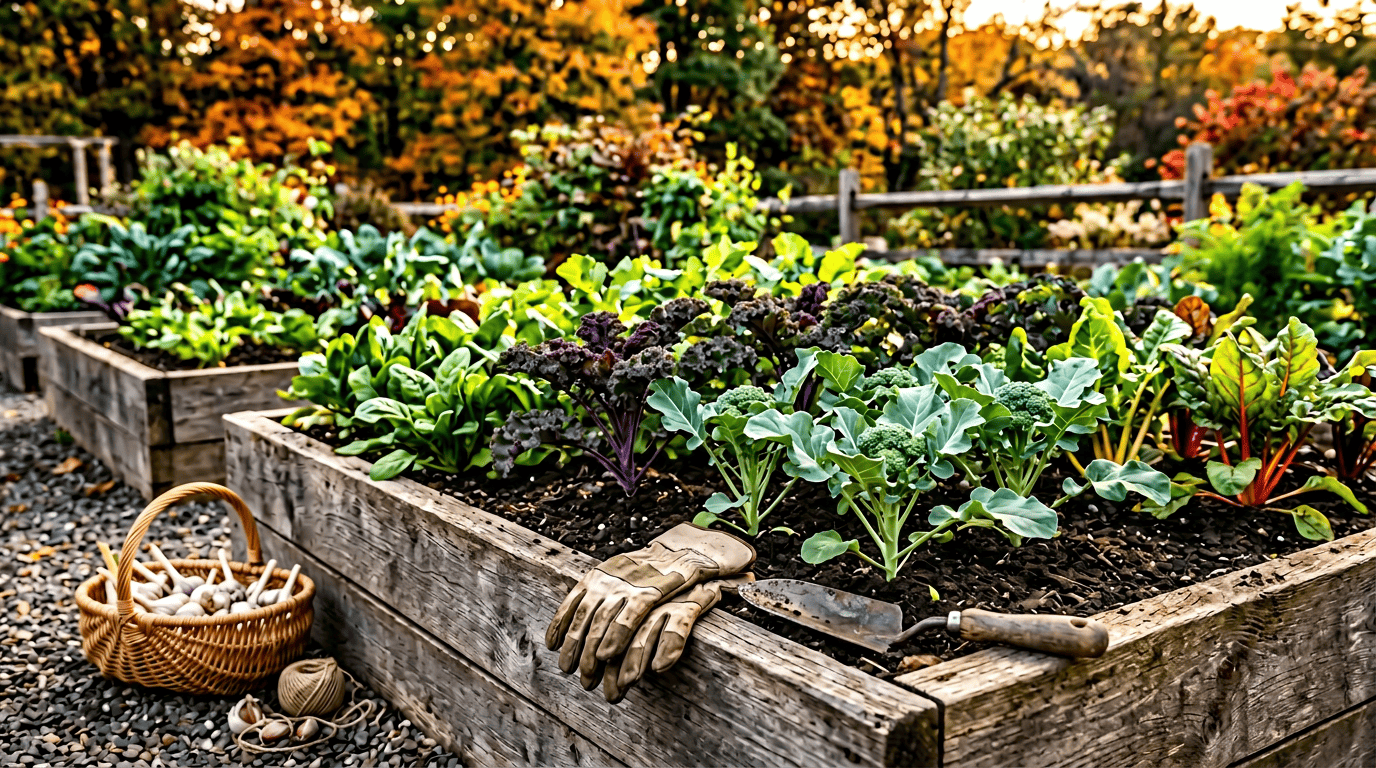
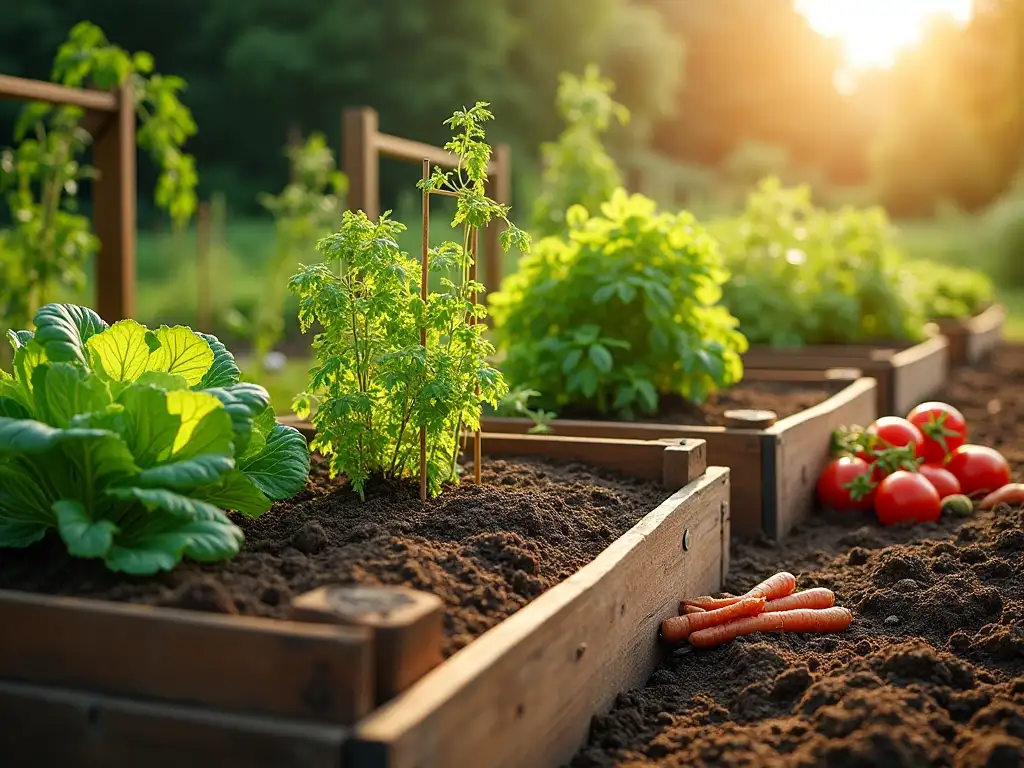
If you are cultivating vegetables in outdoor modular raised beds, managing a backyard orchard, or trying to rehabilitate poor, sandy earth, organics are your best friend. Blending high-quality soil mixes with slow-release organic inputs will drastically reduce your watering needs and build a self-sustaining ecosystem.
Proper application is just as important as the product you choose to purchase. Follow these straightforward, expert steps to ensure your plants get the maximum benefit from your chosen feeding regime without risking costly root damage.
Test your soil baseline: Before adding any inputs, understand your current nutrient levels. A simple pH and nutrient test prevents blind, wasteful feeding.
Pre-water the root zone: Never apply concentrated plant food to dry earth. Hydrate the soil thoroughly first to prevent chemical burns and aid in even nutrient distribution.
Measure with precision: For synthetic liquids, use exact measuring spoons and follow the label. For organic granular fertilisers, weigh the product rather than guessing by handfuls.
Target the drip line: Apply the nutrients around the outer perimeter of the plant’s canopy (the drip line), not piled up directly against the main stem or delicate trunk.
Water it in immediately: Right after application, water the area again to activate organic decomposition or to flush synthetic salts down safely into the active root zone.
Apply a mulch layer: Cover organic applications with a thick layer of natural mulch to maintain the consistent moisture levels required by digesting soil microbes.
Common Beginner Mistakes When Fertilising
One of the most frequent and devastating errors beginners make is adopting the “more is better” mindset. Over-applying synthetic chemicals is a guaranteed way to scorch your plants, stunt their development, and poison your soil. Always err on the side of caution and apply slightly less than the package actually recommends.
Another major mistake is relying solely on NPK numbers (Nitrogen, Phosphorus, Potassium) while completely ignoring trace minerals and soil biology. Plants desperately need micronutrients like calcium, magnesium, and iron to thrive, which are often naturally abundant in rich, organic composts but completely missing from cheap synthetics.
Finally, many gardeners fail to adjust their feeding schedules based on the plant’s current life cycle. Pushing high-nitrogen liquid feeds when a tomato plant is trying to set fruit will result in a massive, beautiful, leafy green bush that produces absolutely zero harvestable fruit.
Integrating Quality Gear and Supplies
Maximizing your garden’s potential isn’t just about the food you provide; it’s about the entire growing environment. Starting strong with premium, disease-resistant genetics ensures you have robust plants that can efficiently utilize whatever nutrition you provide them.
Furthermore, your delivery systems and environmental controls matter immensely. For indoor growers, utilizing full-spectrum grow lights ensures your plants have the energy required to metabolize the nutrients you are feeding them. Without adequate light, even the best fertiliser in the world will sit unused in the pot.
Frequently Asked Questions
Can I use organic and synthetic fertiliser together?
Yes, combining both is an excellent, professional strategy known as integrated nutrient management. You can use organic composts to build baseline soil structure and microbial health, while using targeted synthetic liquids to correct sudden deficiencies or boost flowering during peak plant demand.
How long does organic fertiliser take to work?
Depending on ambient soil temperature and baseline microbial activity, organic matter typically takes anywhere from two to six weeks to break down into plant-available forms. Heavier inputs like bone meal and rock phosphate can take much longer, often requiring several months to fully integrate.
Does synthetic fertiliser destroy soil microbes?
While synthetic chemicals don’t directly kill microbes on contact, long-term exclusive use of them without adding any organic matter will eventually starve the soil food web. The beneficial microbes simply die off from a lack of carbon-based food, leaving the soil lifeless, hard, and compacted.
Is synthetic fertiliser safe for edible crops?
Yes, synthetic options are entirely safe for food crops when used exactly according to the manufacturer’s directions. The plant absorbs the exact same elemental ions whether they come from a laboratory or composted cow manure. Just be highly mindful of washing your produce before eating.
Why are my plant leaves burning after fertilising?
Leaf scorch, commonly known as fertiliser burn, occurs when a high concentration of synthetic salts draws vital moisture out of the plant’s root system. To fix this immediately, flush the soil heavily with fresh, clean water to leach the excess chemical salts safely away from the root zone.
Conclusion
Navigating the complex organic vs synthetic fertiliser debate doesn’t have to be a source of stress or confusion for your gardening journey. Both of these options have highly legitimate, useful places in a modern horticulturist’s toolkit. By taking the time to understand exactly how they interact with soil biology, seasonal weather patterns, and specific plant growth stages, you can make deeply informed decisions that yield incredible, highly productive results.
Whether you choose to patiently feed the soil with rich, dark organics to build a legacy ecosystem, or you prefer to precision-feed your fast-growing crops with high-performance synthetics, the most important thing is to stay observant. Watch how your plants respond, adjust your methods accordingly, and enjoy the profound satisfaction of watching your garden absolutely thrive.





Leave a Reply