The Ultimate Guide to Raised Bed Gardening: Boost Your Yields and Save Your Back
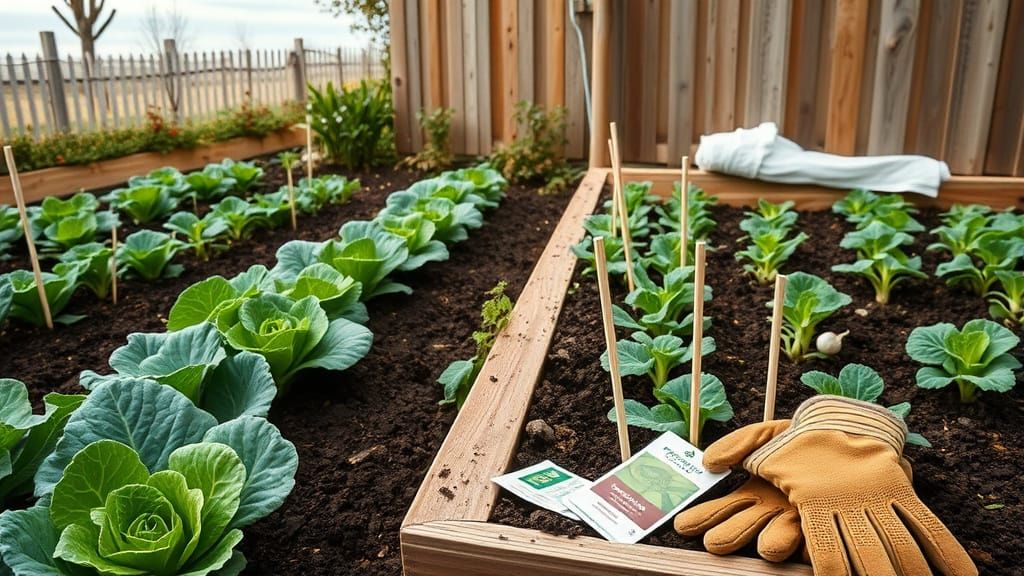
Are you tired of battling heavy clay soil, poor drainage, and an endless invasion of weeds? Welcome to the transformative world of raised bed gardening. Whether you are dealing with a compact urban courtyard, unforgiving ground soil, or simply want a more ergonomic way to grow your own food, raised bed gardening is the ultimate solution. By elevating your growing space, you gain complete control over soil quality, extend your growing season, and dramatically increase your harvests. In this comprehensive guide, we will walk you through everything you need to know to construct, fill, and maintain highly productive raised beds that will reward you with fresh homegrown produce year after year.
There are countless reasons why horticulturists and backyard growers alike champion the raised bed approach. First and foremost is soil control. If your native soil is compacted, rocky, or nutrient-poor, building up allows you to create the perfect custom growing medium from day one.
Additionally, raised beds warm up significantly faster in the spring than ground-level dirt, giving you a head start on the growing season. The elevated structure naturally improves drainage, preventing root rot during heavy rains. Finally, the physical boundaries keep pathway weeds at bay and raise the working height, saving your knees and back from excessive bending.
Setup Instructions: How to Build Your Raised Beds
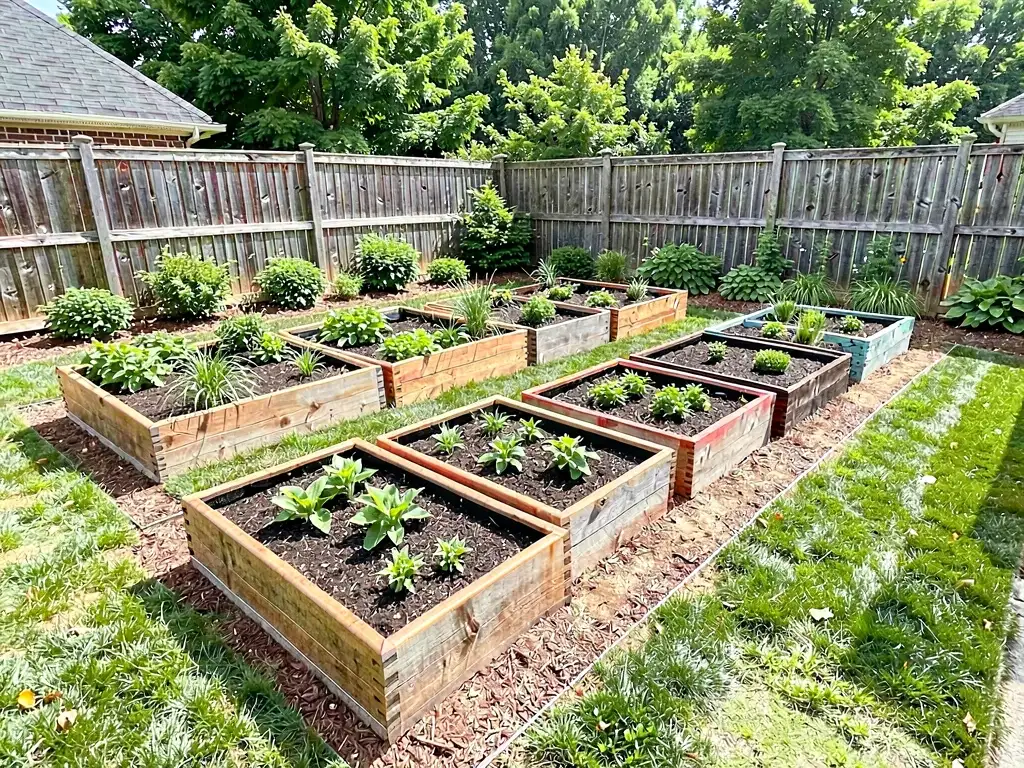
Building a raised bed is a straightforward weekend project. Follow these expert steps to get started on the right foot:
Select the Right Location: Choose a spot that receives at least 6 to 8 hours of direct sunlight daily. Ensure it is sheltered from harsh winds and close to a water source.
Determine Your Dimensions: The golden rule of raised bed gardening is never to make the bed wider than 1.2 metres (or 4 feet). This ensures you can easily reach the centre from either side without ever stepping on the soil. Aim for a depth of at least 40–50cm if you plan to grow deep-rooted crops like carrots or potatoes.
Choose Your Materials: Opt for untreated, rot-resistant timber like macrocarpa or cedar. Alternatively, modern galvanised steel or composite raised beds offer incredible durability and a sleek aesthetic.
Level the Ground: Clear the footprint of grass and weeds. Dig the ground over slightly to encourage drainage between the native soil and the imported soil.
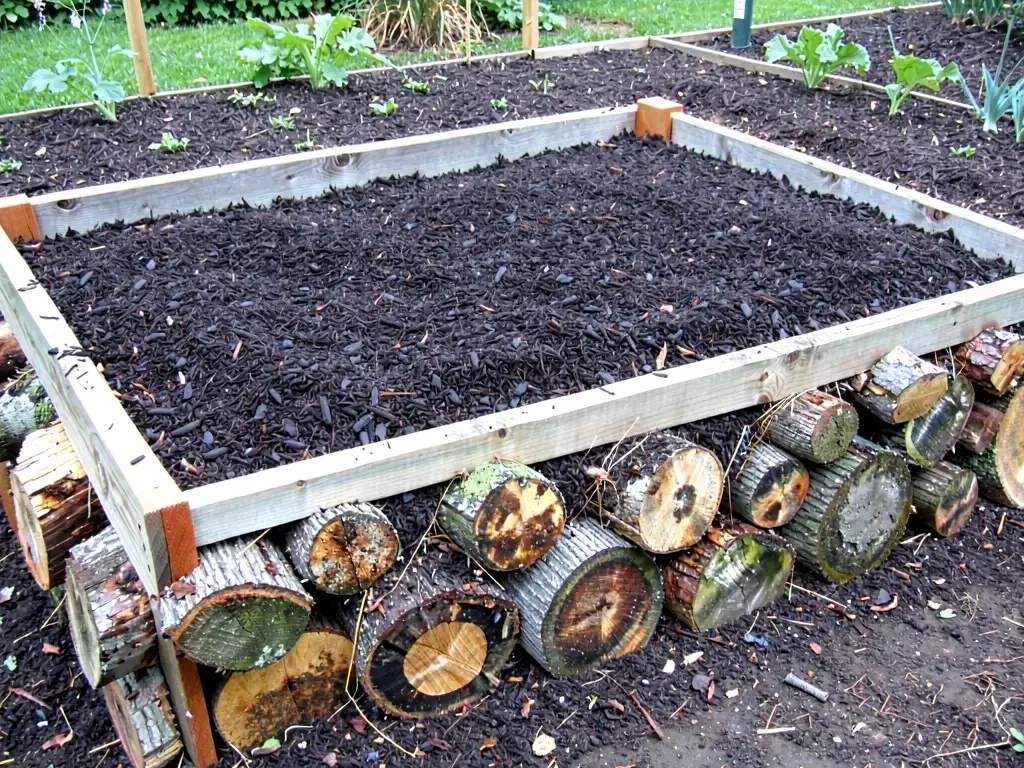
Fill Smartly: Filling deep beds exclusively with premium bagged mixes can be expensive. Use a modified Hügelkultur method: place untreated logs, branches, and organic plant waste at the bottom. Top the upper 20-30cm with a high-quality blend of organic compost, topsoil, and premium soil mixes.
Ideal Crops for Raised Beds
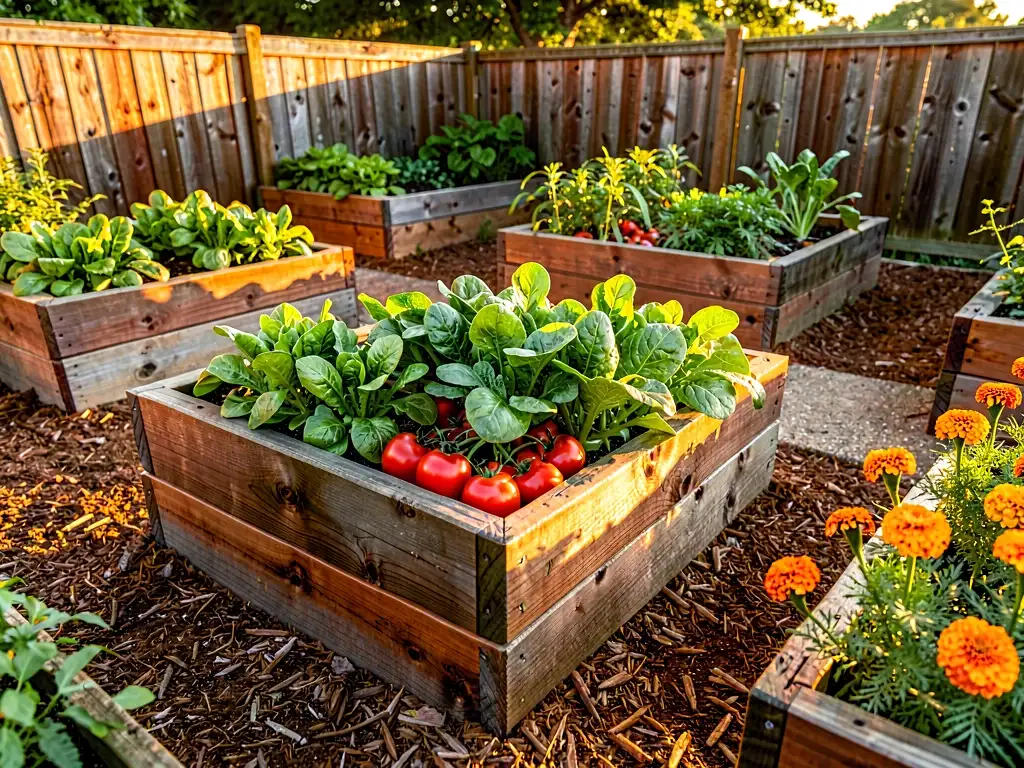
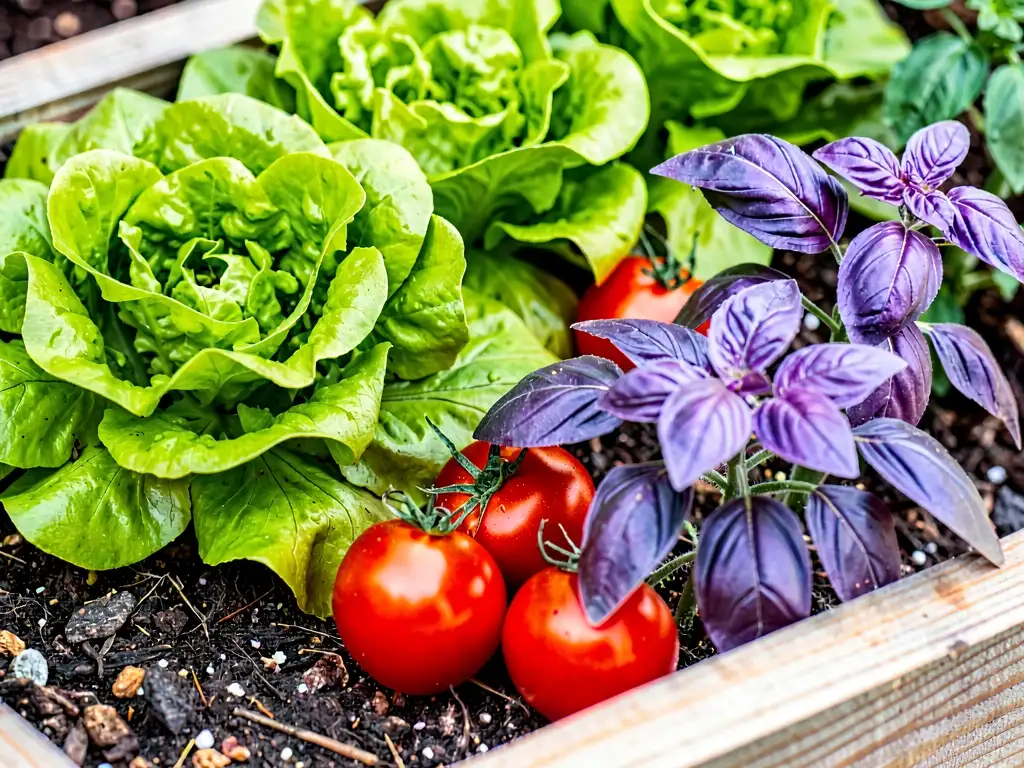
Almost any vegetable, herb, or flower will thrive in a raised bed environment, but some perform exceptionally well. Leafy greens like spinach and lettuce appreciate the loose, uncompacted soil. Heavy feeders such as tomatoes, cucumbers, and capsicums benefit from the concentrated nutrients and excellent drainage. Deep-rooted crops like carrots and parsnips grow perfectly straight when they don’t have to fight through hard clay.
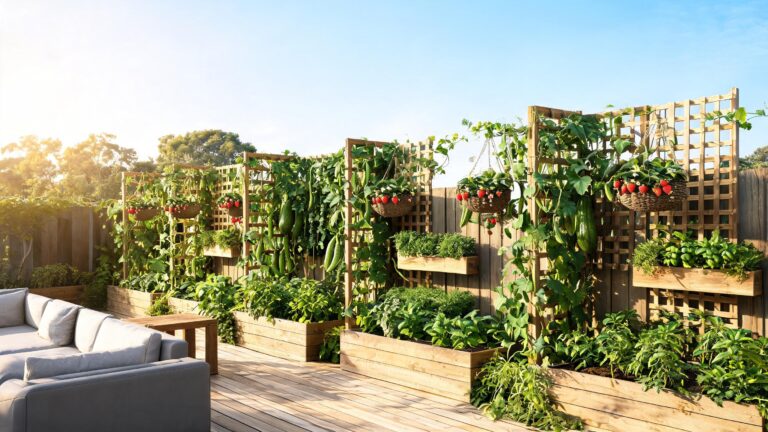
To maximize your space, start from high-quality heirloom seeds and utilize vertical trellises for vining crops at the back of the bed.
Cost Considerations
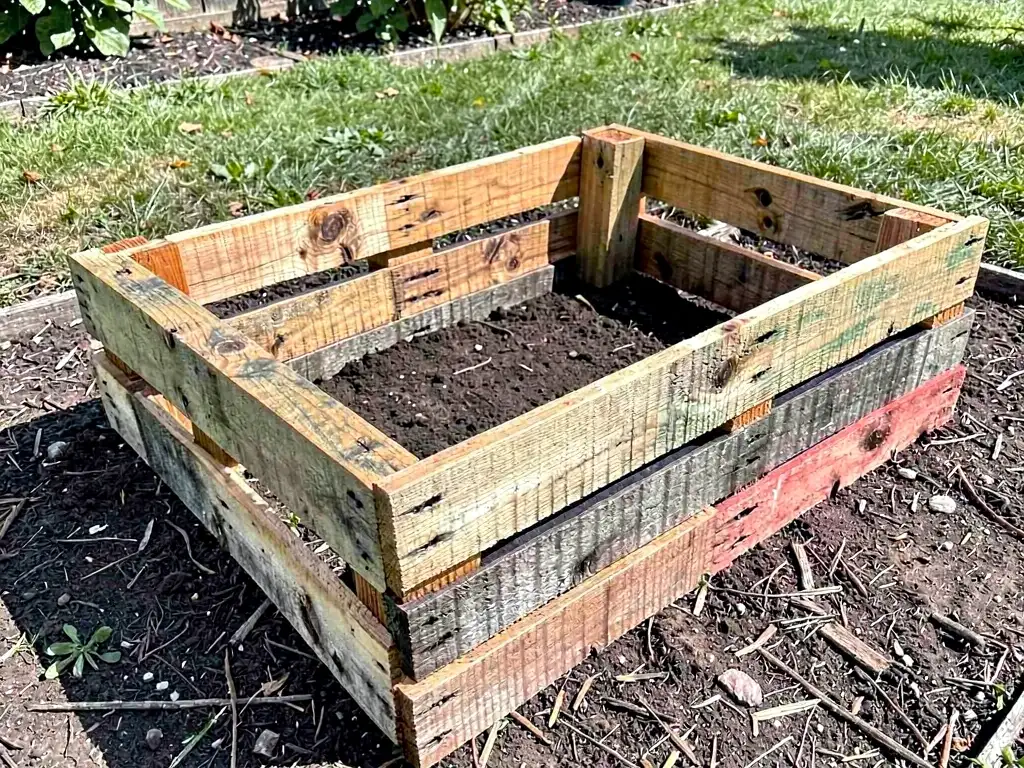
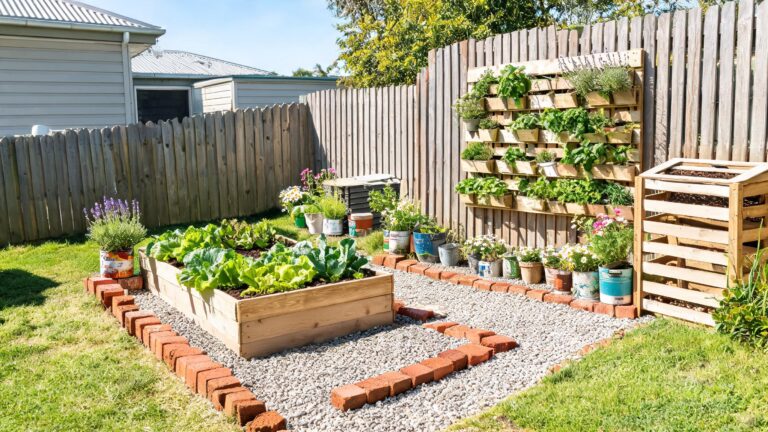
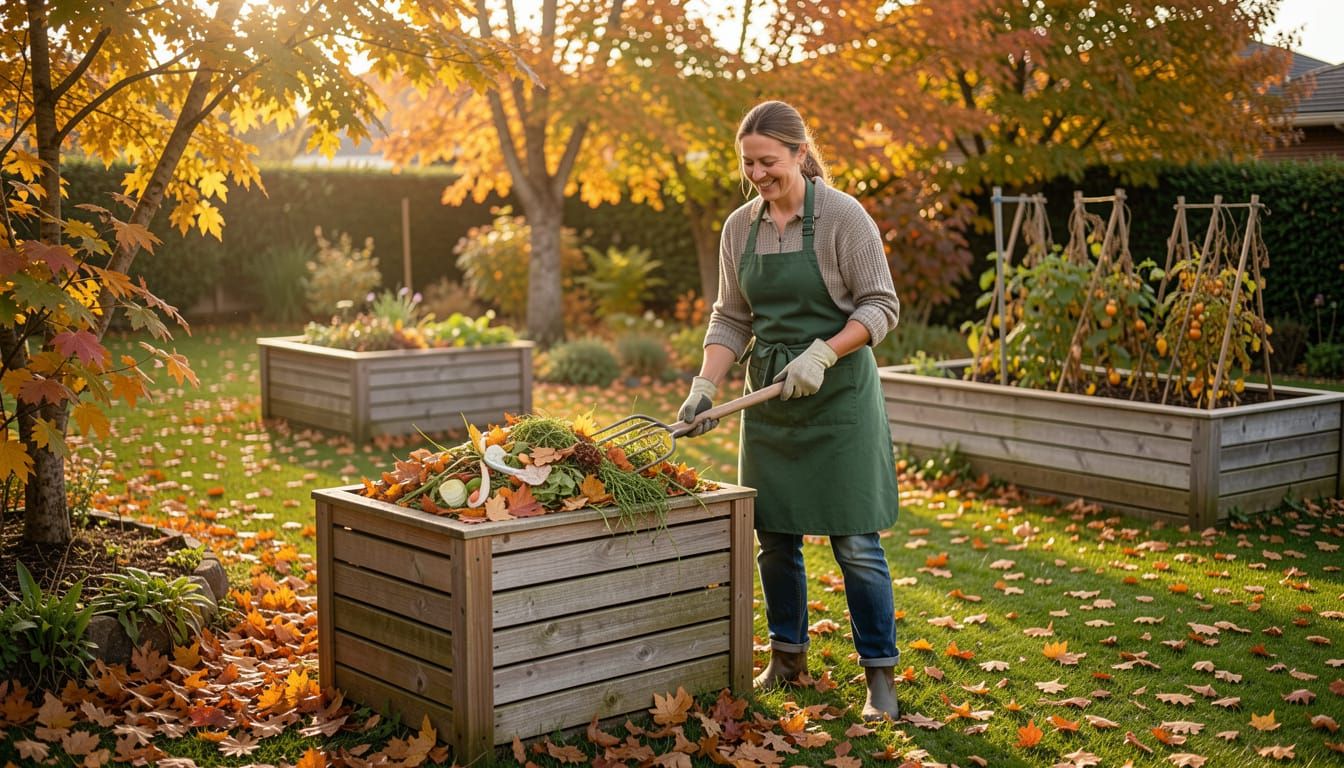
While the initial outlay for raised bed gardening can be higher than traditional row planting, the long-term return on investment is substantial. Your primary costs will be the framing materials and the initial soil fill. To keep costs down, source untreated pallet wood or upcycle materials, and utilize autumn leaves, grass clippings, and homemade compost to bulk up the lower layers of the bed. Year-over-year maintenance is highly cost-effective, typically requiring only a seasonal top-up of compost and organic fertilizers.
Pros and Cons of Raised Bed Gardening
Pros of Raised Beds
Cons of Raised Beds
Superior soil aeration and zero compaction
Higher initial setup and material costs
Warms up faster in early spring
Soil dries out faster during peak summer heat
Excellent drainage for wet, heavy-clay climates
Requires importing large volumes of soil initially
Easier access for planting and harvesting
Wooden frames eventually rot and need replacing
Clear boundaries deter weeds and pathway pests
Limited space for sprawling crops like pumpkins
Maintenance Tips
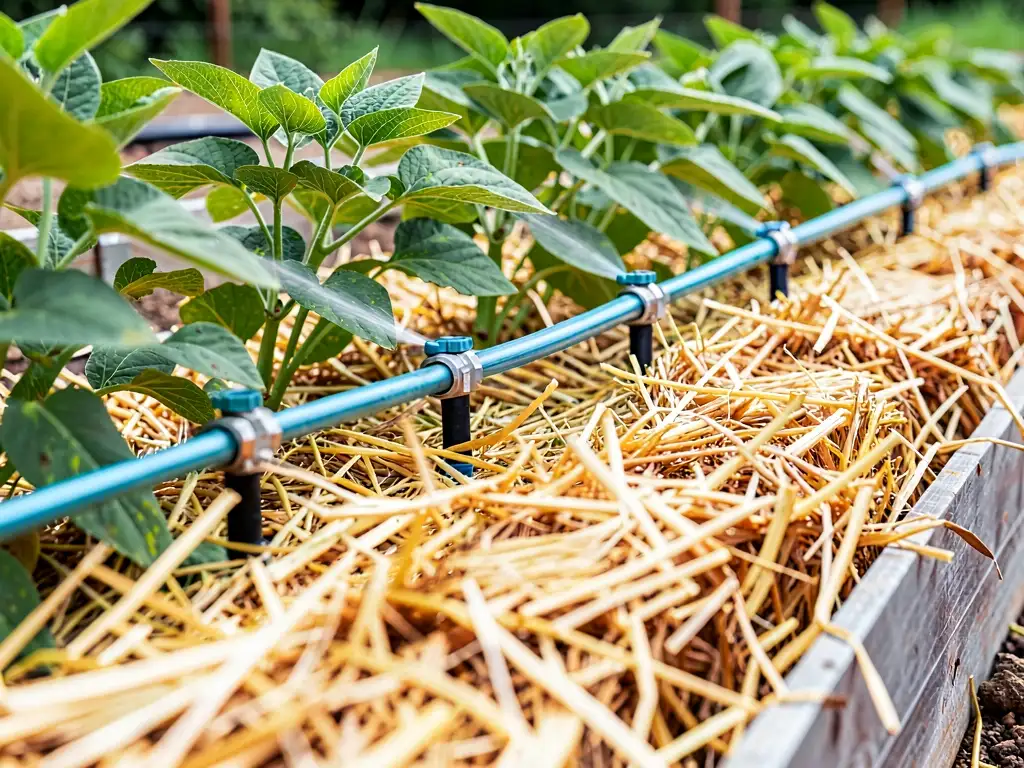
Because raised beds drain so efficiently, they require more frequent watering than in-ground gardens. Installing automated irrigation systems, such as drip lines or soaker hoses, is the most efficient way to maintain consistent moisture levels without wetting the foliage, which can lead to fungal diseases.
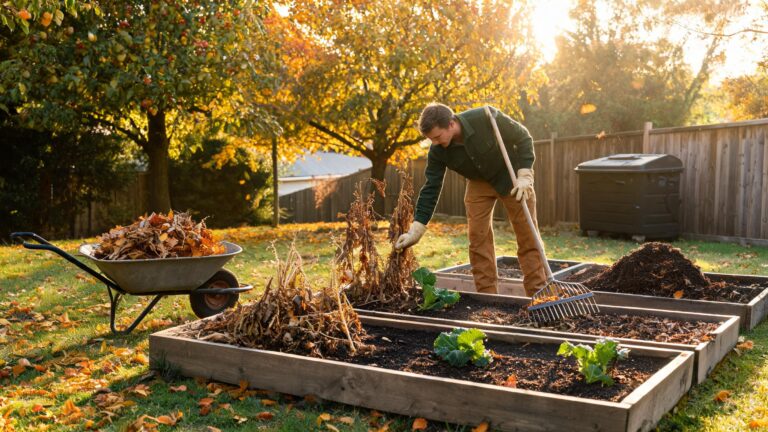
Mulching the soil surface with pea straw or wood chips is essential to lock in moisture and regulate temperature. After each harvest, replenish the soil’s vitality by digging in sheep pellets, blood and bone, or a balanced slow-release organic fertilizer.
Tailor your raised bed strategy to your specific climate zone:
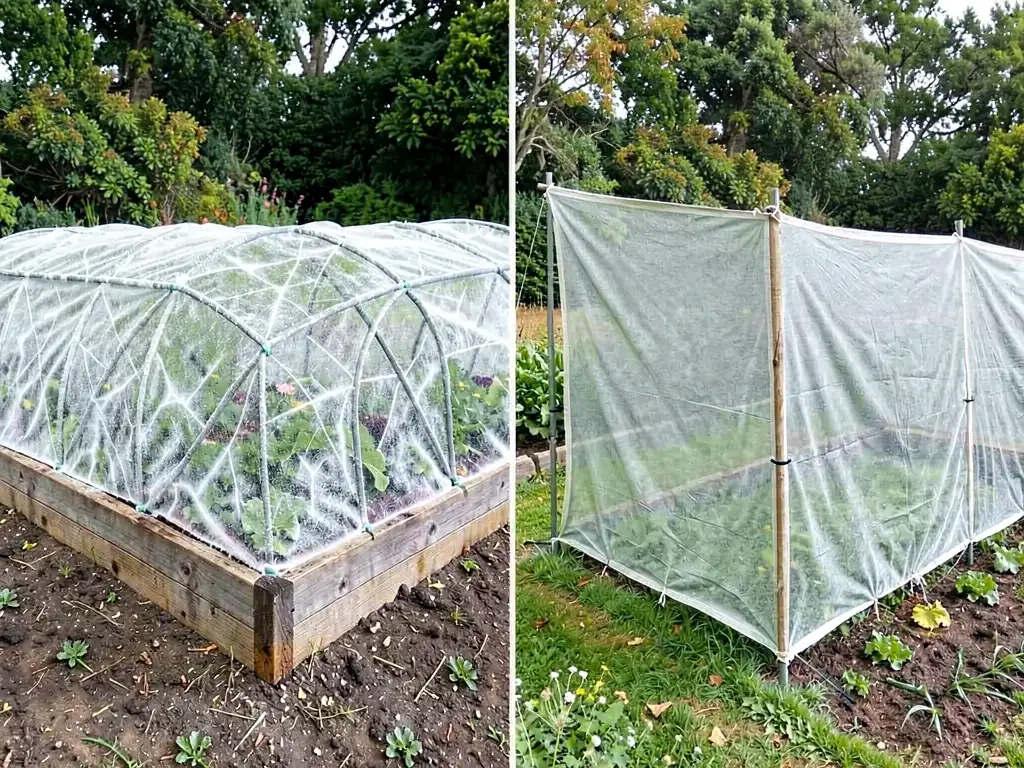
Cool Climates: The early warming of raised beds is a massive advantage. You can attach hoop frames covered in frost cloth or greenhouse plastic to create a microclimate, allowing you to sow seeds weeks earlier.
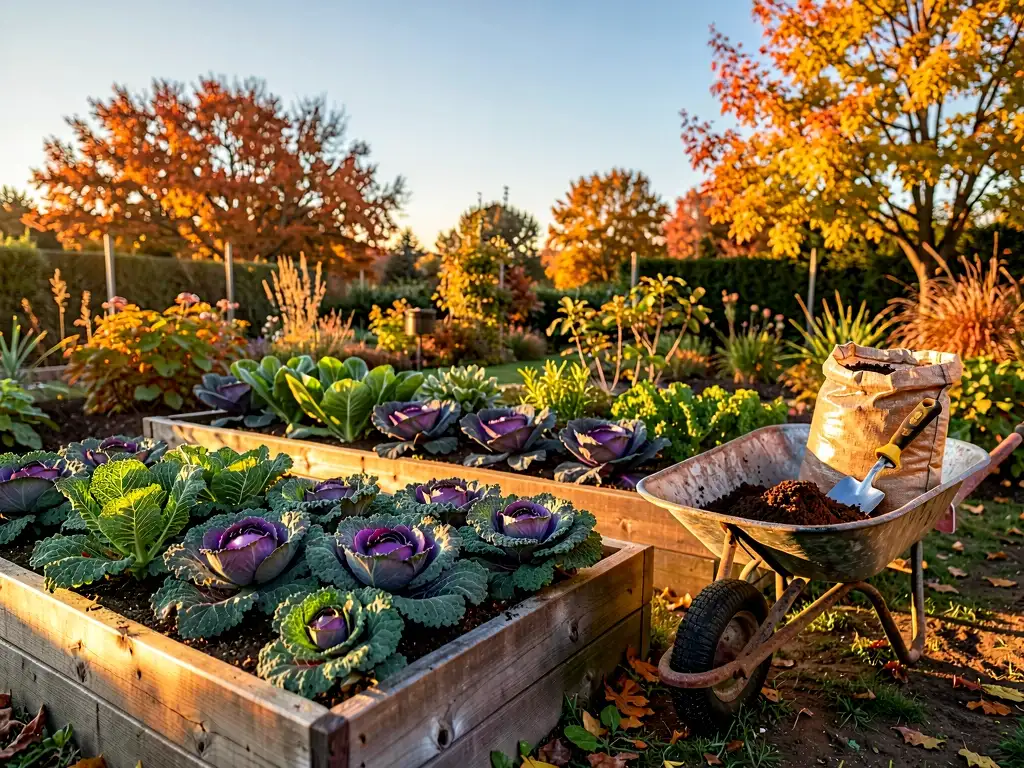
Temperate Climates: Focus on succession planting. As the seasons shift, quickly rotate crops out. The loose soil makes pulling spent plants and replanting a breeze.
Warm/Arid Climates: Heat is your biggest challenge. Because the soil is elevated, it heats up quickly. Incorporate generous amounts of compost to retain water, apply thick mulch, and consider installing shade cloth during peak summer months. If starting seeds indoors to beat the heat, use quality grow lights to establish robust seedlings before transplanting.
Beginner Mistakes to Avoid
Even though raised bed gardening is beginner-friendly, there are a few common pitfalls to sidestep. The biggest mistake is making the bed wider than 1.2 metres. If you have to step into the bed to reach the center, you defeat the purpose of having uncompacted soil.
Another error is using toxic treated timber (like CCA-treated wood) which can leach chemicals into your edible crops. Always verify your materials. Finally, underestimating the volume of soil required can leave beds half-empty; use a soil volume calculator before ordering your supplies.
Frequently Asked Questions
Do raised beds need a bottom?
No, raised beds should generally have an open bottom to allow for maximum drainage and to let earthworms and beneficial microbes migrate up from the native soil. The only exception is if you are building on a toxic site, solid concrete, or a wooden deck, in which case a protective barrier and proper drainage holes are required.
What is the best depth for a raised garden bed?
A minimum depth of 20cm is sufficient for shallow-rooted crops like lettuce and radishes. However, an ideal all-purpose depth is 40cm to 50cm. This allows plenty of room for deep-rooting vegetables like carrots, potatoes, and tomatoes to thrive without restriction.
Should I line the inside of my raised bed?
Lining the sides with heavy-duty builder’s plastic can help prolong the life of untreated wooden frames by keeping the moist soil off the timber. However, never line the bottom of the bed with plastic, as this will trap water, drown the plant roots, and create a sour, anaerobic soil environment.
How often should I water my raised garden beds?
Raised beds dry out faster than traditional gardens. In the heat of summer, they may require daily watering. Always check the top 5cm of soil; if it feels dry to the touch, it is time to water. Drip irrigation systems are highly recommended for consistent moisture.
Can I put standard topsoil in my raised bed?
Using straight topsoil from your yard is not recommended, as it will compact quickly and lacks the necessary drainage for a confined space. Always blend topsoil with generous amounts of organic compost, well-rotted manure, and aeration materials like pumice or perlite.
Conclusion
Embracing raised bed gardening is one of the smartest decisions you can make for your backyard food production. By setting up properly dimensioned beds, investing in high-quality soil structure, and practicing consistent maintenance, you will overcome poor native ground conditions and enjoy abundant, healthy harvests. Elevate your gardening game today, and let the raised bed gardening method transform the way you grow!
We use cookies to improve your experience, analyze traffic, and display personalized ads.
By clicking "Accept", you consent to the use of cookies in accordance with our Privacy Policy.